

Operation Process and Working Principle of Calcium Oxide Material Pneumatic Conveying Line
Calcium oxide, commonly known as quicklime, is a critical industrial material used in various applications such as steel production, chemical synthesis, and environmental remediation. The efficient and reliable transport of calcium oxide from storage to processing units is essential for maintaining production efficiency and safety. This article provides an in-depth overview of the operation process and working principle of a pneumatic conveying line specifically designed for calcium oxide material handling, presented by Shandong HeadPowder Engineering Co., Ltd., a renowned company in the field of material handling solutions.
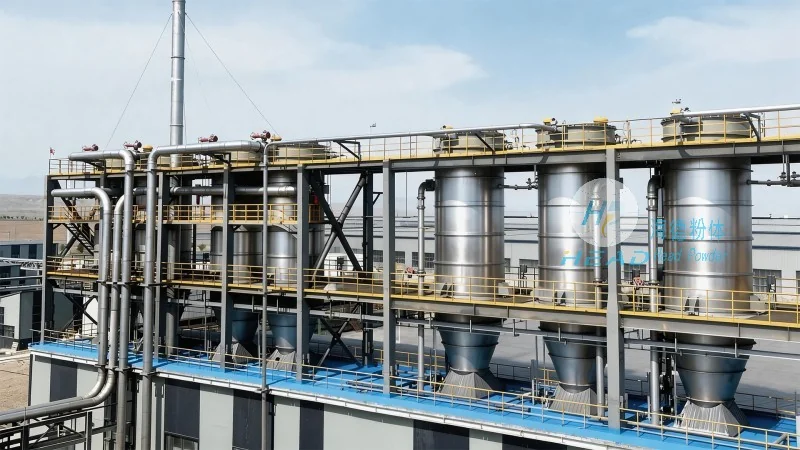
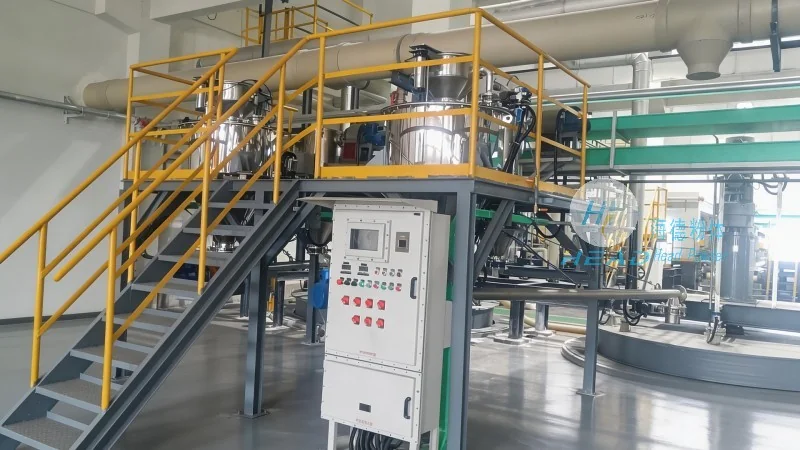
HeadPowder, with its headquarters in Shandong, China, is a leading engineering firm specializing in the design, manufacturing, and installation of advanced material handling systems. The company's expertise lies in developing customized pneumatic conveying solutions tailored to the unique properties of various industrial powders, including calcium oxide. By leveraging years of experience and cutting-edge technology, HeadPowder ensures that its systems meet the highest standards of performance, safety, and durability.
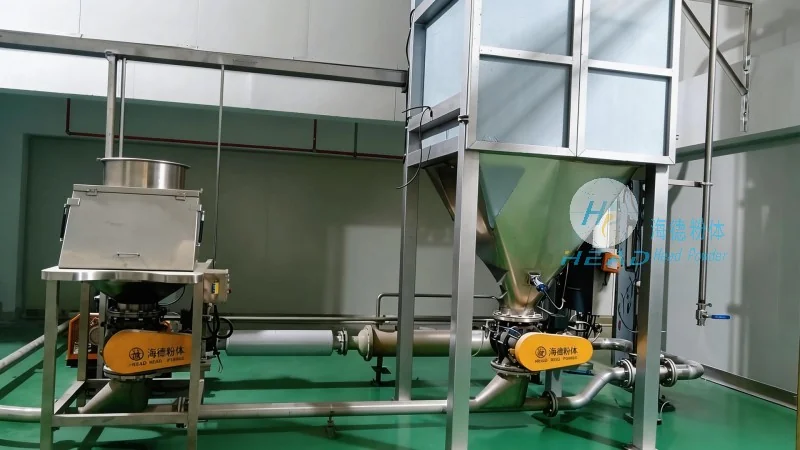
Working Principle of Pneumatic Conveying for Calcium Oxide
The pneumatic conveying system for calcium oxide operates on the principle of transporting bulk material through a pipeline using a stream of air or other gas. In this system, calcium oxide is fed into a hopper or feeder, where it is then introduced into the conveying line. A fan or blower generates the necessary airflow, which creates a pressure differential that propels the material forward. The system typically uses positive pressure or negative pressure (or a combination of both) to move the material, depending on the specific application and material characteristics. For calcium oxide, which is a fine powder with low bulk density, positive pressure conveying is often preferred as it provides better control over the material flow and reduces the risk of blockages.
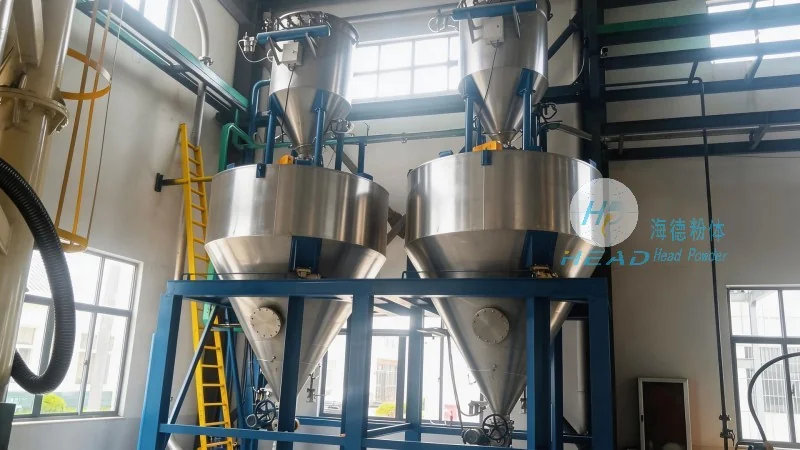
Key components of the system include the material feeder, which ensures a consistent and controlled feed rate; the conveying line, which is made of materials resistant to the corrosive nature of calcium oxide and its reaction products; and the air handling unit, which regulates the pressure and flow of the conveying gas. The system may also incorporate features such as cyclones or filters to separate the material from the air stream, ensuring that the material is delivered to the destination without contamination. Additionally, the system is equipped with safety features such as pressure relief valves and overfill protection to prevent accidents and ensure safe operation.