

Operation Process and Working Principle of a Gypsum Alum Material Pneumatic Conveying Line
HeadPowder, a leading manufacturer in the field of material handling equipment, specializes in the design, production, and installation of pneumatic conveying systems for various industrial applications. This article provides a detailed overview of the operation process and working principle of a gypsum alum material pneumatic conveying line, highlighting the key components, operational steps, and technical aspects that ensure efficient and reliable material transport.
Introduction to Gypsum Alum Material Pneumatic Conveying
Gypsum alum, also known as aluminum sulfate, is a widely used industrial chemical in water treatment, paper manufacturing, and other processes. The efficient transportation of this material from storage to processing units is crucial for maintaining production efficiency and minimizing downtime. Pneumatic conveying systems offer a cost-effective and flexible solution for handling bulk materials like gypsum alum, eliminating the need for traditional mechanical conveyors and reducing maintenance costs.
Key Components of the Gypsum Alum Pneumatic Conveying System
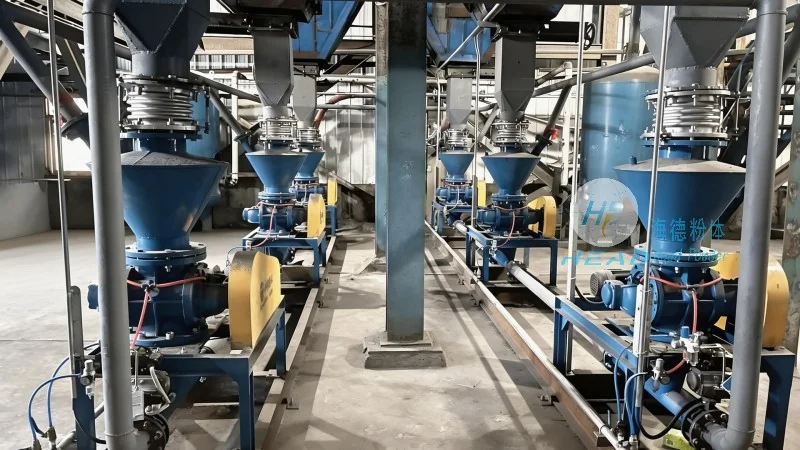
The gypsum alum pneumatic conveying line consists of several critical components that work in tandem to achieve seamless material transport. These components include the hopper, feeder, air compressor, conveying pipeline, dust collector, and control system. Each component plays a vital role in the overall operation of the system.
The hopper is the initial storage unit where gypsum alum is loaded. It is designed with a sloped bottom to facilitate the material's flow into the feeder. The feeder, typically a rotary valve or a screw feeder, regulates the flow rate of the material into the conveying pipeline. The air compressor generates the necessary air pressure to move the material through the pipeline. The conveying pipeline, usually made of stainless steel or PVC, is equipped with bends and valves to direct the material to the desired destination. The dust collector is essential for capturing any airborne particles, ensuring a clean and safe working environment. The control system monitors and controls the entire process, adjusting parameters such as air pressure and material flow rate as needed.
Operation Process of the Gypsum Alum Pneumatic Conveying Line
The operation of the gypsum alum pneumatic conveying line involves several sequential steps that ensure the smooth and continuous transport of the material. The process begins with the loading of gypsum alum into the hopper. The feeder then starts to discharge the material into the conveying pipeline at a controlled rate. Simultaneously, the air compressor supplies compressed air into the pipeline, creating a pressure differential that propels the material forward. As the material travels through the pipeline, it is mixed with the air, forming a dense phase or dilute phase flow, depending on the system design. The material reaches the destination point, such as a processing unit or storage silo, where it is discharged and collected.
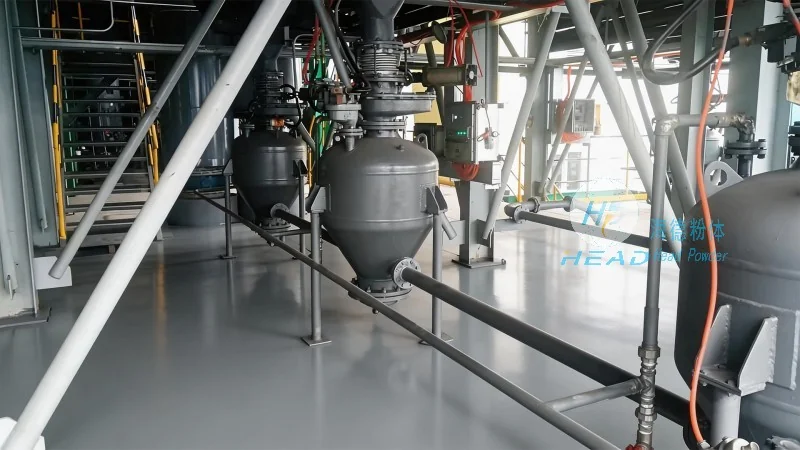
During the operation, the control system continuously monitors the pressure, flow rate, and temperature of the system. It adjusts the air compressor's output and the feeder's speed to maintain optimal conditions. The dust collector operates in parallel, capturing any fine particles that may escape from the pipeline, preventing contamination and ensuring compliance with environmental regulations.
Working Principle of the Gypsum Alum Pneumatic Conveying System
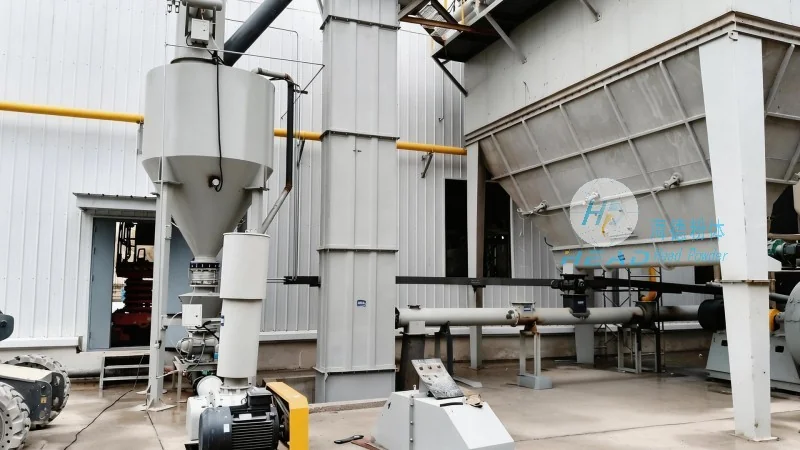
The working principle of the gypsum alum pneumatic conveying system is based on the principle of fluidization and air movement. When compressed air is introduced into the conveying pipeline, it creates a low-pressure zone that draws the material from the hopper into the pipeline. The air and material mixture moves through the pipeline due to the pressure difference between the inlet and outlet. The system can operate in either positive pressure or negative pressure mode, depending on the application requirements. Positive pressure systems are commonly used for long-distance or high-rise applications, while negative pressure systems are suitable for short-distance or low-level transport.
In the case of a gypsum alum material, the system is typically designed as a positive pressure system to ensure efficient transport over longer distances. The material is suspended in the air stream and transported through the pipeline. The velocity of the air stream is carefully controlled to prevent material degradation or blockage. The system's design considers factors such as material properties, particle size, and moisture content to optimize the conveying efficiency.
Advantages of Using a Gypsum Alum Pneumatic Conveying Line
Implementing a pneumatic conveying system for gypsum alum offers several advantages over traditional methods. Firstly, it eliminates the need for mechanical components like belts or chains, reducing maintenance and repair costs. Secondly, the system is highly flexible, allowing for easy reconfiguration or expansion as production needs change. Thirdly, it provides a clean and dust-free environment, which is essential for maintaining product quality and meeting environmental standards. Additionally, the system can handle a wide range of material flow rates, from low to high, making it suitable for various industrial applications.
Another significant advantage is the ability to transport gypsum alum in a closed system, preventing contamination from external sources and minimizing dust emissions. This not only improves workplace safety but also reduces the risk of material loss or degradation. The system's compact design also saves space in industrial facilities, making it an ideal solution for plants with limited floor space.
Application Examples and Case Studies
HeadPowder has successfully implemented gypsum alum pneumatic conveying lines in various industrial settings. For instance, in a water treatment plant, the system efficiently transports gypsum alum from storage silos to the treatment tanks, ensuring consistent dosing and improving overall plant performance. In a paper manufacturing facility, the system delivers the material to the paper machine's processing units, maintaining a steady supply of aluminum sulfate for the production process. These case studies demonstrate the reliability and effectiveness of the pneumatic conveying system in handling gypsum alum under different operational conditions.
Customers have reported significant improvements in production efficiency and cost savings after adopting the HeadPowder pneumatic conveying system. The reduced downtime due to fewer mechanical failures and the lower maintenance costs have contributed to improved overall operational performance. The system's ability to handle varying material flow rates and its flexibility in adapting to different plant layouts have made it a preferred choice for many industrial clients.