

Operation Process and Working Principle of Polyethylene Material Pneumatic Conveying Lines
Comprehending the operation process and working principle of polyethylene material pneumatic conveying lines is essential for enhancing material handling efficiency in industrial settings. This article offers a detailed exploration of how these systems function, highlighting the core components, operational steps, and technical aspects that contribute to their effectiveness.
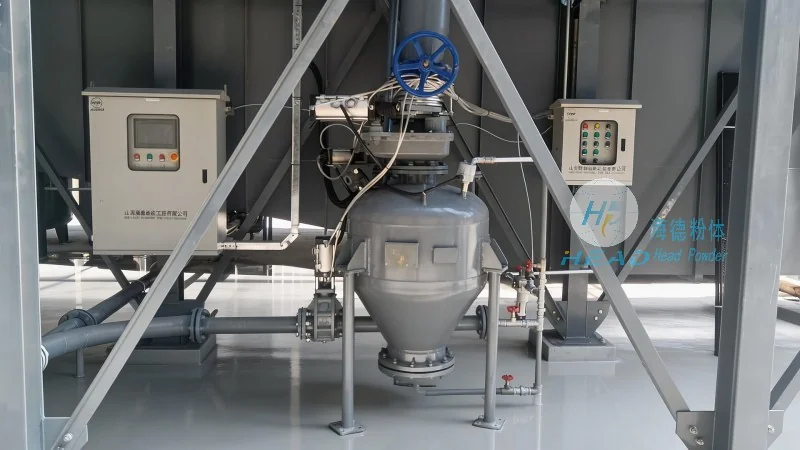
Introduction to Polyethylene Material Pneumatic Conveying Systems
Polyethylene, a prevalent thermoplastic polymer, often requires specialized handling due to its granular or powdery form. Pneumatic conveying lines provide a non-contact, efficient method for transporting polyethylene materials over short to medium distances. These systems are engineered to minimize material degradation while ensuring consistent flow rates, making them well-suited for applications in plastics manufacturing, packaging, and processing industries.
Key Components of Pneumatic Conveying Lines
The fundamental components of a polyethylene material pneumatic conveying line include the hopper, feeder, air compressor, conveying pipe, and receiver. Each component serves a critical role in the overall operation. The hopper stores the polyethylene material and feeds it into the system. The feeder regulates the flow rate, ensuring a steady supply to the conveying line. The air compressor generates the necessary air pressure to move the material through the pipes. The conveying pipe, typically constructed from durable materials like stainless steel or plastic, transports the polyethylene particles. Finally, the receiver collects the material at the destination point.
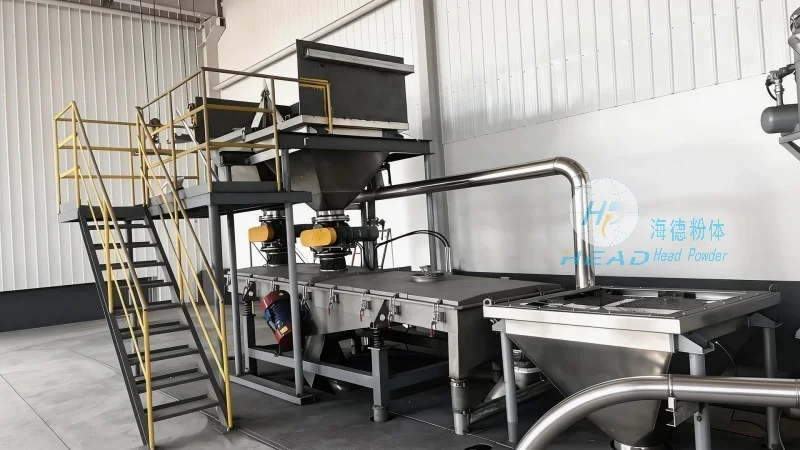
Working Principle of Pneumatic Conveying
The working principle of polyethylene material pneumatic conveying relies on the creation of a pressure differential. In a positive pressure system, the air compressor pushes air into the conveying pipe, creating a high-pressure environment that propels the polyethylene particles forward. The particles are suspended in the air stream, allowing them to travel through the pipe without direct contact with the interior surfaces. This method is particularly effective for polyethylene due to its low density and ability to be easily entrained by the air flow.
Operation Process: Step-by-Step Overview
The operation process of a polyethylene material pneumatic conveying line involves sequential steps. First, the polyethylene material is loaded into the hopper. The feeder then starts, controlling the discharge rate to match the system's capacity. Simultaneously, the air compressor activates, generating the required air pressure. As the air flows through the conveying pipe, it entrains the polyethylene particles, forming a dense phase flow. The material travels from the hopper to the receiver, where it is deposited. The system continues to operate until the material in the hopper is depleted or the flow rate is adjusted.
Factors Affecting Performance and Efficiency
Several factors influence the performance and efficiency of polyethylene material pneumatic conveying lines. The air velocity and pressure must be optimized to prevent material degradation or blockages. The size and shape of the polyethylene particles affect the conveying capacity and system design. Additionally, the length and diameter of the conveying pipe impact the energy consumption and overall system efficiency. Proper maintenance of components, such as the air compressor and feeder, is essential to ensure consistent operation and prevent downtime.
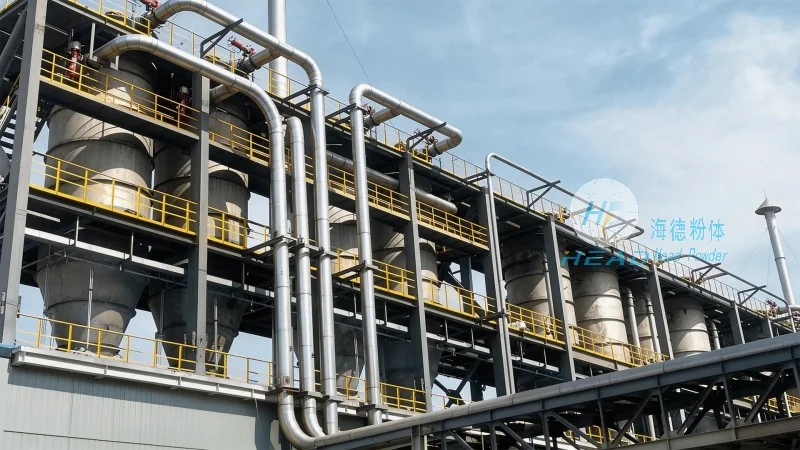
Applications and Benefits in Industrial Settings
Polyethylene material pneumatic conveying lines are widely utilized in various industrial applications, including plastic extrusion, film production, and packaging. The benefits of these systems include reduced labor costs, improved material handling safety, and enhanced process control. By eliminating the need for manual handling, the systems minimize the risk of contamination and product damage. Furthermore, the non-contact nature of pneumatic conveying preserves the quality of polyethylene materials, ensuring consistent output in downstream processes.
Conclusion and Company Overview
In conclusion, the operation process and working principle of polyethylene material pneumatic conveying lines are integral to modern industrial material handling. By understanding the key components, operational steps, and performance factors, industries can optimize their systems for efficiency and reliability. Shandong HeadPowder Engineering Co., Ltd., a leading provider in this field, specializes in designing and manufacturing high-quality pneumatic conveying solutions tailored to the specific needs of polyethylene material handling. With a focus on innovation and customer satisfaction, the company ensures that its systems meet the highest standards of performance and durability, supporting the success of industrial operations worldwide.