

Operation Process and Working Principle of a Polyethylene Granule Pneumatic Conveying Line
For industrial applications involving the transport of polyethylene granules, a pneumatic conveying line offers an efficient and reliable solution. This system is designed to move bulk materials like polyethylene pellets through a pipeline using compressed air or other gas streams. Understanding the operation process and working principle of such a line is crucial for optimizing performance and ensuring smooth material handling in manufacturing environments.
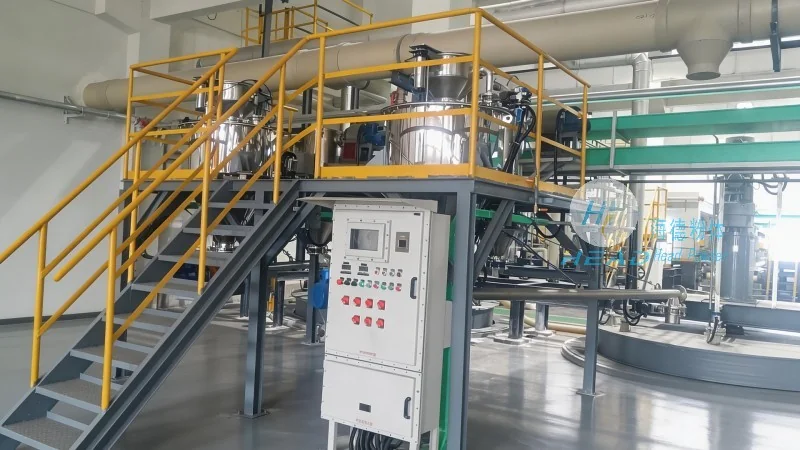
Overview of the Pneumatic Conveying System
A typical polyethylene granule pneumatic conveying line consists of several key components, including a hopper for material storage, a feeder to control the flow rate, a conveying pipeline, and a receiver or discharge unit. The system operates by introducing compressed air into the pipeline, creating a pressure differential that propels the polyethylene granules forward. This method eliminates the need for mechanical components like belts or buckets, reducing maintenance requirements and minimizing product contamination.
Step-by-Step Operation Process
The operation of a polyethylene granule pneumatic conveying line can be broken down into several sequential steps. First, the polyethylene granules are fed from the storage hopper into the feeder unit. The feeder regulates the flow rate to ensure a consistent and controlled discharge of material into the conveying pipeline. Next, compressed air is introduced into the pipeline, typically at a pressure of 4 to 10 bar, depending on the system design and material characteristics. The air flow creates a low-pressure zone in the pipeline, which draws the polyethylene granules into the stream and propels them toward the discharge point. As the granules travel through the pipeline, they may encounter various components such as bends, filters, or cyclones to maintain system efficiency and prevent blockages. Finally, the polyethylene granules are discharged into the receiver or processing unit, where they are collected for further use in manufacturing processes.
Working Principle of the Pneumatic Conveying Line
The core working principle of a polyethylene granule pneumatic conveying line is based on the principle of fluidization and pneumatic transport. Compressed air acts as the driving force, creating a gas-solid mixture that moves the polyethylene granules through the pipeline. The velocity of the air stream must be sufficient to overcome the gravitational force and frictional resistance of the granules, ensuring they remain suspended and transported efficiently. The system's design, including pipeline diameter, length, and the type of air flow (e.g., positive or negative pressure), directly impacts the conveying capacity and efficiency. Properly designed components, such as the feeder and hopper, help maintain a stable flow of material, preventing issues like clogging or uneven discharge. The receiver unit is equipped with filters or cyclones to separate the polyethylene granules from the air stream, allowing for clean material collection and air recycling or discharge.
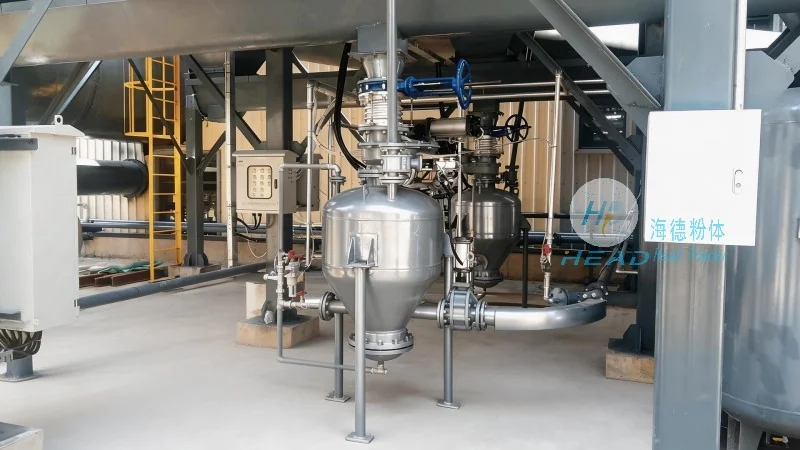
Key Components and Their Functions
Several critical components contribute to the effective operation of a polyethylene granule pneumatic conveying line. The storage hopper serves as the initial container for the polyethylene granules, providing a consistent supply of material. The feeder, often a rotary valve or screw feeder, controls the flow rate by regulating the amount of material entering the pipeline. The conveying pipeline is typically made of stainless steel or other corrosion-resistant materials to withstand the abrasive nature of polyethylene granules and the effects of compressed air. The receiver or discharge unit collects the transported granules and may include filtration systems to remove any dust or particles. Additionally, the system may incorporate pressure relief valves, air filters, and moisture separators to maintain optimal operating conditions and protect equipment from damage.
Benefits of Using a Pneumatic Conveying Line for Polyethylene Granules
Implementing a pneumatic conveying line for polyethylene granules offers numerous advantages in industrial settings. One of the primary benefits is the elimination of mechanical contact between the material and equipment, reducing the risk of contamination and product degradation. The system also minimizes labor costs by automating the material handling process, as it requires less manual intervention compared to traditional methods like bucket elevators or conveyor belts. Furthermore, pneumatic conveying lines are highly flexible, allowing for easy integration into existing production lines and the ability to transport materials over long distances without the need for intermediate storage. The system's ability to handle varying flow rates and material characteristics makes it suitable for diverse applications, from small-scale manufacturing to large-scale industrial operations.
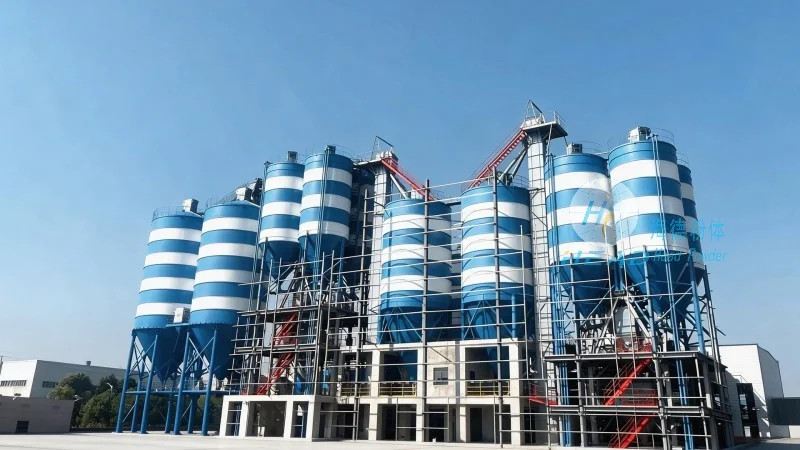
Application Examples and Industry Use Cases
Polyethylene granule pneumatic conveying lines are widely used in various industries, including plastics manufacturing, chemical processing, and food processing. In the plastics industry, these systems are commonly employed to transport polyethylene pellets from storage silos to extrusion lines or molding machines. The efficient and clean transport of granules ensures consistent material quality and reduces downtime due to material handling issues. In chemical processing, pneumatic conveying lines are used to move polyethylene granules through processing units, such as reactors or drying equipment, where the material may undergo further treatment before final use. The food processing industry also benefits from pneumatic conveying lines, as they provide a hygienic and contamination-free method of transporting polyethylene granules used in packaging applications. These systems are particularly valuable in environments where product purity and safety are paramount, as they prevent cross-contamination and maintain the integrity of the material being transported.
Maintenance and Operational Considerations
Proper maintenance and operational considerations are essential for ensuring the long-term performance and reliability of a polyethylene granule pneumatic conveying line. Regular inspection of components, such as the feeder, pipeline, and receiver, is necessary to identify and address any potential issues before they lead to system failure. Cleaning the system, especially after handling different materials or during shutdown periods, helps prevent clogging and maintains optimal airflow. Monitoring the pressure and flow rates during operation allows operators to detect any deviations from normal performance, which may indicate blockages or other problems. Additionally, using high-quality materials for components, such as corrosion-resistant stainless steel for the pipeline and wear-resistant materials for the feeder, extends the lifespan of the system and reduces maintenance costs over time. Proper training of operators on the system's operation and maintenance procedures is also crucial for maximizing efficiency and minimizing downtime.
Conclusion
A polyethylene granule pneumatic conveying line is a sophisticated and efficient system designed to transport bulk materials with minimal contamination and maximum reliability. By understanding the operation process and working principle of such a line, manufacturers can optimize their material handling processes, reduce costs, and improve overall productivity. The system's flexibility and adaptability make it suitable for a wide range of industrial applications, and with proper maintenance and operational practices, it can provide long-term benefits for businesses in the plastics and related industries. As a leading provider of engineering solutions, Shandong HeadPowder Engineering Co., Ltd. specializes in designing and manufacturing high-quality pneumatic conveying systems tailored to the specific needs of industrial clients, ensuring efficient and reliable material transport for polyethylene granules and other bulk materials.