

Operation Process and Working Principle of Glass Bead Material Pneumatic Conveying Line
HeadPowder, a leading provider in the field, specializes in the design, manufacturing, and installation of advanced pneumatic conveying systems tailored for glass bead materials. This article delves into the operational process and underlying principles of such systems, offering a comprehensive understanding for industry professionals and potential clients.
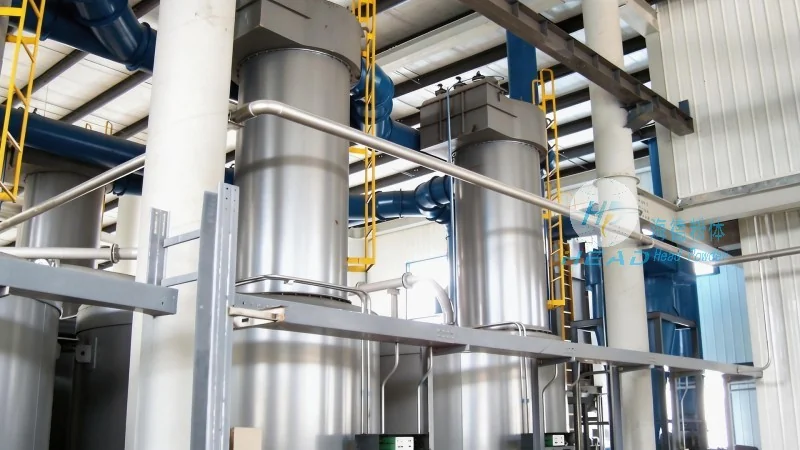
Key Components of a Glass Bead Pneumatic Conveying Line
The core components of a typical glass bead pneumatic conveying system include the hopper, feeder, conveying line, and receiver. The hopper serves as the storage vessel, holding the glass beads and providing a controlled feed. The feeder, often a rotary valve or screw feeder, regulates the material flow into the conveying line. The conveying line itself is the central pathway, where compressed air or gas propels the glass beads through a network of pipes. The receiver is the final destination, where the material is deposited after transport.
Working Principle: How the System Transfers Glass Beads
The operation of a glass bead pneumatic conveying line is based on the principle of fluidization and pneumatic transport. When compressed air is introduced into the conveying line, it creates a low-pressure environment that lifts the glass beads from the hopper. The air flow, combined with the material's density and particle size, ensures efficient movement through the system. The feeder controls the rate of material discharge, maintaining a consistent flow rate that prevents blockages or excessive pressure buildup. The conveying line's design, including bends and straight sections, is optimized to minimize pressure loss and ensure smooth material transport. The receiver then collects the glass beads, completing the process.
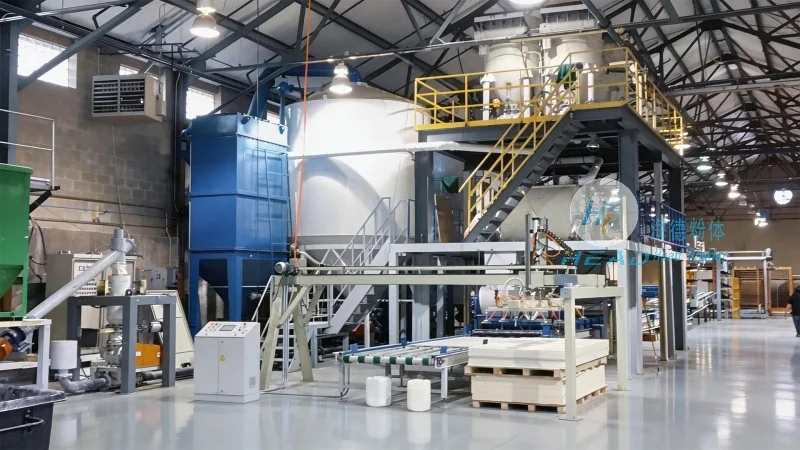
Operational Process: Step-by-Step Execution
The operational process of a glass bead pneumatic conveying line involves several sequential steps. First, the glass beads are loaded into the hopper, ensuring an adequate supply for continuous operation. The feeder then starts, regulating the material flow into the conveying line. Compressed air is activated, creating the necessary pressure differential to move the beads. As the beads travel through the system, they are transported to the receiver, where they are deposited. The system continuously monitors pressure and flow rates to maintain optimal performance. Any adjustments to the feeder speed or air pressure are made to maintain consistent operation and prevent system failures.
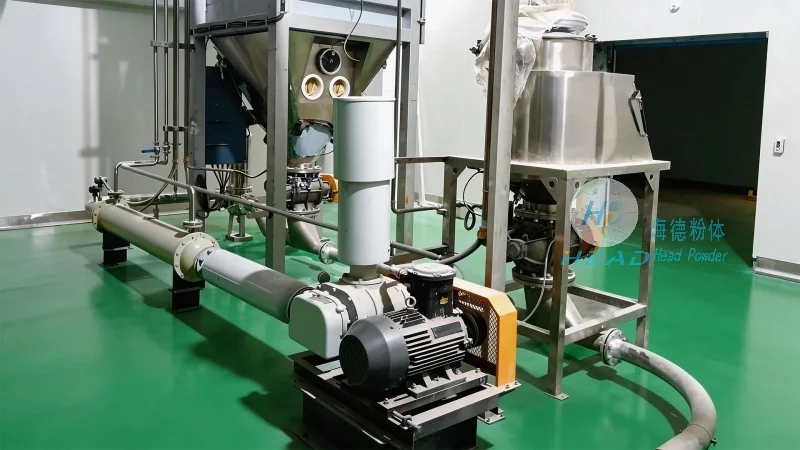
Advantages of Using Pneumatic Conveying for Glass Beads
Pneumatic conveying systems offer several advantages for transporting glass beads. They provide a dust-free environment, which is crucial for maintaining product quality and worker safety. The enclosed system prevents contamination and loss of material. Additionally, the process is efficient, with minimal downtime and low maintenance requirements. The flexibility of the system allows for easy integration with existing production lines, and the ability to transport materials over long distances without the need for multiple transfer points makes it a cost-effective solution. The system also reduces the risk of material degradation, as the enclosed environment protects the glass beads from external factors.
Company Profile: Shandong HeadPowder Engineering Co., Ltd.
HeadPowder, formally known as Shandong HeadPowder Engineering Co., Ltd., is a reputable company based in Shandong, China. The company specializes in the engineering and manufacturing of pneumatic conveying systems, with a focus on glass bead and other fine materials. With years of experience in the industry, HeadPowder has developed a strong reputation for quality, reliability, and customer satisfaction. The company's team of experts provides comprehensive solutions, from system design and installation to maintenance and support. HeadPowder's commitment to innovation and customer needs has made it a trusted partner for businesses seeking efficient material handling solutions.