

Operation Process and Working Principle of Pneumatic Conveying Line for Foam Plastic Materials
Pneumatic conveying lines are essential equipment in material handling, particularly for transporting lightweight and irregularly shaped materials like foam plastics. These systems utilize air or gas to move materials from one location to another, offering advantages such as dust-free operation, flexibility in layout, and the ability to handle sensitive or hygienic materials. For industries dealing with foam plastic materials, selecting the right pneumatic conveying system is crucial for efficiency and product integrity.
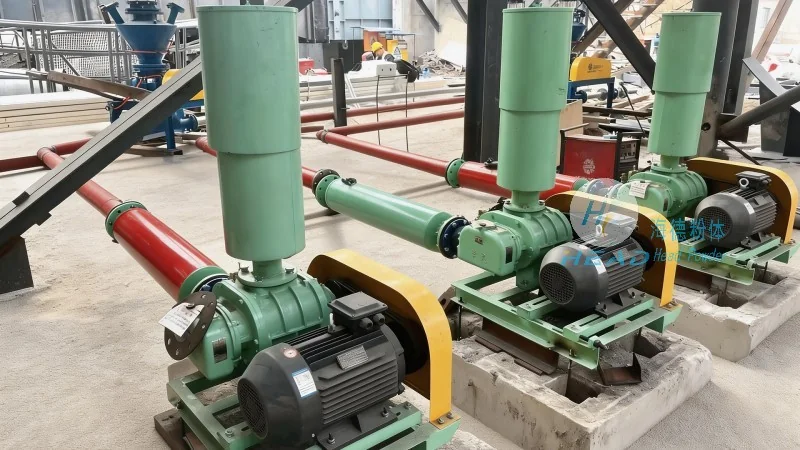
The Operation Process of Foam Plastic Material Pneumatic Conveying Lines
The operation process of a foam plastic material pneumatic conveying line typically involves several key steps. First, the foam plastic material is loaded into the hopper or feeder. The feeder then meters the material into the conveying line at a controlled rate. Next, a fan or blower generates the necessary air pressure to create a flow of air through the pipeline. The material is then carried by the air stream, moving through the pipeline to the discharge point. At the receiving end, a separator or cyclone separates the material from the air, allowing the foam plastic to be collected in a bin or storage area. The air, now clean, is either filtered and recirculated or vented to the atmosphere, depending on the system design.
Working Principle of Pneumatic Conveying Lines for Foam Plastics
The working principle of a pneumatic conveying line for foam plastics is based on the interaction between the material and the air flow. In a pressure system, the fan creates positive pressure, pushing the air and material through the pipeline. The material is suspended in the air stream due to the drag force, which is proportional to the air velocity and the material's properties. For foam plastics, which are often lightweight and have low bulk density, the system must be designed to maintain sufficient air velocity to prevent material settling or blockages. The system may use a combination of positive and negative pressure stages, with intermediate cyclones or separators to handle different material loads and prevent system overload.
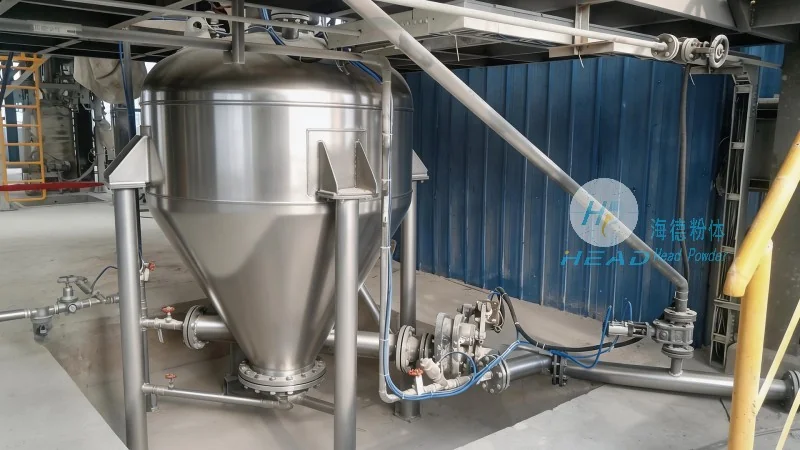
Key Components and Their Functions in Foam Plastic Pneumatic Conveying Lines
Several critical components work together to ensure the efficient operation of a foam plastic material pneumatic conveying line. The hopper or feeder is responsible for storing and feeding the material into the system at a consistent rate. The fan or blower provides the necessary air pressure and flow rate. The pipeline, usually made of flexible or rigid materials, transports the material and air. The discharge equipment, such as a cyclone separator or rotary valve, separates the material from the air and directs it to the collection point. The filter system, if used, cleans the air before recirculation, ensuring the system operates without contamination. Each component must be carefully selected and sized to match the specific characteristics of the foam plastic material being handled, such as its density, size, and moisture content.
Advantages of Using Pneumatic Conveying Lines for Foam Plastics
Employing pneumatic conveying lines for foam plastic materials offers several advantages over traditional methods like belt conveyors or manual handling. One primary benefit is the ability to handle lightweight and irregularly shaped materials without the risk of material degradation or damage. The system is also dust-free, which is critical for maintaining a clean and safe working environment, especially in industries where hygiene is a priority. Additionally, pneumatic conveying systems can be designed with flexible layouts, allowing for easy integration into existing production lines or facility modifications. The enclosed nature of the system prevents material loss and contamination, ensuring product quality and consistency. For foam plastics, which are often used in applications requiring high purity, such as packaging or insulation, the dust-free operation of pneumatic conveying is particularly beneficial.
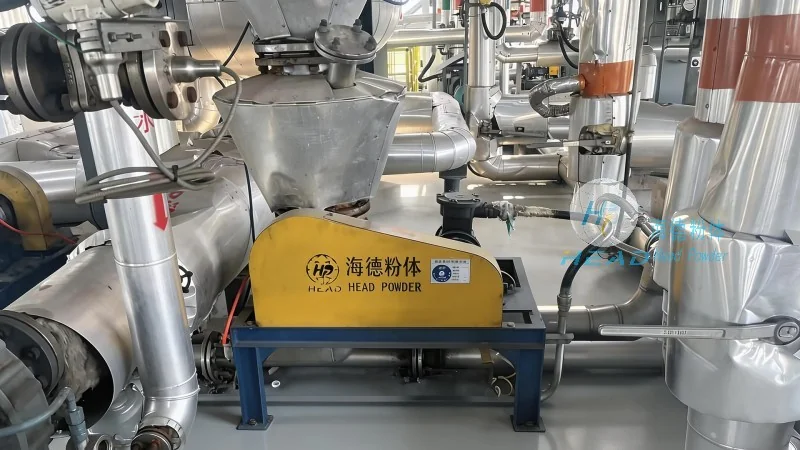
Considerations for Designing and Implementing Foam Plastic Pneumatic Conveying Systems
Designing and implementing a pneumatic conveying system for foam plastic materials requires careful consideration of several factors. The first is the material's physical properties, including bulk density, particle size distribution, and moisture content. These properties determine the required air velocity and system pressure to prevent blockages and ensure efficient transport. The system layout and length also play a crucial role, as longer pipelines may require additional stages or larger fans to maintain adequate air flow. The choice of pipeline material is important, as it must be compatible with the foam plastic and resistant to wear or corrosion. For foam plastics, which can be abrasive or have a tendency to stick to surfaces, materials like stainless steel or special coatings may be used to prevent material buildup and ensure smooth operation. Additionally, the system must be equipped with proper safety features, such as pressure relief valves and air filters, to prevent accidents and maintain operational safety.
About Shandong HeadPowder Engineering Co., Ltd.
Shandong HeadPowder Engineering Co., Ltd., commonly known as HeadPowder, is a leading manufacturer and supplier of pneumatic conveying systems and related equipment. With a focus on innovation and quality, HeadPowder specializes in designing and manufacturing customized solutions for various industries, including those handling foam plastic materials. The company is headquartered in Shandong, China, and has a strong reputation for delivering reliable, efficient, and cost-effective pneumatic conveying systems. HeadPowder's team of engineers and technicians work closely with clients to understand their specific material handling needs and develop tailored solutions that meet their operational requirements. The company adheres to strict quality standards and uses advanced manufacturing techniques to ensure the durability and performance of its products. With years of experience in the industry, HeadPowder is committed to providing exceptional service and support to its customers, helping them optimize their material handling processes and improve overall productivity.