

Operation Process and Working Principle of Gravity Dust Removal Material Pneumatic Conveying Line
For industrial applications that require efficient handling of dust and fine particulate materials, the gravity dust removal material pneumatic conveying line offers a reliable solution. This system is designed to transport dry bulk materials, such as powders and granules, while simultaneously removing dust and particulate matter from the air stream. The technology is widely used in industries like cement, chemical, and food processing, where maintaining air quality and material purity is critical.
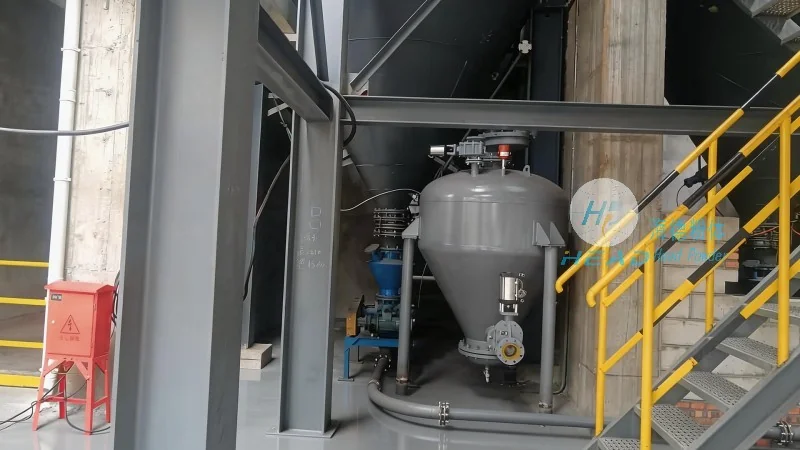
Introduction to the Gravity Dust Removal Pneumatic Conveying System
The gravity dust removal material pneumatic conveying line is a sophisticated system that integrates dust filtration and material transport into a single process. Developed by Shandong HeadPowder Engineering Co., Ltd., a leading manufacturer based in China, this system combines the principles of pneumatic conveying with advanced dust removal technology. The primary goal is to ensure that the material is transported efficiently while minimizing air pollution and maintaining product quality.
Key Components of the Pneumatic Conveying Line
The system consists of several core components that work in tandem to achieve the desired results. These include a material hopper for storage, a dust collector to remove particulates from the air, a conveying pipeline, a control system for regulating air flow, and a discharge unit for the final material output. Each component is carefully designed to optimize performance and durability, ensuring long-term operation with minimal maintenance.
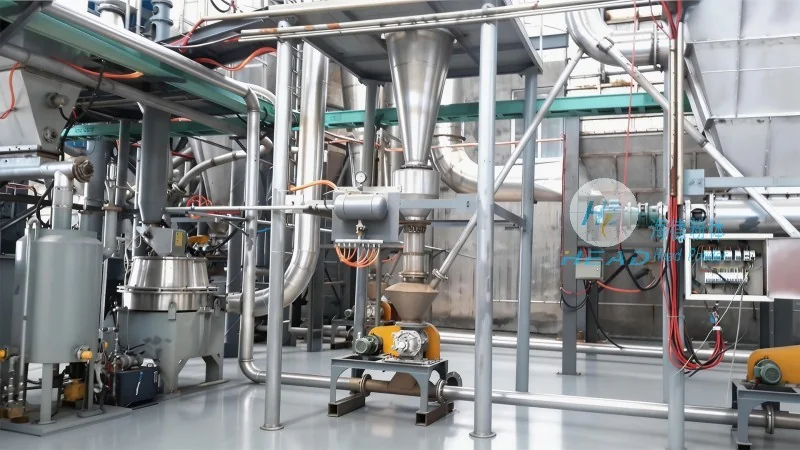
Working Principle of the Gravity Dust Removal Process
The operation of the gravity dust removal material pneumatic conveying line is based on the principle of air pressure and gravity. The system uses a blower or fan to generate a high-velocity air stream that draws material from the hopper into the conveying pipeline. As the material travels through the pipeline, it encounters a series of filters and separators that capture dust and fine particles. The clean air, now free of particulates, is then discharged, while the material continues to the discharge point. This dual-function design ensures that both material transport and air purification are achieved simultaneously.
Step-by-Step Operation Process
The operational process of the system can be broken down into several key steps. First, the bulk material is loaded into the storage hopper. The control system then activates the blower, which creates the necessary air pressure to initiate material transport. As the material is drawn into the pipeline, it passes through the dust removal section, where particulates are separated from the air stream. The cleaned air is vented to the atmosphere, while the material is directed to the discharge point. The system continues to operate continuously, with the hopper being refilled as needed. This automated process ensures consistent performance and reduces the need for manual intervention.
Advantages and Benefits of the System
Implementing a gravity dust removal material pneumatic conveying line offers numerous advantages for industrial operations. The primary benefit is the simultaneous reduction of air pollution and efficient material transport. By removing dust and particulates from the air stream, the system helps maintain a clean working environment and complies with environmental regulations. Additionally, the system is designed for low maintenance, with components that are easy to access and replace. The use of advanced filtration technology ensures high efficiency in dust removal, with minimal loss of material. The system also offers flexibility in material handling, allowing for the transport of various types of powders and granules with different properties.
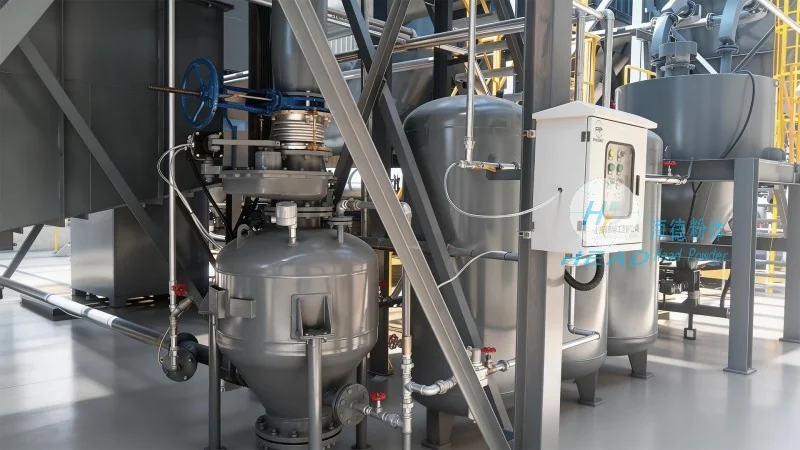
Applications and Industries
The gravity dust removal material pneumatic conveying line is suitable for a wide range of industrial applications. In the cement industry, it is used to transport raw materials and finished products while controlling dust emissions. In the chemical industry, it handles various powders and chemicals, ensuring safety and compliance with environmental standards. The food processing industry also benefits from this system, as it maintains product purity and hygiene by removing dust and contaminants from the air stream. Overall, the system is a versatile solution for any industry that requires efficient bulk material handling with dust control.
Conclusion
Shandong HeadPowder Engineering Co., Ltd. has developed a state-of-the-art gravity dust removal material pneumatic conveying line that combines efficiency, reliability, and environmental responsibility. By integrating dust filtration with material transport, this system addresses the dual challenges of bulk material handling and air quality management. With its robust design and advanced technology, the system is an ideal choice for industries seeking a sustainable and effective solution for their material handling needs. Based in China, the company provides comprehensive support and customization options to meet the specific requirements of each client, ensuring optimal performance and long-term satisfaction.