

Operation Process and Working Principle of Negative Pressure Dilute Phase Material Pneumatic Conveyi
HeadPowder, a leading manufacturer based in Shandong, China, specializes in the design and production of advanced negative pressure dilute phase material pneumatic conveying equipment. This technology is widely used in various industrial sectors for efficient and reliable material transport. The following content provides a detailed overview of the operation process and working principles of such systems, highlighting key components and operational mechanisms.
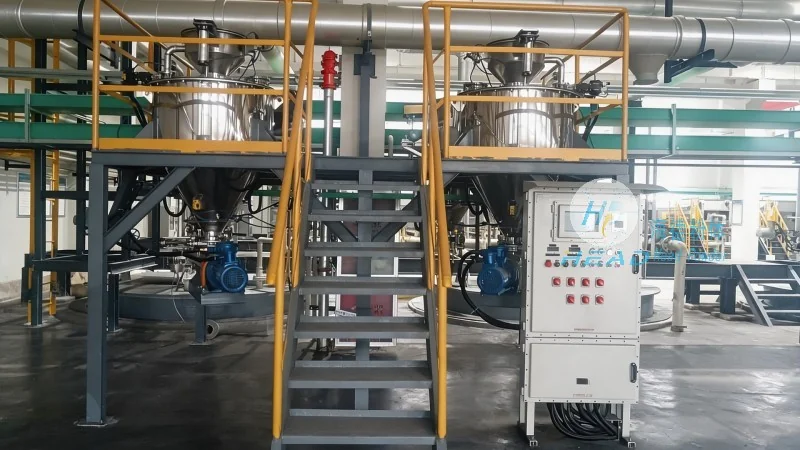
Key Components of the Pneumatic Conveying System
The negative pressure dilute phase pneumatic conveying system typically consists of several core components that work in tandem to achieve effective material transport. These include a material feeder, a conveying pipeline, a fan or blower, a dust filter, and a discharge unit. The material feeder is responsible for introducing the bulk material into the system, while the conveying pipeline transports the material-air mixture. The fan or blower generates the necessary negative pressure to draw the material into the pipeline. The dust filter ensures that the air is cleaned before being released back into the environment, and the discharge unit collects the material at the destination point.
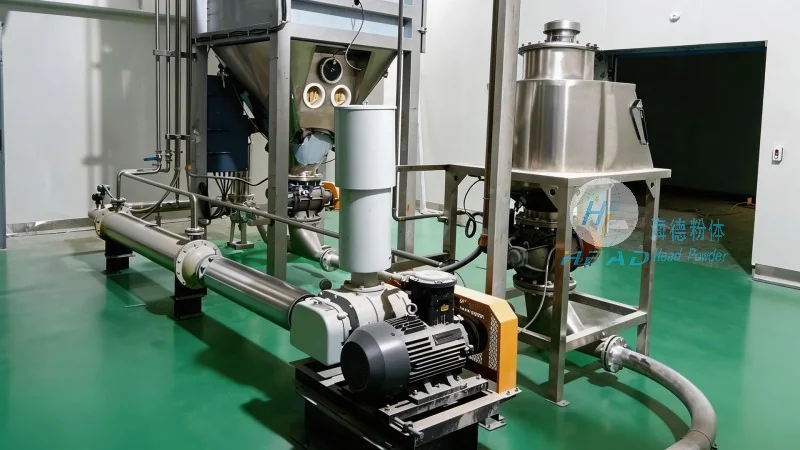
Operation Process of the System
The operation process of a negative pressure dilute phase pneumatic conveying system begins with the loading of the material into the feeder. The feeder then gradually releases the material into the conveying pipeline. Simultaneously, the fan operates to create a negative pressure within the pipeline, which draws the material-air mixture from the feeder and along the pipeline. As the material travels through the pipeline, it is suspended by the air flow and transported to the discharge point. The system maintains a consistent negative pressure throughout the pipeline to ensure continuous material flow. The material is then discharged at the receiving end, and the clean air is filtered and released from the dust filter.
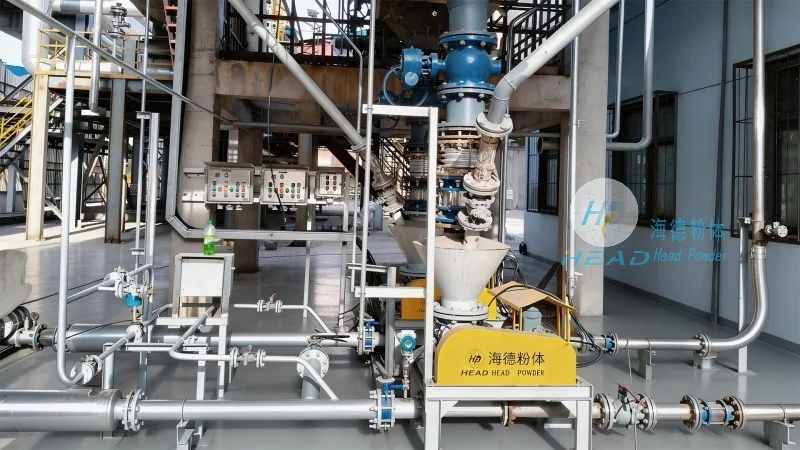
Working Principle of the Dilute Phase Conveying
The working principle of the negative pressure dilute phase pneumatic conveying system is based on the principle of fluidization and suspension. In this mode, the material is transported as a dilute mixture with air, where the material particles are suspended in the air stream. The negative pressure generated by the fan creates a pressure difference between the inlet and outlet of the system, driving the material flow. The air velocity within the pipeline is maintained at a level sufficient to keep the material particles in suspension, preventing them from settling or clogging the pipeline. This mode is particularly suitable for transporting fine or powdery materials over moderate distances, as it minimizes material degradation and ensures efficient transport.
Advantages of Negative Pressure Dilute Phase Conveying
Compared to positive pressure systems, negative pressure dilute phase pneumatic conveying offers several advantages. It is more energy-efficient as it requires less power to maintain the negative pressure. The system also provides better material containment, reducing dust emissions and environmental impact. Additionally, the negative pressure operation reduces the risk of material leakage and improves safety in the workplace. The dilute phase mode is also gentler on the material, preserving its quality and preventing damage during transport. These advantages make the system ideal for applications where material integrity and environmental compliance are critical.
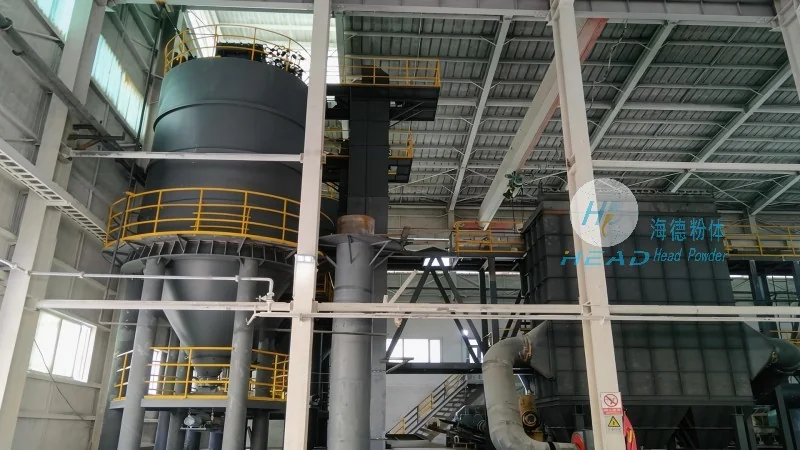
Applications and Industries
HeadPowder's negative pressure dilute phase material pneumatic conveying equipment is widely used in various industries, including food processing, pharmaceuticals, chemicals, and mining. In the food industry, it is used for transporting powders such as flour, sugar, and spices, ensuring hygienic and dust-free transport. In the pharmaceutical industry, the system is employed to convey active pharmaceutical ingredients (APIs) and other powders, maintaining strict contamination control. The chemical industry utilizes the equipment for transporting bulk chemicals and powders, while the mining sector uses it for transporting ore and other materials from processing plants. The versatility of the system makes it suitable for a wide range of applications, meeting the specific needs of different industries.