

Operation Process and Working Principle of Automatic Material Feeding Pneumatic Conveying Equipment
HeadPowder, a leading manufacturer based in Shandong, China, specializes in the design and production of advanced pneumatic conveying systems. This article provides a detailed overview of the operation process and working principle of their automatic material feeding pneumatic conveying equipment, highlighting key components, operational steps, and technical aspects that ensure efficient material handling in various industrial applications.
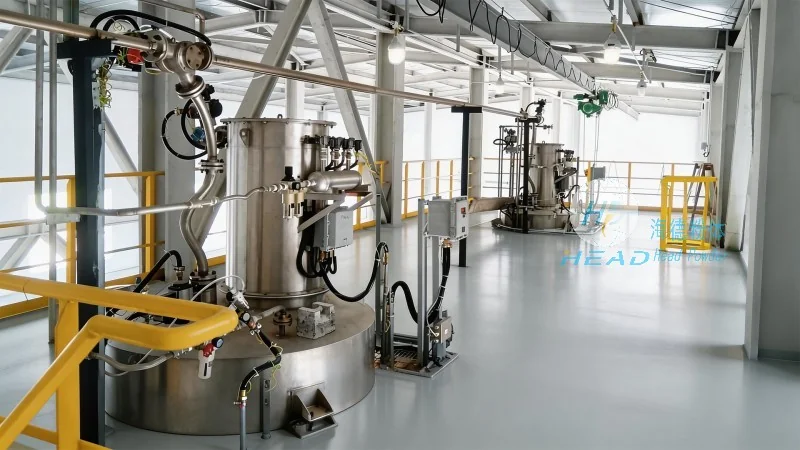
Introduction to Automatic Material Feeding Pneumatic Conveying Equipment
Automatic material feeding pneumatic conveying equipment is a sophisticated system used to transport bulk materials from one location to another using air as the conveying medium. This technology is widely adopted in industries such as pharmaceuticals, food processing, chemicals, and mining due to its ability to handle a diverse range of materials while maintaining high levels of cleanliness and efficiency. The equipment is designed to automate the material feeding process, reducing manual intervention and enhancing overall production throughput.
Key Components of the Pneumatic Conveying System
The automatic material feeding pneumatic conveying system consists of several critical components that work in tandem to achieve effective material transport. These components include the material hopper, feeding mechanism, air compressor, conveying line, and receiving hopper. Each component plays a vital role in the overall operation of the system.
The material hopper is the initial storage container where raw materials are loaded. It is typically equipped with a level indicator to monitor the material level and a discharge valve for controlled material release. The feeding mechanism, often a rotary valve or a screw feeder, regulates the flow of material from the hopper into the conveying line. The air compressor generates the necessary pressure to move the material through the system, while the conveying line, usually made of stainless steel or other corrosion-resistant materials, ensures the material is transported without degradation.
Operation Process of the Automatic Material Feeding System
The operation of the automatic material feeding pneumatic conveying equipment follows a systematic sequence of steps. The process begins with the loading of raw materials into the material hopper. Once the hopper is filled, the feeding mechanism starts to discharge the material into the conveying line at a controlled rate. Simultaneously, the air compressor activates and generates a flow of compressed air that travels through the conveying line, creating a pressure differential that propels the material forward.
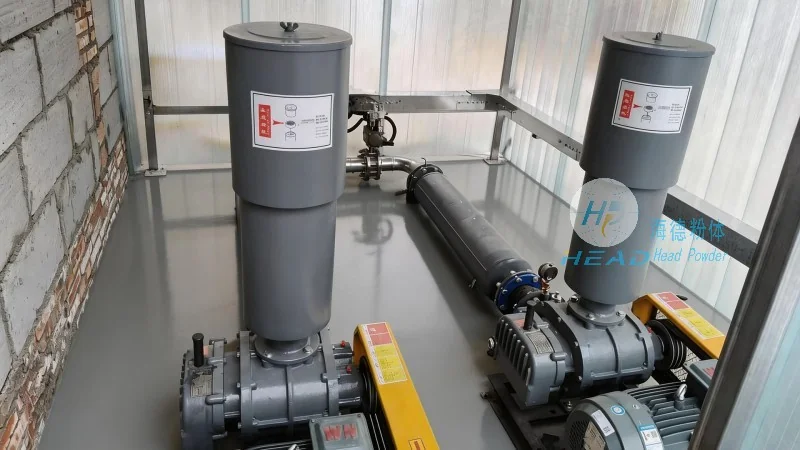
As the material moves through the conveying line, it is carried by the air stream in a suspended state, reducing friction and wear on the system components. The receiving hopper at the end of the line collects the conveyed material, and the process continues until the desired amount of material has been transported. The system is equipped with sensors and control panels that monitor pressure, flow rates, and material levels, allowing for real-time adjustments to maintain optimal performance.
Working Principle of Pneumatic Conveying
The working principle of the automatic material feeding pneumatic conveying system is based on the principles of fluid dynamics and particle transport. When compressed air is introduced into the conveying line, it creates a low-pressure zone that draws the material particles into the air stream. The air velocity is maintained at a level sufficient to keep the particles suspended, preventing them from settling or clogging the line. This method of conveying is known as dilute phase pneumatic conveying, which is ideal for handling fine powders and granular materials.
The system operates by creating a pressure difference between the inlet and outlet of the conveying line. The air compressor supplies the necessary pressure at the inlet, while the outlet is vented to the atmosphere or connected to a vacuum system. The pressure differential ensures that the material is continuously pulled through the system, maintaining a steady flow rate. The design of the conveying line, including bends and elbows, is optimized to minimize pressure losses and ensure smooth material transport.
Advantages of Automatic Material Feeding Pneumatic Conveying Equipment
Automatic material feeding pneumatic conveying equipment offers several advantages over traditional mechanical conveying methods. These include improved hygiene and cleanliness, as the system is enclosed and prevents contamination from external sources. It also reduces labor costs by automating the material handling process, allowing operators to focus on other tasks. Additionally, the system is highly flexible and can be easily integrated with other production equipment, enabling seamless material flow in manufacturing processes.
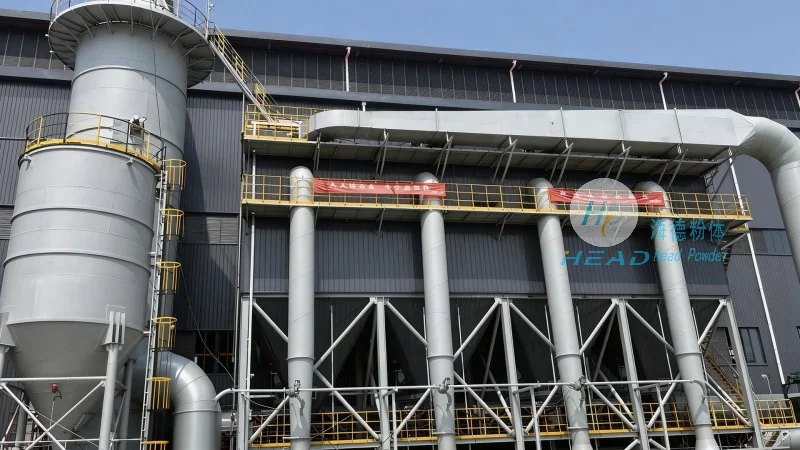
The equipment is also capable of handling a wide range of materials, including sensitive products that require minimal handling to prevent degradation. The use of stainless steel components ensures durability and resistance to corrosion, extending the service life of the system. Furthermore, the system can be equipped with advanced control systems that allow for remote monitoring and operation, enhancing operational efficiency and reducing downtime.
Applications and Industries
The automatic material feeding pneumatic conveying equipment is widely used in various industries due to its versatility and efficiency. In the pharmaceutical industry, it is used to transport active pharmaceutical ingredients (APIs) and excipients with high precision and minimal contamination. In the food processing industry, it handles ingredients such as flour, sugar, and spices, ensuring product quality and safety. The chemical industry utilizes the system for transporting powders and granules, while the mining industry employs it for material transport in processing plants.
Each application requires specific system configurations, such as different hopper sizes, conveying line lengths, and air compressor capacities, to meet the unique demands of the process. HeadPowder provides customized solutions tailored to the specific requirements of each client, ensuring optimal performance and reliability.
Maintenance and Troubleshooting
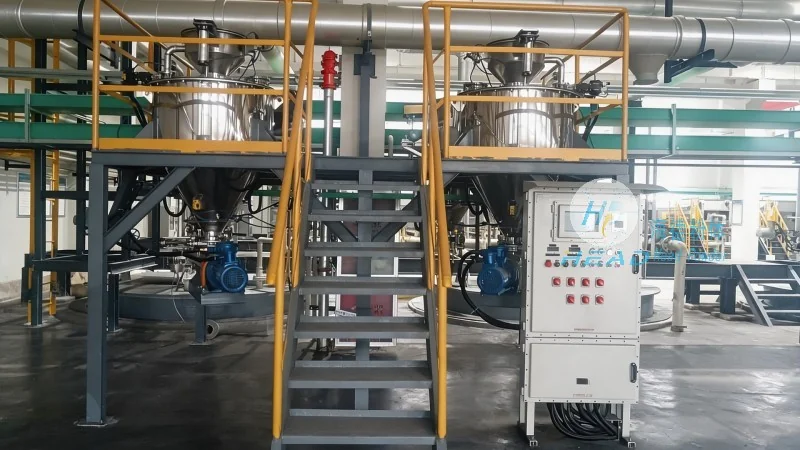
Proper maintenance is crucial to ensure the long-term performance and reliability of the automatic material feeding pneumatic conveying equipment. Regular inspections of the material hopper, feeding mechanism, and conveying line are necessary to detect any signs of wear or blockages. The air compressor and associated filters should be checked and maintained regularly to prevent air leaks and ensure consistent pressure levels.
Troubleshooting common issues such as clogging, low pressure, or uneven material flow is essential for maintaining system efficiency. Clogging can occur due to material buildup in the conveying line, which may be caused by excessive moisture or the presence of foreign objects. Low pressure may indicate a faulty air compressor or a blockage in the line. Uneven material flow can result from improper feeding rates or air pressure fluctuations.
HeadPowder offers comprehensive maintenance services and technical support to help clients address these issues and ensure the system operates at peak performance. Regular maintenance schedules and training for operators can significantly reduce downtime and extend the lifespan of the equipment.
Conclusion
Automatic material feeding pneumatic conveying equipment is a highly efficient and versatile solution for material handling in various industrial applications. The system's ability to automate the material feeding process, maintain high levels of cleanliness, and handle a wide range of materials makes it an essential component in modern manufacturing processes. HeadPowder, with its expertise in designing and manufacturing advanced pneumatic conveying systems, provides reliable solutions that meet the specific needs of clients in Shandong and beyond.