

Operation Process and Working Principle of Cotton Material Pneumatic Conveying Machines
HeadPowder, a leading manufacturer based in Shandong, China, specializes in the design and production of advanced pneumatic conveying systems tailored for cotton material handling. The company's expertise lies in developing efficient and reliable equipment that ensures seamless material transport from storage to processing units. This article delves into the operational process and underlying principles of cotton material pneumatic conveying machines, highlighting key components, working mechanisms, and practical applications.
Key Components of Cotton Pneumatic Conveying Systems
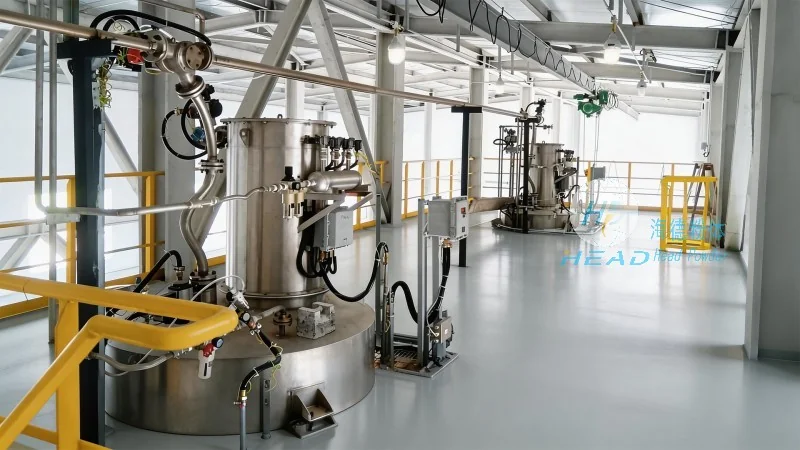
The cotton material pneumatic conveying machine typically consists of several critical components that work in tandem to achieve effective material transport. The primary elements include a hopper for material storage, a blower or air compressor to generate the necessary airflow, a pipeline system for conveying the material, and a discharge outlet for delivering the material to the target location. Additionally, the system may incorporate features such as filters to maintain air quality, check valves to prevent backflow, and pressure relief valves for safety. Each component plays a vital role in ensuring the smooth and efficient operation of the entire conveying process.
Working Principle of Pneumatic Conveying
The fundamental principle behind cotton material pneumatic conveying is the use of air to transport dry, loose materials like cotton through a pipeline. The process begins with the material being fed into the hopper. As the blower generates a high-pressure airflow, the material is drawn into the pipeline and carried along with the air stream. The airflow velocity is carefully controlled to ensure that the material particles are suspended and transported without causing blockages or excessive wear on the system components. The system operates on the principle of differential pressure, where the pressure inside the pipeline is maintained above atmospheric pressure to move the material forward. This method eliminates the need for mechanical parts like belts or buckets, reducing maintenance requirements and enhancing operational reliability.
Operation Process: From Loading to Discharge
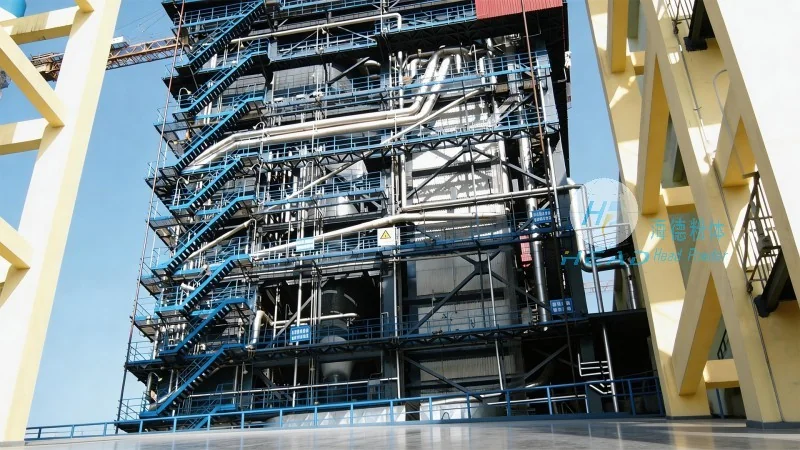
The operational process of a cotton material pneumatic conveying machine involves several sequential steps that ensure consistent and efficient material handling. The process starts with the loading of cotton into the hopper. The material is then released into the pipeline as the blower activates, creating the airflow that propels the material forward. The conveying speed is adjusted based on the material characteristics, such as particle size and moisture content, to optimize transport efficiency. As the material reaches the discharge point, the airflow is regulated to allow the material to be deposited accurately into the receiving container or processing equipment. The system may also include a control panel that allows operators to monitor and adjust parameters like airflow rate, pressure, and material feed rate in real-time, ensuring precise control over the conveying process.
Advantages of Pneumatic Conveying for Cotton Materials
Compared to traditional mechanical conveying methods, pneumatic conveying offers several advantages when handling cotton materials. The primary benefit is the ability to transport materials in a dust-free environment, which is crucial for maintaining product quality and ensuring workplace safety. The system also provides a continuous and uniform flow of material, reducing the risk of material buildup or blockages that can occur with mechanical systems. Additionally, pneumatic conveying is highly flexible, allowing for changes in the conveying route or destination without significant modifications to the system. The lack of moving parts in the pipeline reduces maintenance costs and extends the lifespan of the equipment. For cotton processing facilities, these advantages translate into improved operational efficiency, lower downtime, and enhanced product integrity.
Applications in Cotton Processing Industries
Cotton material pneumatic conveying machines are widely used in various stages of cotton processing, from raw material handling to finished product distribution. In textile mills, the equipment is used to transport raw cotton from storage silos to spinning machines, ensuring a steady supply of material for production. In cotton ginning facilities, the system helps move cotton from the ginning process to baling or packaging units. The versatility of the pneumatic conveying system allows it to be adapted for different processing stages, making it a valuable asset in cotton processing operations. The efficiency and reliability of the equipment contribute to higher productivity and reduced operational costs, making it a preferred choice for many cotton processing companies.
Maintenance and Operational Considerations
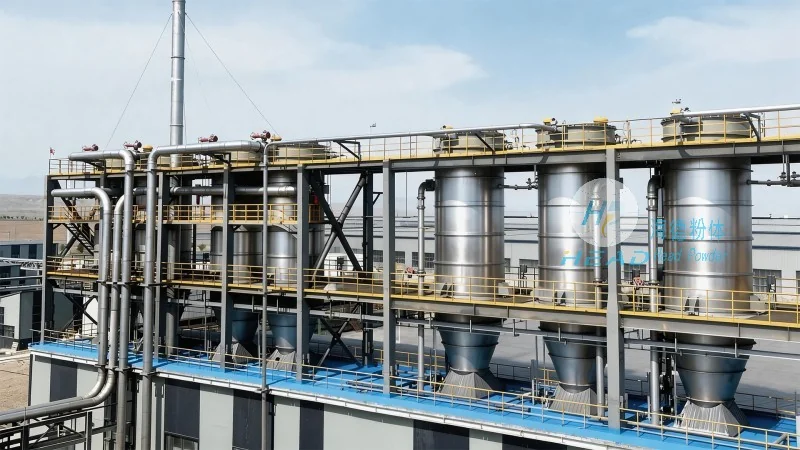
To ensure the long-term performance and reliability of cotton material pneumatic conveying machines, regular maintenance and proper operational practices are essential. The system components, such as the blower, filters, and pipeline, require periodic inspection and cleaning to prevent clogging or wear. The air filter should be checked and replaced as needed to maintain air quality and prevent contamination of the cotton material. The pipeline should be inspected for any signs of damage or blockages, and any issues should be addressed promptly to avoid system failures. Operational considerations include monitoring the airflow rate and pressure to ensure they remain within the optimal range for material transport. Operators should also be trained to handle any potential issues, such as material buildup or system malfunctions, to minimize downtime and maintain productivity. By following proper maintenance and operational guidelines, the equipment can provide consistent performance and extend its service life.
Conclusion
HeadPowder's cotton material pneumatic conveying machines represent a reliable and efficient solution for handling cotton materials in various industrial applications. The system's operation is based on proven pneumatic principles, utilizing air to transport material through a pipeline with minimal mechanical components. The advantages of this technology, including dust-free operation, continuous flow, and flexibility, make it an ideal choice for cotton processing facilities. With proper maintenance and operational practices, the equipment can deliver consistent performance and contribute to improved productivity and product quality. As a leading manufacturer based in Shandong, China, HeadPowder continues to innovate and provide high-quality pneumatic conveying solutions tailored to the needs of the cotton industry.