

Operation Process and Working Principle of PE Pellet Material Pneumatic Conveying Equipment
PE pellet material pneumatic conveying equipment is a key industrial device used for the efficient transport of polyethylene (PE) pellets. This equipment is designed to handle PE pellets in a dust-free, low-noise, and energy-efficient manner, making it ideal for various industrial applications such as plastic processing, chemical manufacturing, and material handling. The following sections will detail the operation process and working principle of this equipment, providing a comprehensive understanding of its functionality and benefits.
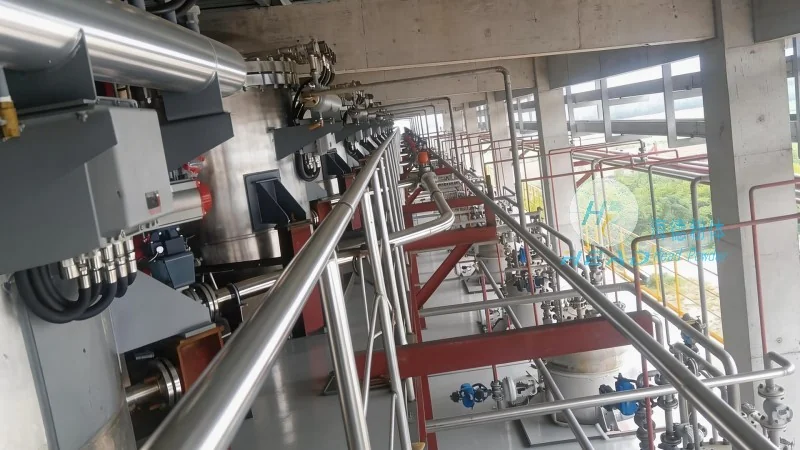
Company Overview: Shandong HeadPowder Engineering Co., Ltd.
HeadPowder, the manufacturer of this advanced pneumatic conveying system, is a leading company in the field of material handling solutions. With a strong focus on innovation and quality, HeadPowder has established itself as a trusted partner for businesses seeking reliable and efficient equipment for transporting PE pellets. The company is headquartered in Shandong, China, and specializes in developing customized pneumatic conveying solutions tailored to the specific needs of its clients.
Key Components of the Pneumatic Conveying System
The PE pellet pneumatic conveying machine typically consists of several key components that work in tandem to ensure smooth and efficient operation. These components include a hopper for material storage, a feeder to control the flow of pellets, a conveying line (often equipped with a pipeline and air distribution system), a receiver for the discharged material, and a blower or compressor to generate the necessary air pressure. Each component plays a crucial role in the overall operation of the system, contributing to the effective transport of PE pellets from the source to the destination.
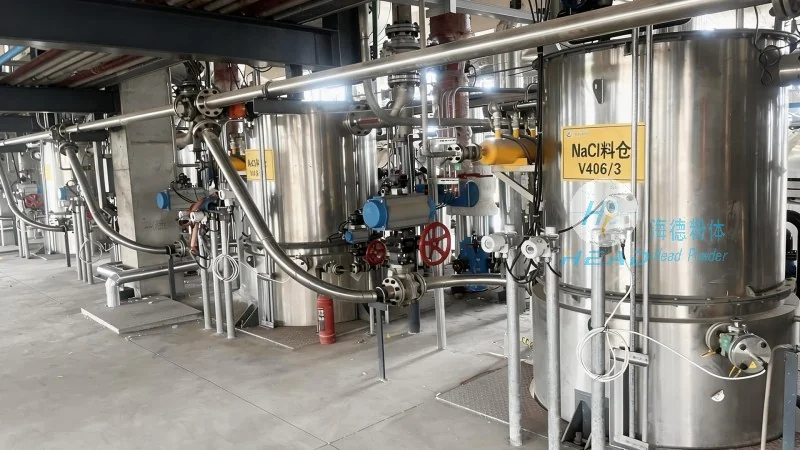
Working Principle of the Pneumatic Conveying Process
The working principle of the PE pellet pneumatic conveying equipment is based on the use of compressed air to move the material through a pipeline. The process begins with the material being fed into the hopper. From there, the feeder regulates the flow of pellets into the conveying line. The blower then generates a high-pressure air stream that propels the pellets forward through the pipeline. As the pellets travel, they are suspended and transported by the air flow, which ensures a continuous and stable movement of the material. The receiver at the end of the line collects the discharged pellets, completing the conveying cycle.
Operation Process: Step-by-Step Guide
The operation process of the PE pellet pneumatic conveying machine involves several sequential steps that ensure optimal performance and safety. First, the hopper is filled with PE pellets, and the system is checked for any leaks or obstructions. Next, the feeder is adjusted to control the flow rate of the pellets, which is crucial for maintaining a consistent conveying speed. The blower is then started, and the air pressure is monitored to ensure it meets the required levels for efficient transport. As the pellets are conveyed, the system continuously monitors the pressure and flow rates to prevent any blockages or inefficiencies. Finally, the receiver is emptied, and the process is repeated as needed. This step-by-step approach ensures that the equipment operates smoothly and reliably, minimizing downtime and maximizing productivity.
Advantages of Using PE Pellet Pneumatic Conveying Equipment
There are several advantages to using PE pellet pneumatic conveying equipment for transporting polyethylene pellets. One of the primary benefits is the ability to transport material in a dust-free environment, which reduces the risk of contamination and improves workplace safety. Additionally, the system operates quietly, making it suitable for use in industrial settings where noise control is important. The equipment also offers high efficiency, with minimal material loss and low energy consumption compared to traditional methods such as belt conveyors or manual handling. Furthermore, the system can be customized to meet the specific requirements of different applications, including varying material types, flow rates, and distances. These advantages make the PE pellet pneumatic conveying machine an ideal choice for businesses looking to improve their material handling processes.
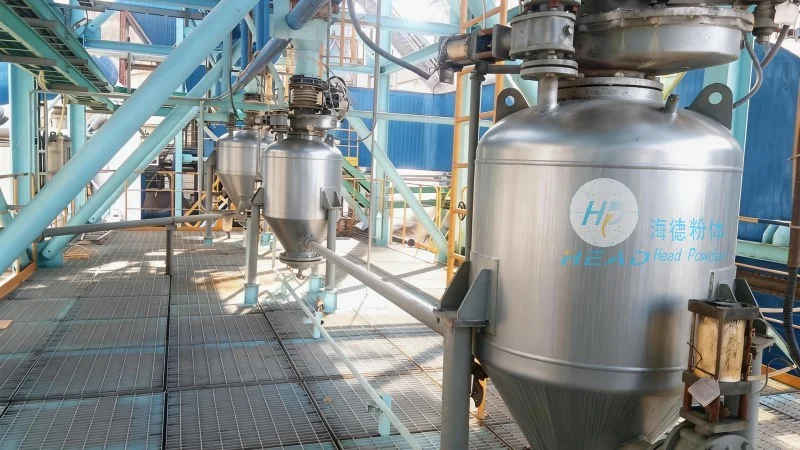
Applications and Industries
The PE pellet pneumatic conveying equipment is widely used in various industries that handle PE pellets. Some of the key applications include plastic manufacturing, where the equipment is used to transport raw materials to processing machines. In the chemical industry, it is used for transporting PE pellets in chemical processing plants. Additionally, the equipment is used in food processing and pharmaceutical industries where dust-free and hygienic handling of materials is essential. The versatility of the system makes it suitable for a wide range of applications, making it a valuable asset for businesses in these industries.
Conclusion
In conclusion, the PE pellet material pneumatic conveying equipment is a highly efficient and reliable solution for transporting polyethylene pellets. With its advanced design and working principle, the equipment offers numerous benefits, including dust-free operation, low noise levels, and high energy efficiency. Manufactured by Shandong HeadPowder Engineering Co., Ltd., a leading company in the field, this equipment is designed to meet the specific needs of various industrial applications. By understanding the operation process and working principle of this equipment, businesses can make informed decisions about implementing this technology to improve their material handling processes and enhance overall productivity.