

Introduction to Steel Sand Pneumatic Conveying and Structural Principle Explanation
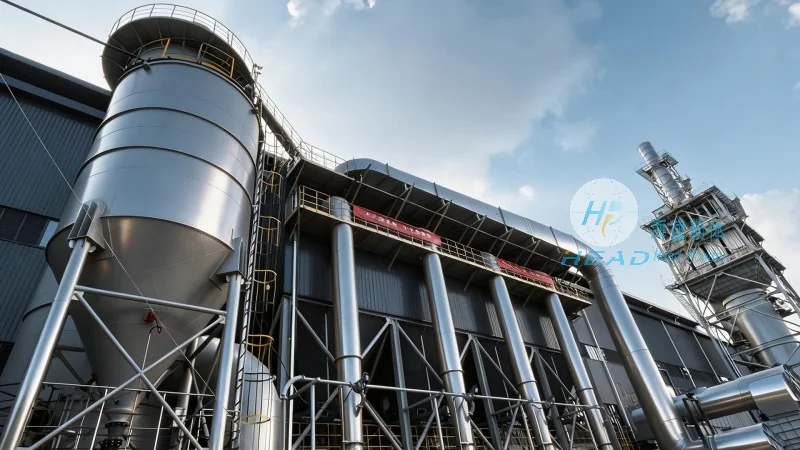
Steel sand pneumatic conveying systems are specialized equipment designed for the efficient transport of steel sand and similar bulk materials through an air-based system. This technology offers a reliable and flexible solution for material handling in various industrial applications, particularly in environments where traditional mechanical conveyors may face challenges due to material properties or operational constraints.
Overview of Steel Sand Pneumatic Conveying Systems
At the core of steel sand pneumatic conveying is the use of compressed air to move particulate materials like steel sand from one location to another. The system typically consists of a hopper for material storage, a conveying line (often equipped with ducts and fittings), and a receiver for the discharged material. The design of these systems is tailored to handle the specific characteristics of steel sand, such as its density, particle size distribution, and potential abrasive nature, ensuring optimal performance and longevity of the equipment.
Structural Components and Working Principle
The structural principle of a steel sand pneumatic conveying system revolves around the interaction between the material being conveyed and the air flow. The system operates by introducing compressed air into the conveying line, which creates a low-pressure zone that draws the steel sand particles into the air stream. This process, known as dilute-phase or dense-phase conveying depending on the air-to-material ratio, allows for the efficient movement of the material through the system.
Key Components and Their Functions
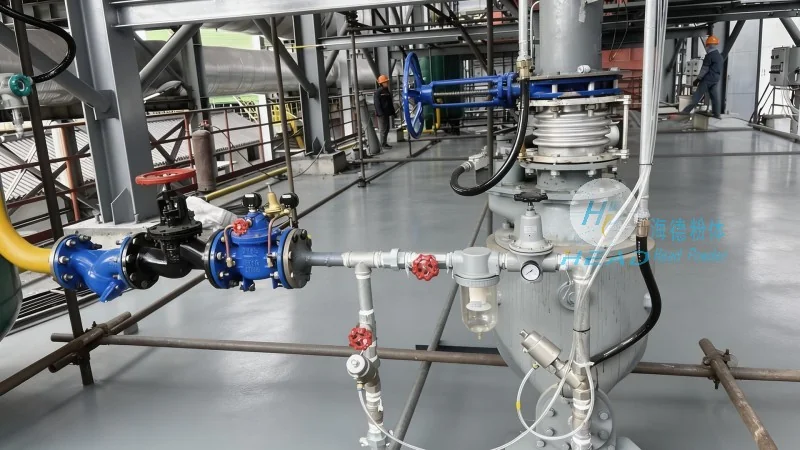
Several critical components make up a steel sand pneumatic conveying system, each playing a vital role in the overall operation. The hopper, where steel sand is initially stored, is designed to provide a consistent feed to the system, preventing material bridging or clogging. The air compressor or blower generates the necessary pressure to move the material through the ducts. The conveying line, often made of durable materials like stainless steel or high-grade plastic, is configured with bends, elbows, and straight sections to guide the material to the receiver. The receiver, typically a hopper or tank, collects the conveyed steel sand and may include features like a discharge valve or level indicator for operational control.
Advantages of Steel Sand Pneumatic Conveying
Steel sand pneumatic conveying offers several advantages over traditional mechanical conveyors. One of the primary benefits is the ability to transport materials over long distances or through complex layouts without the need for multiple transfer points. The system is also highly adaptable to changes in material flow rates or operational conditions, making it suitable for dynamic industrial environments. Additionally, pneumatic conveying systems can minimize material degradation and contamination, as the material remains enclosed within the conveying line, reducing exposure to external factors.
Applications in Industrial Settings
Steel sand pneumatic conveying systems are widely used in various industrial sectors, including foundries, metal processing plants, and construction material facilities. In foundries, these systems are crucial for transporting steel sand used in sand casting processes, ensuring a consistent and clean supply of material for mold production. In metal processing plants, they facilitate the movement of steel sand for recycling or reprocessing operations, contributing to efficient material management and waste reduction. The versatility of the system also makes it applicable in construction material production, where it can handle bulk materials like sand and aggregates with precision and reliability.
Operational Considerations and Maintenance
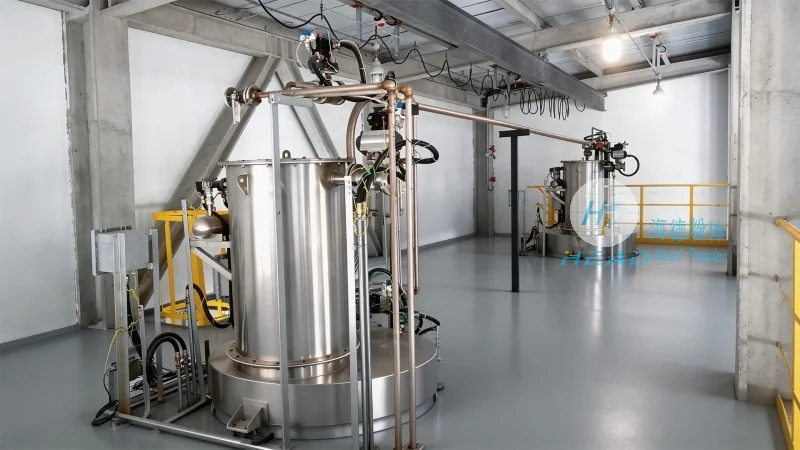
Proper operation and maintenance are essential for the longevity and efficiency of steel sand pneumatic conveying systems. Regular inspection of components such as air filters, ducts, and hoppers is necessary to prevent blockages or air leaks, which can reduce system performance. The air compressor should be maintained to ensure consistent pressure levels, and the conveying line should be checked for wear or damage that could affect material flow. Additionally, the system may require periodic cleaning to remove accumulated material or debris, which can impact air flow and overall system efficiency.
Conclusion
Steel sand pneumatic conveying systems represent a sophisticated and efficient solution for the transport of steel sand and similar bulk materials. By leveraging compressed air to move material through a structured system, these devices offer advantages in terms of flexibility, adaptability, and material handling efficiency. With proper design, operation, and maintenance, such systems can provide reliable performance in industrial settings, supporting the smooth operation of material handling processes and contributing to overall productivity.