

Introduction to and Structural Principles of Pneumatic Conveying for Soybean Grain
For industries involved in soybean grain handling and processing, efficient material transport is crucial to maintaining operational efficiency and product quality. Pneumatic conveying systems offer a reliable solution, enabling the seamless movement of soybean grains from storage to processing units with minimal human intervention. This article provides an overview of pneumatic conveying technology, focusing on its application in soybean grain handling and the structural principles that underpin its functionality.
Understanding Pneumatic Conveying Technology
Pneumatic conveying utilizes air or gas to transport bulk materials like soybean grains through a pipeline system. The process involves creating a pressure differential between the inlet and outlet of the conveying line, which propels the material forward. There are two primary types of pneumatic conveying systems: dilute-phase and dense-phase. Dilute-phase systems use low air velocity and high material concentration, suitable for short-distance transport. Dense-phase systems employ higher air velocity and lower material concentration, ideal for longer distances and more delicate materials. The choice between these systems depends on factors such as the distance between source and destination, the grain characteristics, and the required flow rate.
Key Components of Pneumatic Conveying Systems
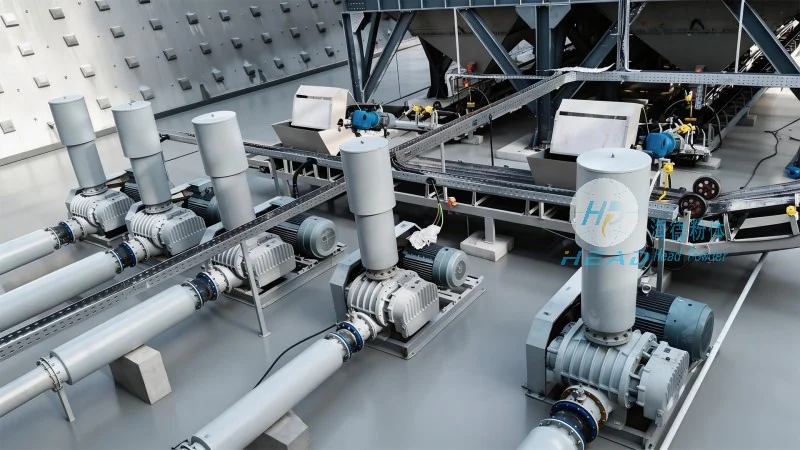
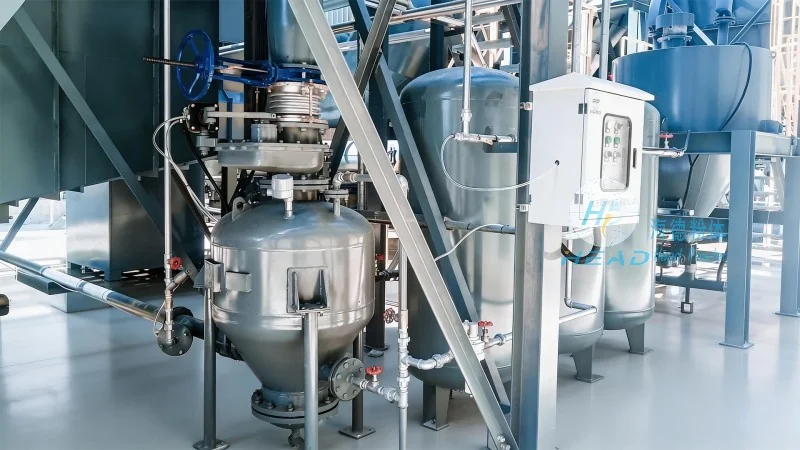
A pneumatic conveying system for soybean grain processing typically consists of several key components, each playing a vital role in the overall operation. The primary components include the hopper or feeder, which holds the soybean grain and controls the flow rate; the conveying line, which transports the material; the air supply system, which provides the necessary air or gas; and the receiver or discharge unit, which collects the conveyed material. Additionally, systems may include accessories such as filters, cyclones, and pressure regulators to ensure optimal performance and prevent material degradation.
Structural Principles and Operational Efficiency
The structural design of a pneumatic conveying system is critical to its efficiency and reliability. The hopper design, for example, must be tailored to the grain's characteristics to prevent bridging or segregation, which can disrupt the flow. The conveying line's diameter and length are carefully calculated to maintain the appropriate air velocity and pressure differential. The air supply system must be capable of delivering sufficient air volume and pressure to overcome resistance and ensure consistent material transport. Proper maintenance of these components is essential to prevent downtime and ensure long-term operational efficiency.
Applications in Soybean Grain Processing
Pneumatic conveying systems are widely used in various stages of soybean grain processing, from storage and handling to processing and packaging. In storage facilities, these systems facilitate the transfer of soybean grains from silos or bins to processing lines, reducing the need for manual handling and minimizing the risk of contamination. During processing, pneumatic conveying can transport soybean meal, soybean oil, or other byproducts to different processing units, ensuring a smooth workflow. The ability to handle large volumes of soybean grains quickly and efficiently makes pneumatic conveying an indispensable tool in modern soybean processing operations.
Advantages of Pneumatic Conveying for Soybean Grain Handling
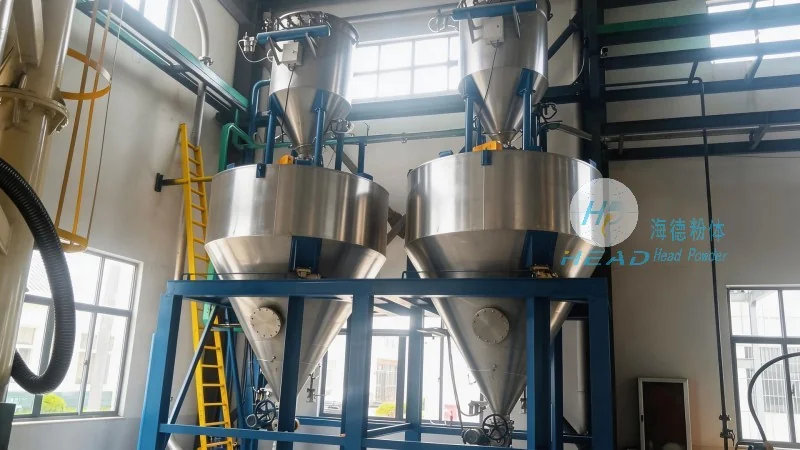
Compared to traditional conveying methods like belt conveyors or bucket elevators, pneumatic conveying offers several advantages for soybean grain processing. One of the most significant benefits is the ability to transport materials in a closed system, which helps maintain product quality by preventing exposure to contaminants or moisture. This is particularly important for soybean grains, which are sensitive to environmental factors. Additionally, pneumatic conveying systems are more flexible, allowing for changes in the layout of processing facilities without major modifications. They also reduce labor costs by minimizing the need for manual handling and can handle a wide range of grain sizes and moisture contents.
Customization and Integration with Processing Lines
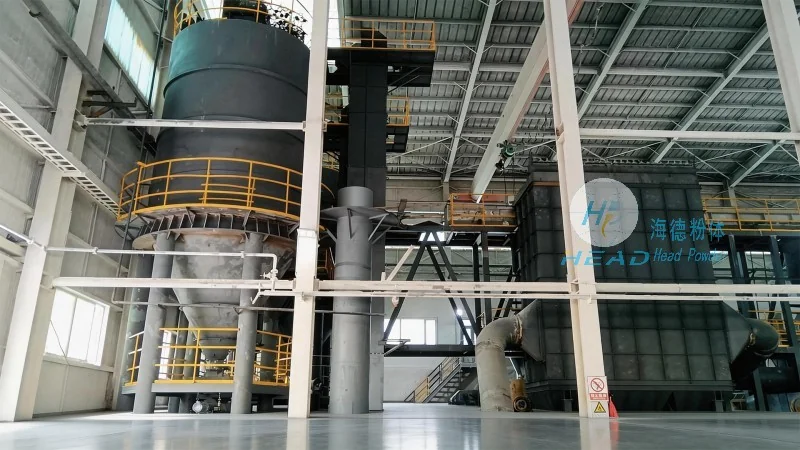
Shandong HeadPowder Engineering Co., Ltd. specializes in designing and manufacturing customized pneumatic conveying systems tailored to the specific needs of soybean grain processing facilities. With years of experience in the industry, the company understands the unique challenges faced by soybean processors and offers solutions that enhance operational efficiency and product quality. The company's engineers work closely with clients to assess their processing requirements, including the volume of soybean grains to be transported, the distance between processing units, and the desired flow rate. Based on this assessment, they design a system that incorporates the appropriate components and structural principles to ensure optimal performance.
Ensuring Reliability and Longevity
Reliability is a top priority for pneumatic conveying systems used in soybean grain processing. Shandong HeadPowder Engineering Co., Ltd. employs high-quality materials and advanced manufacturing techniques to ensure the durability and longevity of their systems. The company's systems are designed to withstand the rigors of continuous operation and are equipped with features such as automatic cleaning and maintenance alerts to minimize downtime. Additionally, the company provides comprehensive after-sales support, including installation, training, and maintenance services, to ensure that clients can maximize the performance of their pneumatic conveying systems.