

Introduction to and Structural Principles of Pneumatic Conveying Systems for Rice Grains
HeadPowder, a leading provider in the field of material handling solutions, specializes in the design and implementation of advanced pneumatic conveying systems tailored for the rice grain industry. This article provides a comprehensive overview of the pneumatic conveying systems used for rice grains, detailing their structural components and operational principles. The systems are engineered to ensure efficient, reliable, and hygienic transport of rice grains from storage to processing or packaging stages.
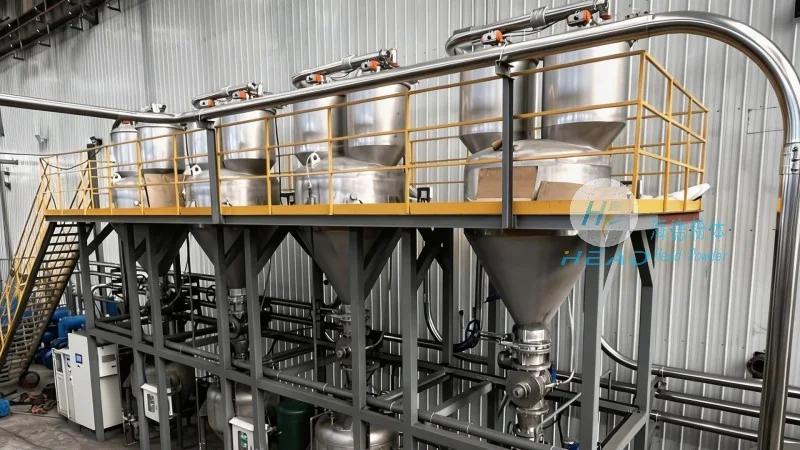
Key Components of Pneumatic Conveying Systems for Rice Grains
The pneumatic conveying system for rice grains typically consists of several critical components that work in tandem to facilitate the movement of the product. The primary components include the material feeder, which is responsible for feeding the rice grains into the system at a controlled rate. This component is crucial for maintaining consistent flow and preventing blockages. The feeder is often equipped with a hopper and a rotary valve or a screw feeder to ensure a steady supply of material.
Next, the conveying line, which can be either a positive pressure or negative pressure system, is the core of the transport mechanism. In a positive pressure system, air is blown through the pipeline, carrying the rice grains forward. This method is suitable for long-distance and high-capacity transport. The pipeline is usually made of stainless steel or other corrosion-resistant materials to maintain the quality and hygiene of the rice grains. The system may include multiple bends and straight sections, with appropriate fittings and valves to control the flow direction and pressure.
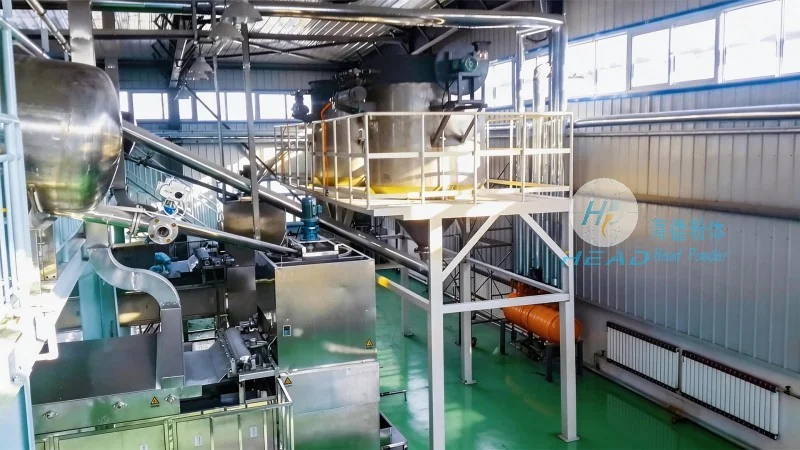
A critical component in the system is the air separation and cleaning unit. This unit is designed to separate the rice grains from the air stream and clean the air before it is discharged or recirculated. The separation process often involves cyclones or filters, which help in removing dust and other particles from the air. The separated rice grains are then collected in a receiving hopper or directly into the processing equipment. The air, after being cleaned, may be filtered and returned to the system to reduce energy consumption and operational costs.
Operational Principles of Pneumatic Conveying Systems
The operational principle of a pneumatic conveying system for rice grains is based on the use of air as the conveying medium. The system can operate under either positive pressure or negative pressure, depending on the specific requirements of the application. In a positive pressure system, a blower or a fan generates the necessary air pressure to push the rice grains through the pipeline. The air velocity is carefully controlled to ensure that the rice grains are carried without causing damage or degradation. The system is designed to maintain a consistent air flow rate, which is essential for preventing material degradation and ensuring efficient transport.
In a negative pressure system, the air is drawn out of the pipeline, creating a vacuum that pulls the rice grains into the system. This method is often used for short-distance transport or when the system is integrated with existing facilities. The negative pressure system is generally more suitable for handling fine or dusty materials, as it helps in controlling dust emissions. However, it may require more powerful vacuum pumps and may have higher energy consumption compared to positive pressure systems.
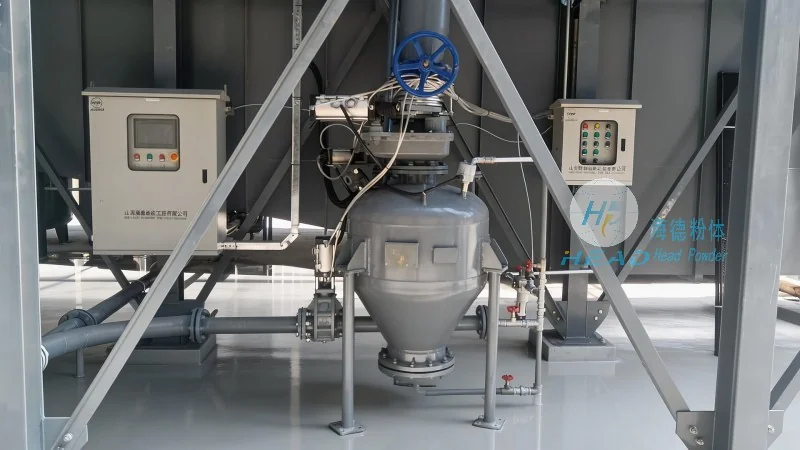
The system's performance is influenced by several factors, including the particle size and density of the rice grains, the air velocity, and the pipeline diameter. Proper design and sizing of the components are essential to ensure that the system operates efficiently and safely. The material feeder must be sized to match the conveying capacity, and the pipeline must be designed to handle the required flow rates without causing excessive pressure drops or material buildup.
Advantages of Pneumatic Conveying Systems for Rice Grain Handling
Pneumatic conveying systems offer several advantages over traditional mechanical conveying methods for rice grain handling. One of the key advantages is the ability to transport the product in a closed system, which helps in maintaining hygiene and preventing contamination. The closed system also reduces dust emissions, which is important for environmental compliance and worker safety. Additionally, the system can handle a wide range of particle sizes and shapes, making it suitable for various types of rice grains, including whole grains, broken grains, and even bran.
Another advantage is the flexibility of the system, which allows for easy integration with existing processing lines. The system can be customized to meet specific operational requirements, such as varying flow rates or transport distances. The use of stainless steel components ensures durability and resistance to corrosion, which is essential for handling food products. The system also reduces labor costs by automating the material transport process, allowing workers to focus on other tasks.
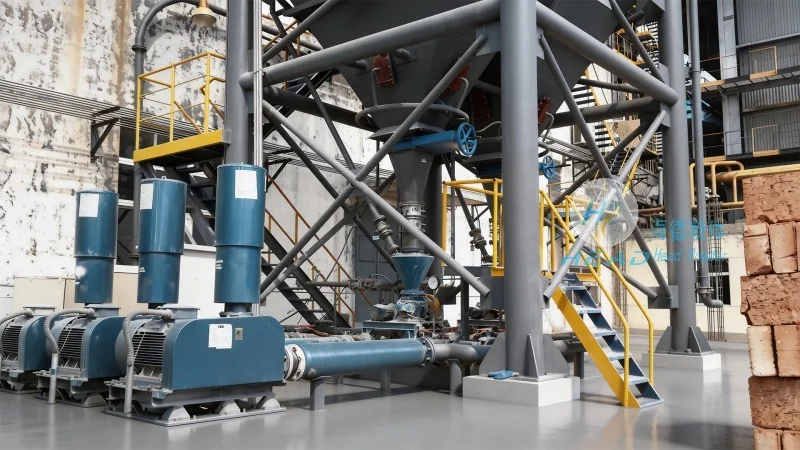
Furthermore, pneumatic conveying systems are energy-efficient compared to other transport methods, especially when the system is designed to recirculate the air. The closed-loop operation minimizes energy losses and reduces the overall operational costs. The system also provides better control over the material flow, which helps in maintaining product quality and preventing damage. Overall, the pneumatic conveying system is an effective solution for the efficient and hygienic handling of rice grains, contributing to the productivity and quality of the rice processing industry.
About HeadPowder Engineering Co., Ltd.
HeadPowder Engineering Co., Ltd., headquartered in Shandong, China, is a professional manufacturer and supplier of material handling equipment. The company specializes in the design, development, and production of pneumatic conveying systems, as well as other related equipment for the food processing industry. With years of experience and a commitment to quality, HeadPowder has established itself as a trusted partner in providing reliable and efficient material handling solutions. The company's products are designed to meet the specific needs of its clients, ensuring optimal performance and durability. HeadPowder's team of engineers and technicians work closely with clients to understand their requirements and provide customized solutions that enhance their operational efficiency and product quality.