

Activated Carbon Pneumatic Conveying Equipment: An Overview of Structure and Working Principle
Activated carbon is widely used in various industrial processes for its excellent adsorption properties, and the efficient transportation of activated carbon is crucial for the smooth operation of these processes. Pneumatic conveying systems have emerged as a reliable method for transporting activated carbon, offering advantages such as low energy consumption, minimal product contamination, and the ability to handle fine powders. This article provides an overview of the structure and working principle of activated carbon pneumatic conveying equipment, highlighting the key components and operational mechanisms that enable effective material transport.
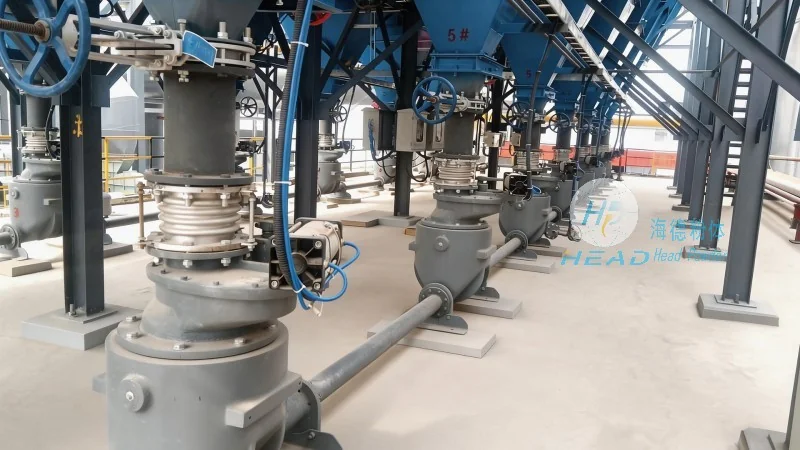
Company Profile: Shandong HeadPowder Engineering Co., Ltd.
Shandong HeadPowder Engineering Co., Ltd., commonly known as headpowder, is a professional manufacturer and supplier of pneumatic conveying equipment. With a strong focus on innovation and quality, the company has established itself as a leading provider in the industry. Headpowder specializes in designing and manufacturing customized solutions for various material handling needs, including activated carbon transportation. The company's commitment to technological advancement and customer satisfaction has enabled it to deliver high-performance equipment that meets the stringent requirements of modern industrial applications.
Key Components of Activated Carbon Pneumatic Conveying Equipment
The activated carbon pneumatic conveying system typically consists of several essential components that work in tandem to ensure efficient material transport. The primary components include the hopper, feeder, air compressor, conveying pipeline, and receiver. Each component plays a critical role in the overall operation of the system.
The hopper is the storage vessel where activated carbon is loaded before transportation. It is designed to maintain a consistent material level and prevent spillage. The feeder, often a rotary valve or a screw feeder, regulates the flow of activated carbon from the hopper into the conveying pipeline. This component ensures a controlled and steady supply of material, preventing blockages and maintaining system efficiency.
The air compressor is the heart of the pneumatic conveying system, responsible for generating the necessary air pressure to move the activated carbon particles through the pipeline. The choice of compressor type, such as positive displacement or centrifugal, depends on the specific application requirements, including the material's properties and the required conveying distance. The air compressor is connected to the conveying pipeline via a filter and regulator to ensure clean and stable air supply.
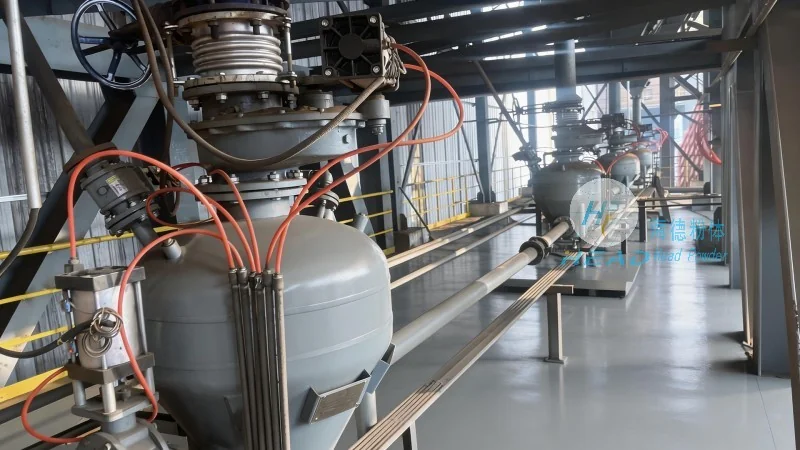
The conveying pipeline is a network of pipes that transports the activated carbon particles. The design of the pipeline, including the diameter, length, and bends, is critical to minimize pressure drop and prevent material deposition. The pipeline is usually made of corrosion-resistant materials, such as stainless steel, to withstand the chemical properties of activated carbon and ensure long-term durability.
The receiver is the final destination where the transported activated carbon is deposited. It is designed to collect the material and prevent dust emissions. The receiver may include a dust collection system, such as a cyclone or a bag filter, to capture any airborne particles and maintain a clean working environment.
Working Principle of Activated Carbon Pneumatic Conveying
The operation of the activated carbon pneumatic conveying system involves several steps that ensure the efficient transport of material. The process begins with the loading of activated carbon into the hopper. The feeder then regulates the flow of material into the conveying pipeline. Simultaneously, the air compressor generates high-pressure air, which is introduced into the pipeline.
As the air flows through the pipeline, it creates a flow of air and activated carbon particles. The particles are suspended in the air stream and transported to the receiver. The velocity of the air and the particle size determine the conveying velocity and the system's capacity. Proper design of the pipeline and the air flow rate is essential to maintain the particle suspension and prevent deposition.
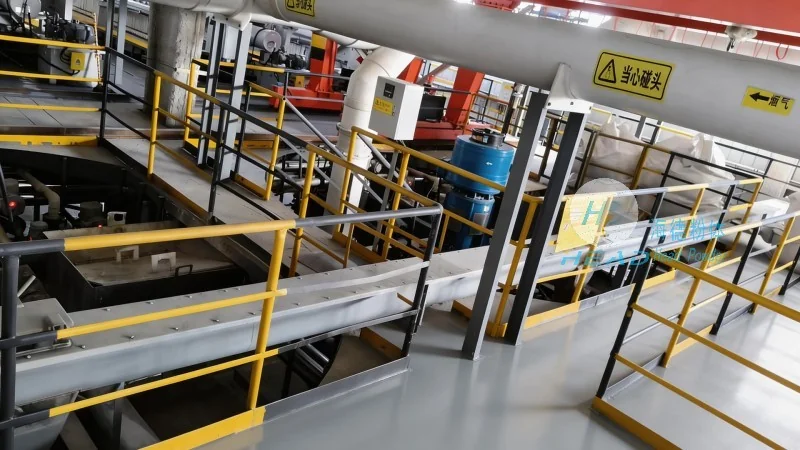
During the conveying process, the air and activated carbon mixture passes through various components, including bends and valves. The design of these components is crucial to minimize pressure losses and maintain the stability of the material flow. The receiver collects the activated carbon, and the air is typically filtered and recycled back to the compressor to conserve energy and reduce operational costs.
Advantages of Activated Carbon Pneumatic Conveying Equipment
Activated carbon pneumatic conveying equipment offers several advantages over traditional material handling methods. One of the key benefits is the ability to handle fine powders without the need for mechanical contact, which prevents product contamination and degradation. The system also provides a closed environment, reducing dust emissions and improving workplace safety. Additionally, pneumatic conveying systems are energy-efficient, as they use compressed air to transport material, minimizing the need for additional mechanical components.
Another advantage is the flexibility of the system, which allows for easy integration with existing industrial processes. The equipment can be customized to meet specific application requirements, including conveying distance, material flow rate, and particle size. This adaptability makes it suitable for a wide range of industries, such as chemical, pharmaceutical, and environmental treatment.
Applications in Industrial Processes
Activated carbon pneumatic conveying equipment is widely used in various industrial applications where activated carbon is a critical component. In the chemical industry, it is used for the transportation of activated carbon used in adsorption processes, such as water treatment and air purification. The pharmaceutical industry utilizes this equipment for the handling of activated carbon used in drug manufacturing and purification processes. Additionally, in the environmental sector, the system is employed for the transportation of activated carbon used in wastewater treatment and pollution control.
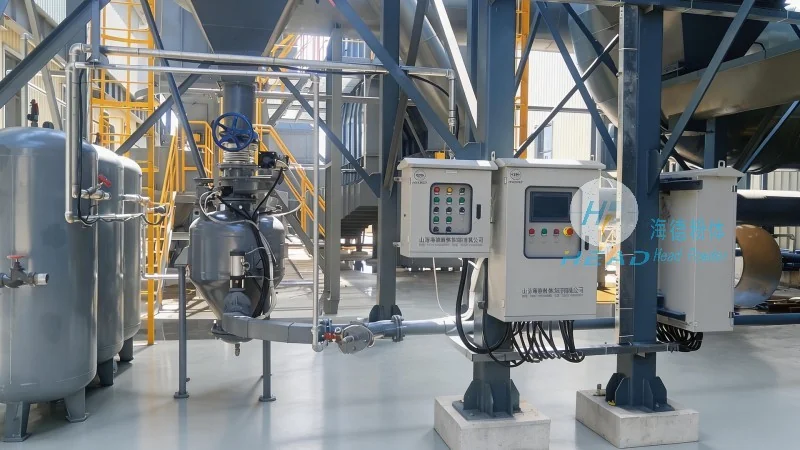
The equipment's ability to handle fine powders and maintain product quality makes it ideal for applications where contamination and degradation are unacceptable. The closed system design also ensures compliance with environmental regulations, reducing the risk of dust emissions and improving overall operational efficiency.
Maintenance and Operational Considerations
Proper maintenance of activated carbon pneumatic conveying equipment is essential to ensure its long-term performance and reliability. Regular inspection of components, such as the hopper, feeder, and pipeline, is necessary to detect any signs of wear or damage. The air compressor and filters should be checked and maintained regularly to ensure optimal performance and prevent air contamination.
Operational considerations also play a crucial role in the efficient operation of the system. The flow rate of activated carbon and the air pressure should be monitored and adjusted as needed to maintain the desired conveying velocity. The system should be started and stopped gradually to prevent pressure surges and equipment damage. Additionally, the use of appropriate filters and dust collection systems is essential to maintain a clean working environment and prevent material buildup in the pipeline.
Conclusion
Activated carbon pneumatic conveying equipment is a vital component in the efficient handling of activated carbon in various industrial processes. The system's design, which includes key components such as the hopper, feeder, air compressor, and pipeline, enables the reliable transport of fine powders with minimal contamination and energy consumption. Shandong HeadPowder Engineering Co., Ltd. provides high-quality pneumatic conveying solutions tailored to the specific needs of industrial applications, ensuring optimal performance and customer satisfaction.