

Introduction to Pyrolytic Carbon Pneumatic Conveying Equipment: Structure and Working Principle
Pyrolytic carbon, a high-performance material widely used in various industrial applications, requires efficient and reliable handling systems to ensure smooth material transport. The pneumatic conveying equipment designed for pyrolytic carbon plays a crucial role in modern material processing, offering a solution that combines efficiency, safety, and precision. This article provides an overview of the pyrolytic carbon pneumatic conveying equipment, detailing its structural components and operational principles to help users understand its functionality and benefits.
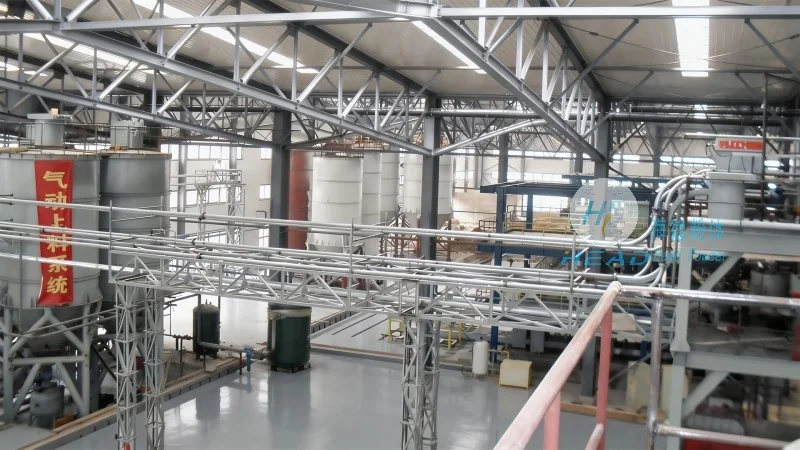
Overview of Pyrolytic Carbon Pneumatic Conveying Equipment
Pyrolytic carbon, also known as graphitic carbon, is a material produced through the thermal decomposition of organic compounds at high temperatures. It is characterized by its high electrical conductivity, thermal stability, and resistance to chemical corrosion, making it ideal for applications in batteries, electrodes, and other high-tech industries. The pneumatic conveying system for pyrolytic carbon is engineered to handle this material with minimal loss and maximum efficiency, addressing the unique challenges associated with its fine particle size and abrasive nature.
Key Structural Components of the Pneumatic Conveying System
The pyrolytic carbon pneumatic conveying equipment typically consists of several core components that work in tandem to achieve effective material transport. These components include the hopper, which serves as the material storage and feeding unit; the air compressor or blower, responsible for generating the necessary air pressure to move the material; the conveying pipeline, which transports the material from the source to the destination; and the control system, which regulates the flow and pressure to maintain optimal operation. Each component is designed with precision to ensure compatibility with pyrolytic carbon's properties, minimizing the risk of material degradation or equipment damage.
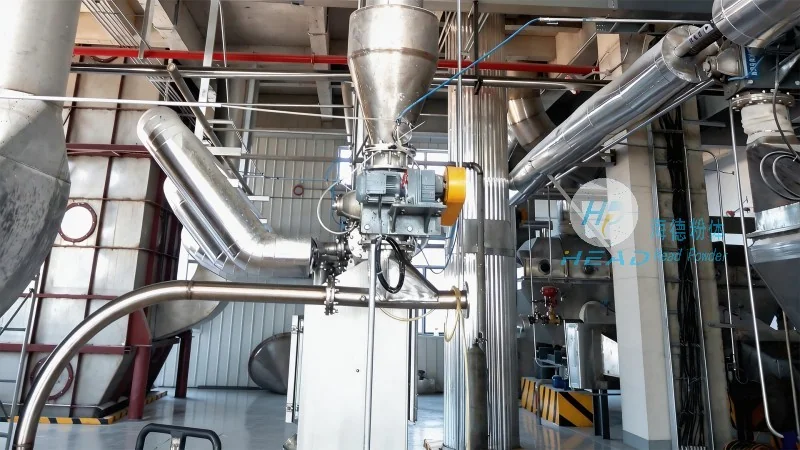
Working Principle of the Pneumatic Conveying System
The operation of the pyrolytic carbon pneumatic conveying system is based on the principle of air flow and particle suspension. When the air compressor starts, it generates a high-pressure air stream that enters the conveying pipeline. The material from the hopper is then introduced into the pipeline, where the air flow lifts and transports the particles. The velocity of the air is carefully controlled to maintain a stable suspension of the pyrolytic carbon particles, preventing blockages and ensuring consistent flow. The system's design allows for both positive and negative pressure operation, providing flexibility in different industrial settings. The control system continuously monitors the pressure and flow rates, adjusting the air supply as needed to maintain optimal conveying conditions.
Advantages of Using Pneumatic Conveying for Pyrolytic Carbon
Compared to traditional mechanical conveying methods, the pneumatic conveying system offers several advantages for handling pyrolytic carbon. It eliminates the need for moving parts in contact with the material, reducing wear and tear and minimizing the risk of contamination. The system is also capable of transporting materials over long distances and through complex layouts, making it suitable for large-scale industrial applications. Additionally, the enclosed pipeline design ensures that the material remains contained, preventing dust emissions and maintaining a clean working environment. The efficiency of the system in terms of energy consumption and material throughput also contributes to its cost-effectiveness in the long run.
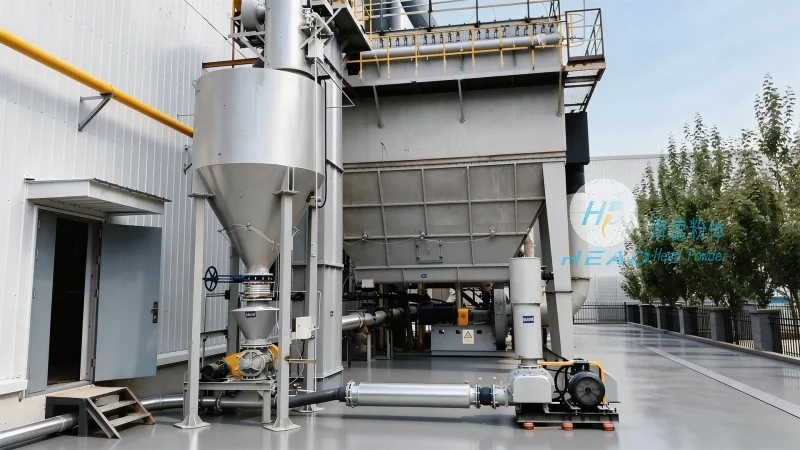
Application Scenarios and Industrial Integration
The pyrolytic carbon pneumatic conveying equipment is widely used in various industrial sectors, including battery manufacturing, electrode production, and material processing facilities. In battery production, for example, the equipment is used to transport pyrolytic carbon powders to the mixing and molding stages, ensuring uniform distribution and high-quality product output. In electrode manufacturing, the system helps in delivering the material to the coating and pressing processes, enhancing production efficiency and product consistency. The equipment's adaptability allows it to be integrated into existing production lines with minimal modifications, making it a practical solution for industries seeking to upgrade their material handling capabilities.
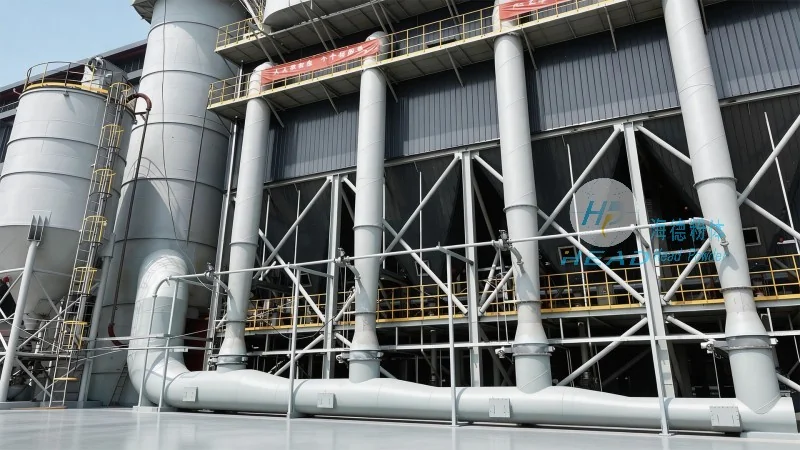
Maintenance and Operational Considerations
To ensure the longevity and optimal performance of the pyrolytic carbon pneumatic conveying equipment, regular maintenance is essential. This includes checking the air compressor for proper operation, cleaning the conveying pipeline to prevent blockages, and inspecting the hopper and control system for any signs of wear or damage. The system's design incorporates features that facilitate maintenance, such as easy access to components and removable parts. Additionally, operators should be trained to monitor the system's performance and address any issues promptly to avoid downtime. By following proper maintenance procedures, users can maximize the equipment's lifespan and maintain its efficiency in handling pyrolytic carbon.
Conclusion
In conclusion, the pyrolytic carbon pneumatic conveying equipment is a sophisticated and efficient solution for handling this high-performance material. Its structural design and operational principles are tailored to address the unique challenges of pyrolytic carbon, ensuring reliable and safe material transport. The equipment's advantages, including minimal contamination, long-distance transport capability, and energy efficiency, make it a preferred choice for industries requiring high-quality material handling. As the demand for pyrolytic carbon continues to grow, the importance of reliable conveying systems becomes increasingly significant, and the equipment from Shandong HeadPowder Engineering Co., Ltd. stands out as a trusted solution for meeting these needs.