

Introduction to Cellulose Pneumatic Conveying Equipment: Structure and Working Principles
Cellulose pneumatic conveying equipment is a specialized system designed for the efficient transport of cellulose-based materials, such as paper pulp, wood fibers, and other fibrous substances. This technology plays a crucial role in various industrial processes, including paper manufacturing, textile production, and biomass processing. The equipment ensures safe, clean, and low-maintenance material handling, making it an essential component in modern industrial operations.
Company Profile: Shandong HeadPowder Engineering Co., Ltd.
Headpowder, the brand under Shandong HeadPowder Engineering Co., Ltd., specializes in the design, manufacturing, and supply of advanced pneumatic conveying solutions. With a strong presence in China, particularly in Shandong, the company leverages years of expertise to deliver high-quality equipment tailored to the unique needs of cellulose material handling. The company’s commitment to innovation and customer satisfaction has established it as a trusted partner in the industry.
Key Components of Cellulose Pneumatic Conveying Systems
The core structure of a cellulose pneumatic conveying system typically includes several critical components that work in harmony to achieve effective material transport. These components are engineered to handle the specific physical properties of cellulose materials, ensuring optimal performance and reliability.
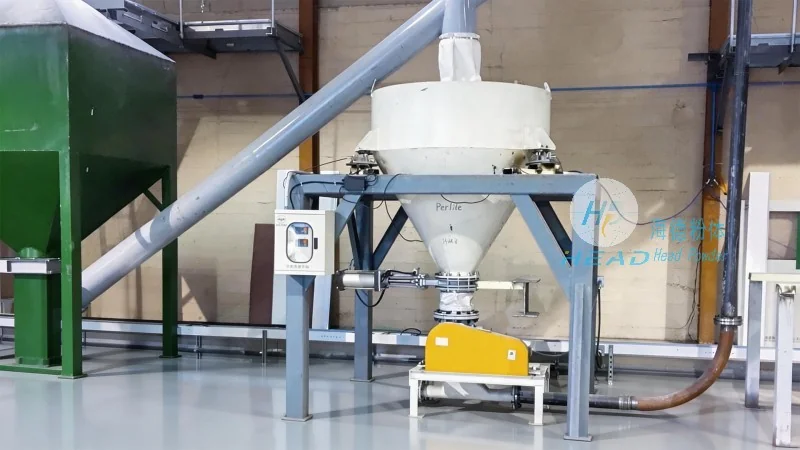
Firstly, the feeding system is responsible for introducing the cellulose material into the conveying line. This may involve hoppers, rotary valves, or screw feeders, which control the flow rate and prevent blockages. The design of the feeding equipment is crucial to maintain consistent material feed and avoid air leakage, which could compromise the conveying efficiency.
Secondly, the conveying pipeline forms the main pathway for transporting the material. The pipeline is usually made of durable materials like stainless steel or corrosion-resistant alloys to withstand the abrasive nature of cellulose fibers. The pipeline layout, including bends and vertical sections, is carefully designed to minimize pressure losses and prevent material deposition. In some systems, flexible hoses are used for flexible connections, allowing for easier installation and maintenance.
Thirdly, the air source system provides the necessary airflow to move the material through the pipeline. This system typically includes a blower or compressor, which generates the required air pressure. The air source is often equipped with filters and moisture control devices to ensure clean air and prevent contamination of the cellulose material. The selection of the air source depends on the specific conveying requirements, such as the distance, material volume, and system pressure.
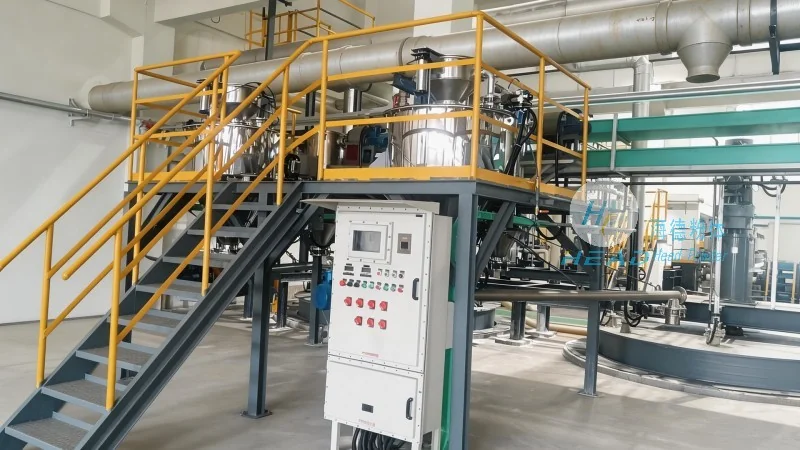
Fourthly, the control system manages the operation of the entire conveying process. This includes sensors for monitoring pressure, flow, and material level, as well as control valves and actuators to regulate the airflow and feeding rate. The control system may also incorporate safety features, such as emergency shut-off valves, to prevent accidents and protect the equipment and personnel.
Working Principles of Cellulose Pneumatic Conveying
The operation of cellulose pneumatic conveying equipment is based on the principle of transporting solid particles suspended in a moving air stream. There are two primary types of pneumatic conveying systems: aspiration (or suction) systems and pressure (or blow) systems. The choice between these systems depends on the application requirements, such as the distance of material transport and the nature of the material.
In an aspiration system, the material is drawn into the conveying line using a vacuum created by a fan or blower. The air flow is directed from the material source to the receiver, and the material is carried along with the air stream. This type of system is suitable for short-distance transport and handling of light materials. The key advantage of aspiration systems is their ability to handle materials at low pressures, reducing energy consumption and equipment costs.
Conversely, a pressure system uses a blower or compressor to force air into the conveying line, pushing the material forward. This system is ideal for longer distances and handling heavier or more abrasive materials. The pressure system typically operates at higher pressures, which can increase the conveying capacity but also requires more robust equipment and higher energy input.
The fundamental process involves creating a gas-solid mixture where the cellulose particles are suspended in the air stream. The air velocity must be sufficient to overcome the gravitational forces and frictional resistance of the particles, ensuring stable transport. The design of the system, including the air velocity and pressure, is critical to prevent material deposition or blockages in the pipeline. Proper maintenance and monitoring of the system parameters are essential to maintain optimal performance and avoid operational issues.
Applications and Benefits of Cellulose Pneumatic Conveying
Cellulose pneumatic conveying equipment is widely used in various industries due to its versatility and efficiency. In the paper industry, for example, it is used to transport paper pulp from storage silos to processing machines, ensuring a continuous and clean supply of raw material. The equipment helps maintain the quality of the pulp by preventing contamination and moisture loss.
In textile manufacturing, the system is employed to handle wood fibers or other fibrous materials used in the production of fabrics. The pneumatic conveying ensures that the fibers are transported without damage, preserving their integrity for further processing. The low-maintenance nature of the equipment reduces downtime and operational costs, making it a cost-effective solution for fiber handling.
Another significant benefit of cellulose pneumatic conveying is its ability to handle materials in a dust-free environment. Unlike traditional mechanical conveyors, which can generate dust and cause health hazards, pneumatic systems keep the material enclosed, reducing the risk of airborne particles and improving workplace safety. This is particularly important for handling cellulose materials, which can be fine and easily airborne.
The equipment also offers flexibility in system design, allowing for custom configurations to meet specific industrial needs. Whether for short or long-distance transport, the system can be adapted to handle varying material volumes and types. The use of advanced materials and engineering in the construction of the equipment ensures durability and long service life, reducing the need for frequent replacements and maintenance.
Conclusion and Company Contact Information
Cellulose pneumatic conveying equipment, as exemplified by the solutions from Shandong HeadPowder Engineering Co., Ltd., represents a sophisticated and efficient method for handling cellulose-based materials. The combination of robust design, advanced components, and expert engineering ensures reliable performance and optimal material transport. With a strong presence in China and a commitment to quality, Headpowder continues to provide innovative solutions that meet the evolving needs of the industry. For more information or inquiries about cellulose pneumatic conveying systems, please contact the company at its location in Shandong, China.