

Introduction to the Structure and Working Principle of a Calcined Sand Pneumatic Conveying Machine
Calcined sand pneumatic conveying machines are essential equipment in industrial processing, particularly for the efficient handling and transportation of calcined sand. This article provides an overview of the key components, operational principles, and structural design of such machines, highlighting their role in enhancing material handling efficiency in various industrial applications.
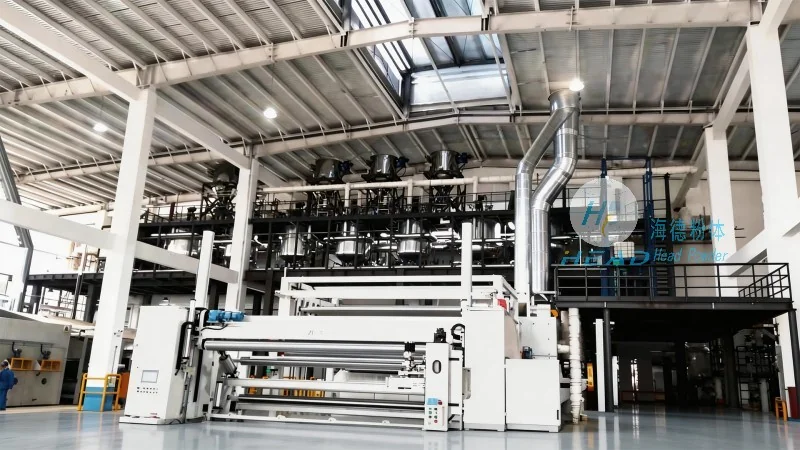
Overview of Calcined Sand Pneumatic Conveying Machines
Calcined sand, a crucial material in many industrial processes, requires reliable and efficient transportation systems to ensure smooth production workflows. Pneumatic conveying machines offer a solution by utilizing air pressure to move calcined sand from one location to another without the need for mechanical components like belts or buckets. This method not only reduces maintenance costs but also minimizes material contamination, making it ideal for applications where product purity is critical.
Key Structural Components
The calcined sand pneumatic conveying machine consists of several critical components that work in tandem to achieve effective material transport. These include the hopper, which serves as the material inlet, the air compressor or blower that generates the necessary air pressure, the pipeline system that conveys the material, and the discharge outlet where the material is released. Each component is designed to withstand the specific demands of calcined sand, ensuring durability and long-term performance.
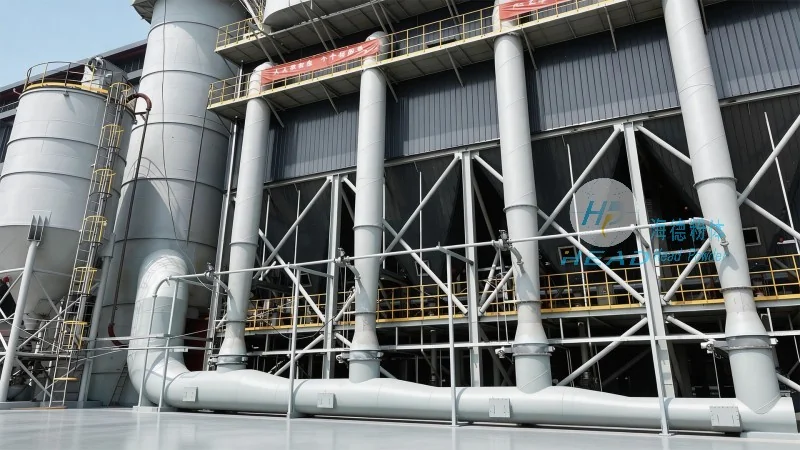
Working Principle of the Pneumatic Conveying System
The operation of a calcined sand pneumatic conveying machine is based on the principle of air pressure and flow. When the machine is activated, the air compressor generates high-pressure air that is introduced into the pipeline system. Simultaneously, calcined sand is fed into the hopper, where it is entrained by the moving air stream. The air-sand mixture travels through the pipeline to the discharge point, where the air is separated from the material, typically using a cyclone separator or a filter. The separated air is then recirculated back to the system, while the calcined sand is collected for further processing.
Advantages of Using Pneumatic Conveying for Calcined Sand
Employing a pneumatic conveying system for calcined sand offers several advantages over traditional mechanical conveying methods. Firstly, it eliminates the need for physical contact between the material and machinery, reducing wear and tear and extending the lifespan of the equipment. Secondly, it provides a more hygienic and clean operation, as the material is not exposed to external contaminants. Thirdly, the system allows for precise control over the flow rate and pressure, enabling better management of the material handling process. Additionally, the compact design of these machines makes them suitable for installation in limited spaces, optimizing factory layouts.
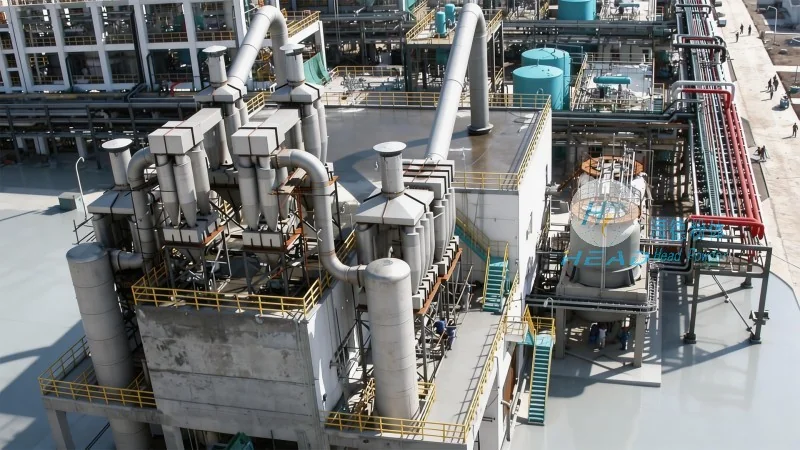
Applications in Industrial Settings
Calcined sand pneumatic conveying machines are widely used in various industrial sectors, including the glass manufacturing industry, where calcined sand is a key raw material for glass production. They are also utilized in the construction industry for transporting sand-based materials, and in chemical processing plants for handling calcined sand used in chemical reactions. The versatility of these machines makes them adaptable to different industrial needs, ensuring efficient material transport in diverse environments.
Conclusion
In conclusion, calcined sand pneumatic conveying machines represent a sophisticated solution for the efficient handling and transportation of calcined sand. With their robust structural design and efficient operational principles, these machines enhance productivity and reduce operational costs in industrial settings. As a leading manufacturer in this field, Shandong HeadPowder Engineering Co., Ltd. specializes in providing high-quality pneumatic conveying systems tailored to the specific requirements of calcined sand applications, ensuring reliable and effective material handling solutions for industries worldwide.