

Introduction to Grain Pneumatic Conveyors: Structure and Working Principles
Grain pneumatic conveyors are essential equipment in the agricultural and food processing industries, designed to efficiently transport bulk materials like grains, seeds, and powders. These systems utilize air pressure or vacuum to move materials through a pipeline network, offering advantages such as low maintenance, minimal product damage, and the ability to handle a wide range of materials. The core components and operational principles of these conveyors are crucial for understanding their functionality and application in various industrial settings.
Key Structural Components of Grain Pneumatic Conveyors
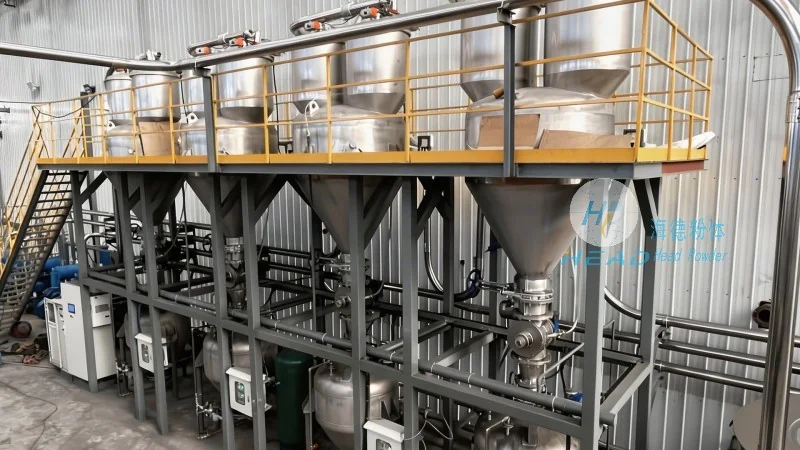
At the heart of a grain pneumatic conveyor system are several critical components that work in tandem to ensure smooth material transport. The main parts include the hopper, which serves as the material storage and feeding unit; the conveyor line, typically made of metal or plastic pipes, which carries the material through the system; the air compressor or vacuum pump, which generates the necessary air pressure or vacuum to move the material; and the control system, which regulates the flow and pressure to maintain optimal operation. Additionally, accessories such as cyclones, filters, and silos are often integrated to enhance the system's efficiency and safety.
Working Principle of Grain Pneumatic Conveyors
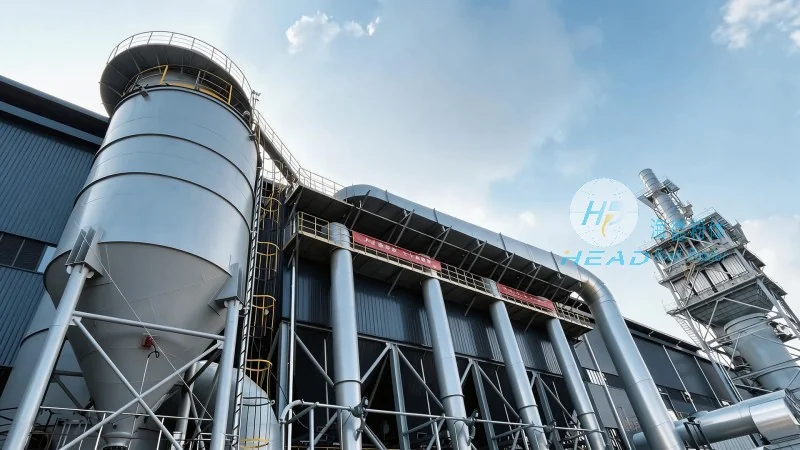
The operation of a grain pneumatic conveyor relies on the principles of fluid dynamics and air movement. In a typical system, material is fed from the hopper into the conveyor line. Simultaneously, the air compressor generates high-pressure air that is introduced into the line. As the air flows through the pipe, it creates a low-pressure zone that draws the material particles along with it, forming a dense mixture known as a "slurry." This mixture is then transported through the pipeline to the discharge point. At the end of the line, a cyclone or separator separates the material from the air, allowing the material to be collected in a silo or storage bin while the air is either recirculated or vented. The control system continuously monitors parameters like pressure, flow rate, and material level to adjust the operation and prevent issues such as blockages or overloading.
Applications and Benefits of Grain Pneumatic Conveyors
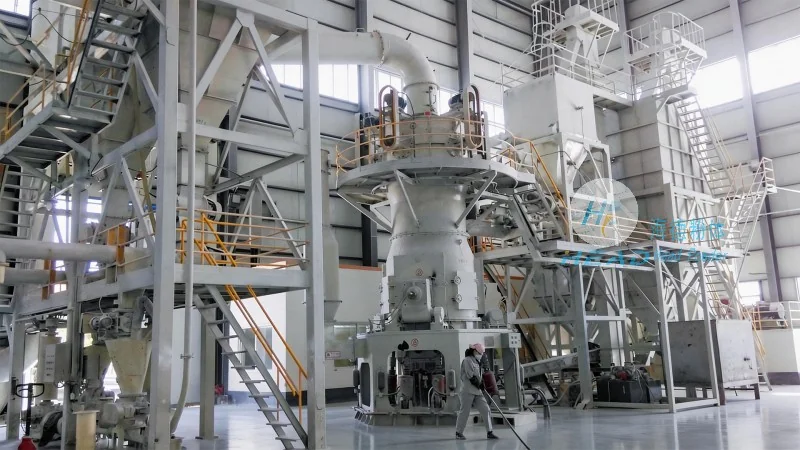
Grain pneumatic conveyors are widely used in various industries due to their versatility and efficiency. In the agricultural sector, they are employed for transporting harvested grains from fields to storage facilities or processing plants. In food processing, these systems are used to move ingredients like flour, cornmeal, and seeds between different stages of production, ensuring a consistent and hygienic flow of materials. The benefits of using pneumatic conveyors include reduced labor costs, minimized product damage (as the material is not subjected to mechanical friction), and the ability to handle materials with varying moisture content and particle sizes. Furthermore, these systems can be designed for both horizontal and vertical transport, making them suitable for complex layouts and multi-level facilities.
Company Profile: Shandong HeadPowder Engineering Co., Ltd.
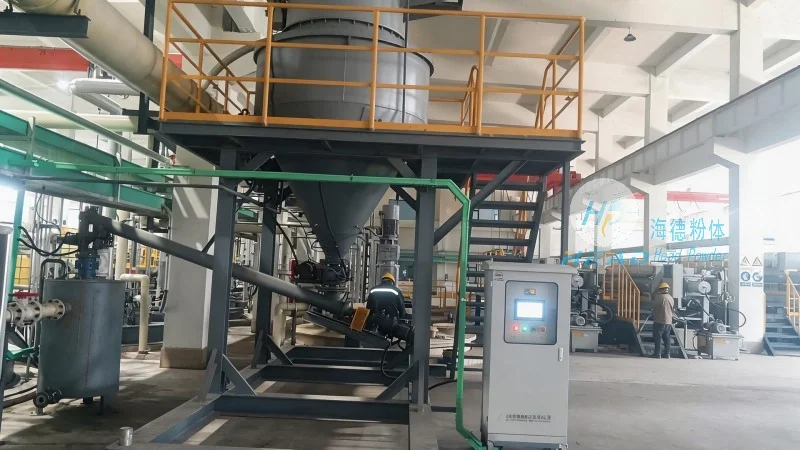
HeadPowder, a leading manufacturer of grain processing equipment, specializes in the design, production, and supply of high-quality pneumatic conveyor systems. With a strong presence in the industry, HeadPowder has established itself as a trusted partner for businesses seeking reliable and efficient material handling solutions. The company is headquartered in Shandong, China, and leverages advanced technology and rigorous quality control to deliver products that meet international standards. HeadPowder's commitment to innovation and customer satisfaction has made it a preferred choice for clients across the globe, who rely on their equipment to enhance productivity and ensure the quality of their operations.