

Introduction to the Structure and Working Principle of Petroleum Coke Pneumatic Conveying Equipment
Petroleum coke, a byproduct of the petroleum refining process, is widely used in various industrial applications such as steelmaking, power generation, and chemical production. Efficient and reliable transportation of petroleum coke is crucial for industrial operations, and pneumatic conveying systems have emerged as a preferred solution due to their ability to handle bulk materials with minimal maintenance and environmental impact. This article provides an overview of the petroleum coke pneumatic conveying equipment, focusing on its structural components and operational principles.
Key Structural Components of the Pneumatic Conveying System
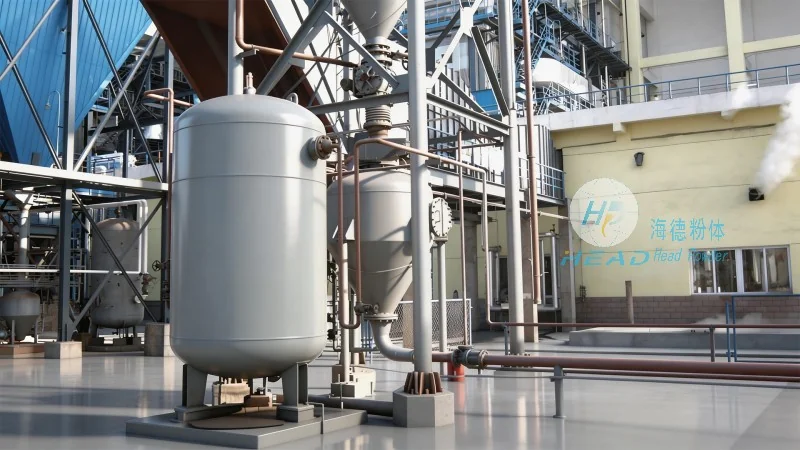
The petroleum coke pneumatic conveying system typically consists of several key components that work in tandem to ensure smooth material transport. The primary components include the hopper, which serves as the material storage and feeding unit; the conveyor line, which can be either positive or negative pressure systems depending on the application; the air compressor or blower, responsible for generating the necessary airflow; and the control valves and regulators that manage the pressure and flow rates. Additionally, the system may incorporate filters and cyclones to separate the coke from the air stream, ensuring clean operation and preventing dust accumulation in the system.
Working Principle of the Pneumatic Conveying Process
The operation of the petroleum coke pneumatic conveying system follows a systematic process. Initially, the petroleum coke is fed into the hopper from a storage silo or truck. The material then flows into the conveyor line under the influence of the air pressure. In a positive pressure system, the air compressor pushes air through the line, carrying the coke particles forward. Conversely, in a negative pressure system, the blower creates a vacuum that draws the coke and air mixture into the line. The material is transported through the pipeline to the destination point, such as a storage silo or processing plant. At the receiving end, the system may use a cyclone separator to separate the coke from the air, allowing the air to be recirculated or vented, while the coke is collected for further use.
Advantages of Using Pneumatic Conveying for Petroleum Coke
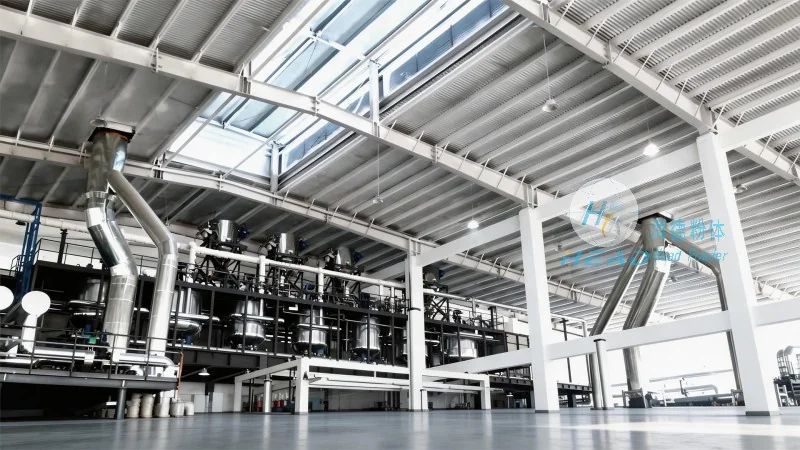
Employing pneumatic conveying for petroleum coke offers several advantages over traditional methods like belt conveyors or trucks. Firstly, it provides a dust-free and enclosed transport environment, reducing the risk of dust exposure and environmental contamination. Secondly, the system is highly flexible, allowing for changes in the transport route without major structural modifications. Thirdly, it minimizes material degradation, as the coke is not subjected to mechanical abrasion during transport. Furthermore, the system can handle varying material flow rates and can be integrated with other industrial processes, enhancing overall operational efficiency.
Applications and Industrial Use Cases
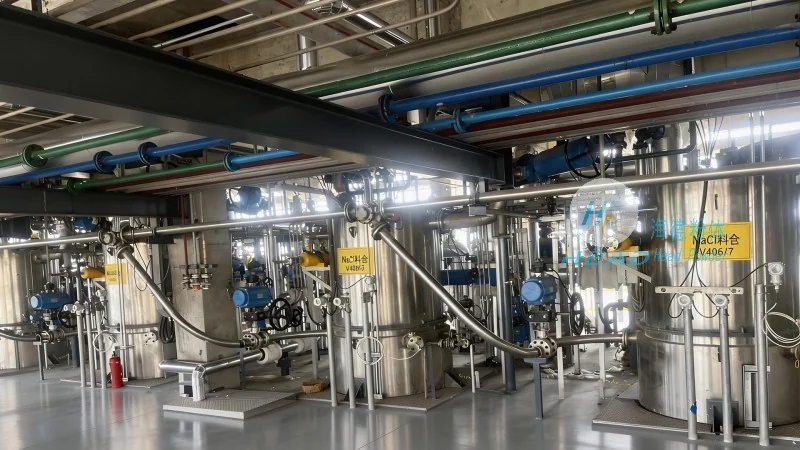
Petroleum coke pneumatic conveying systems are widely used in various industrial sectors. In the steel industry, the equipment is essential for transporting coke to blast furnaces, where it serves as a fuel and reducing agent. In power generation plants, the system delivers coke to boilers for energy production. Additionally, in chemical and petrochemical facilities, the equipment is used to transport coke for further processing or as a raw material in chemical reactions. The versatility of the system makes it suitable for a wide range of applications, ensuring efficient material handling in diverse industrial settings.
Maintenance and Operational Considerations
Proper maintenance is crucial to ensure the longevity and efficiency of the petroleum coke pneumatic conveying system. Regular inspection of the hopper and conveyor line for blockages or wear is essential. The air compressor or blower should be checked for proper airflow and pressure levels. Filters and cyclones must be cleaned or replaced regularly to maintain optimal performance. Additionally, monitoring the system for any signs of air leakage or material buildup helps in early detection of potential issues, preventing costly downtime. By adhering to a regular maintenance schedule, operators can maximize the system's lifespan and minimize operational disruptions.