

Introduction to Pulse Jet Dust Collector and Pneumatic Conveying System Equipment: Structure and Wor
For industrial applications requiring efficient dust collection and material handling, the pulse jet dust collector combined with a pneumatic conveying system represents a robust solution. This article provides an overview of the equipment, focusing on its structural design and operational principles to help users understand its functionality and benefits.
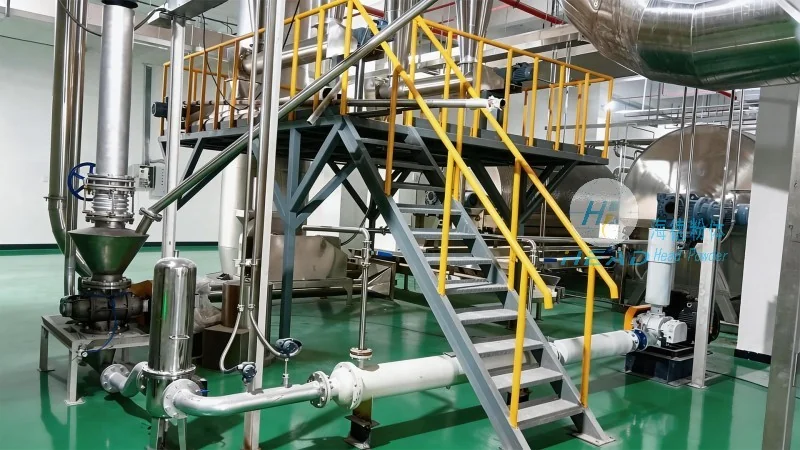
Company Profile: Shandong HeadPowder Engineering Co., Ltd.
HeadPowder, as a professional manufacturer based in Shandong, China, specializes in the research, development, and production of advanced dust collection and material conveying equipment. With years of industry experience, the company has established itself as a reliable partner in providing high-quality solutions for various industrial sectors, including chemical, food processing, and pharmaceutical industries. The company's commitment to innovation and quality ensures that its products meet international standards and customer expectations.
Overview of Pulse Jet Dust Collector
The pulse jet dust collector is a key component in the system, designed to capture and remove airborne particles from industrial processes. It operates on the principle of reverse air pulses, which effectively dislodges dust from the filter media. The collector typically consists of a housing, filter bags, a pulse valve, and a control system. The filter bags are made of durable materials, such as polyester or polypropylene, which can withstand high temperatures and chemical exposure. The pulse valve is responsible for delivering high-pressure air pulses to the filter bags, causing them to vibrate and release accumulated dust. This process ensures that the filter media remains clean and maintains high efficiency in dust collection.
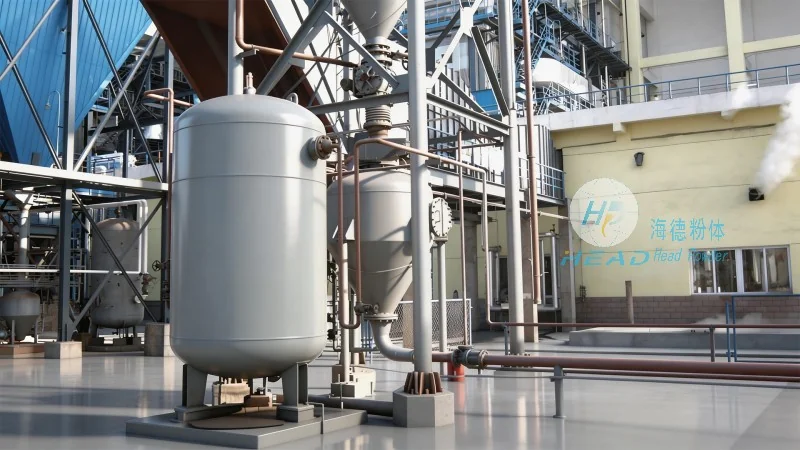
Pneumatic Conveying System Integration
The pneumatic conveying system is integrated with the pulse jet dust collector to transport bulk materials from one location to another within the industrial facility. This system uses compressed air to move powders or granules through a pipeline network. The conveying process is efficient and can handle a wide range of materials, including fine powders, granules, and even wet materials. The system typically includes a hopper, a rotary valve, a conveying line, and a receiver. The rotary valve controls the flow of material from the hopper into the conveying line, while the compressed air provides the necessary force to transport the material. The receiver collects the material at the destination point, completing the conveying process. The integration of the pneumatic conveying system with the dust collector ensures that the material is handled safely and efficiently, minimizing dust emissions and improving overall process control.
Structural Design and Working Principle
The pulse jet dust collector and pneumatic conveying system are designed to work in tandem, providing a comprehensive solution for dust control and material handling. The structural design of the collector is optimized for high efficiency and low maintenance. The housing is constructed from corrosion-resistant materials, such as stainless steel or coated steel, to ensure durability and longevity. The filter bags are arranged in a radial or vertical configuration, allowing for easy access and maintenance. The pulse valve is strategically positioned to deliver the air pulses directly to the filter bags, maximizing the cleaning effect. The control system is equipped with sensors and indicators that monitor the pressure, temperature, and dust levels, providing real-time feedback and ensuring optimal operation.
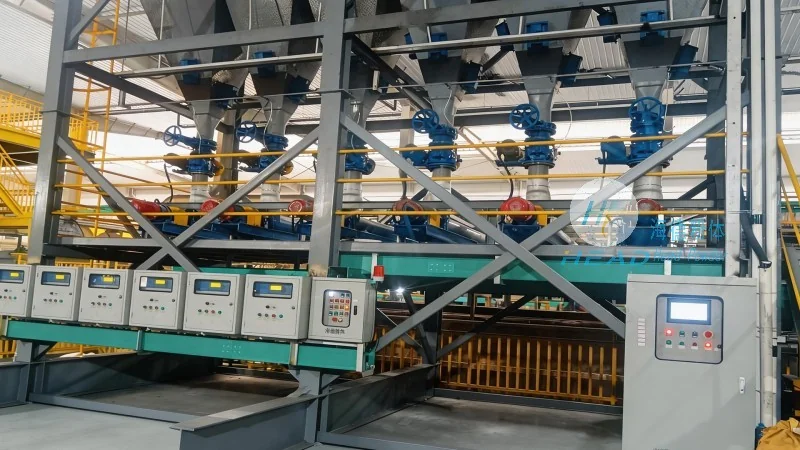
Key Features and Benefits
The combination of the pulse jet dust collector and pneumatic conveying system offers several advantages for industrial applications. Firstly, it provides high dust collection efficiency, with removal rates often exceeding 99% for fine particles. This ensures that the air emissions are within regulatory limits and improves the overall air quality in the workplace. Secondly, the system is energy-efficient, as the pulse jet cleaning process uses minimal air pressure and energy compared to other cleaning methods. Thirdly, the system is low-maintenance, with easy access to filter bags and a simple control system that reduces downtime and maintenance costs. Additionally, the pneumatic conveying system allows for flexible material handling, enabling the transport of materials over long distances without the need for mechanical conveyors. These features make the system suitable for a wide range of industrial applications, from small-scale operations to large-scale production facilities.
Conclusion
In conclusion, the pulse jet dust collector and pneumatic conveying system offered by Shandong HeadPowder Engineering Co., Ltd. is a reliable and efficient solution for industrial dust control and material handling. The system's robust design, advanced technology, and user-friendly operation make it an ideal choice for various industries. By understanding the structural design and working principles of the equipment, users can make informed decisions about its application and benefits. HeadPowder's commitment to quality and innovation ensures that its products continue to meet the evolving needs of the industrial sector, providing sustainable and effective solutions for dust management and material transport.