

Introduction to PTFE (Polytetrafluoroethylene) Conveying Systems and the Advantages of PTFE Pneumati
PTFE (Polytetrafluoroethylene) conveying systems, developed by Shandong HeadPowder Engineering Co., Ltd. (headpowder), are engineered to efficiently handle the transportation of PTFE materials. These systems integrate advanced technology with the unique properties of PTFE, ensuring reliability and efficiency in industrial applications. The following introduction outlines the core design, advantages, and practical applications of PTFE pneumatic conveying systems.
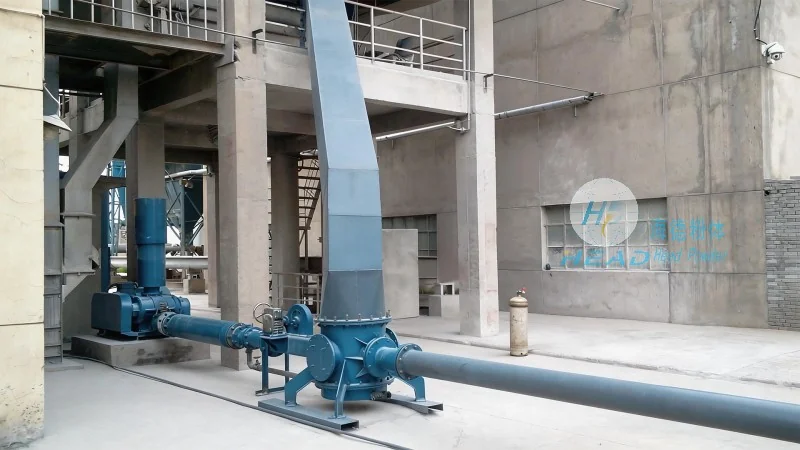
Core Design of PTFE Conveying Systems
PTFE conveying systems from headpowder are specifically designed for processing high-purity, wear-resistant, or chemically sensitive PTFE materials. The modular design facilitates easy installation and maintenance while ensuring stable operation under complex conditions. Key components include conveying pipelines, air source systems, material feeding devices, and control units. All parts are manufactured from corrosion-resistant and wear-resistant PTFE or related composites, matching the material's characteristics and extending equipment lifespan.
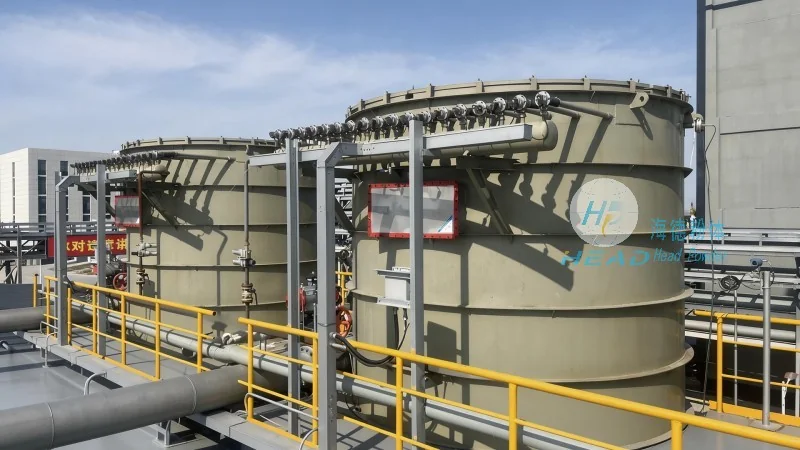
Advantages and Features of PTFE Pneumatic Conveying
PTFE pneumatic conveying technology is a core feature of headpowder's systems, offering significant advantages. First, pneumatic conveying avoids direct contact between materials and equipment, preventing contamination and wear, especially for sensitive PTFE materials. Second, the system achieves a dust-free, leak-free conveying process, aligning with modern industrial environmental and safety standards. Additionally, the system's flexible layout allows adjustment of pipeline routing according to spatial constraints, improving space utilization. The integrated smart control system monitors parameters like pressure, flow rate, and material flow in real-time, ensuring stable and controllable operation while reducing fault rates.
Application Scenarios and Performance
PTFE conveying systems are widely used in industries such as chemicals, electronics, and pharmaceuticals for material handling. For instance, in chemical production, they transport PTFE powders or granules, ensuring material purity and conveying efficiency during production. In the electronics industry, they convey high-purity PTFE materials for manufacturing insulating layers or seals in electronic components. In the pharmaceutical industry, they handle PTFE raw materials compliant with GMP standards, ensuring safety in drug production. In terms of performance, headpowder's systems can process PTFE materials of varying particle sizes, from fine powders to coarse particles, with adjustable conveying capacity ranging from hundreds of kilograms to several tons per hour. The system also features low energy consumption, achieved through optimized air flow and pipeline design, reducing operational costs.
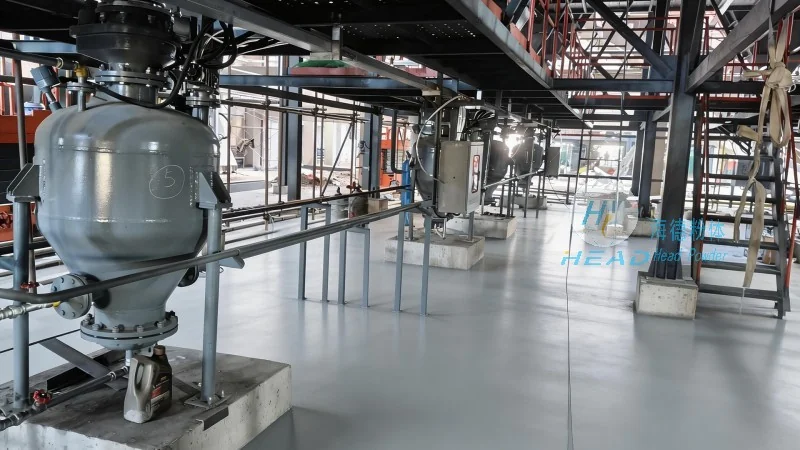
Maintenance and Long-Term Reliability
HeadPowder places great emphasis on the maintenance and long-term reliability of PTFE conveying systems. The system's design allows for easy disassembly of components, enabling regular inspection and replacement of wear parts like seals and filters. Furthermore, the company provides professional technical support and maintenance services, developing maintenance plans based on customer usage to ensure long-term stable operation. PTFE itself offers excellent chemical corrosion resistance and high-temperature tolerance, allowing the conveying system to maintain performance in harsh environments and reducing failures due to material aging or corrosion. Through proper maintenance and material selection, PTFE conveying systems can operate reliably for years, meeting long-term production needs and delivering stable returns on investment for customers.