

Principle and Classification Application of PP Pneumatic Conveying
Shandong HeadPowder Engineering Co., Ltd., a professional manufacturer based in Shandong, China, specializes in the design, development, and supply of advanced pneumatic conveying systems. Our company focuses on providing efficient and reliable solutions for handling polypropylene (PP) materials through pneumatic conveying technology, which is widely used in various industrial sectors.
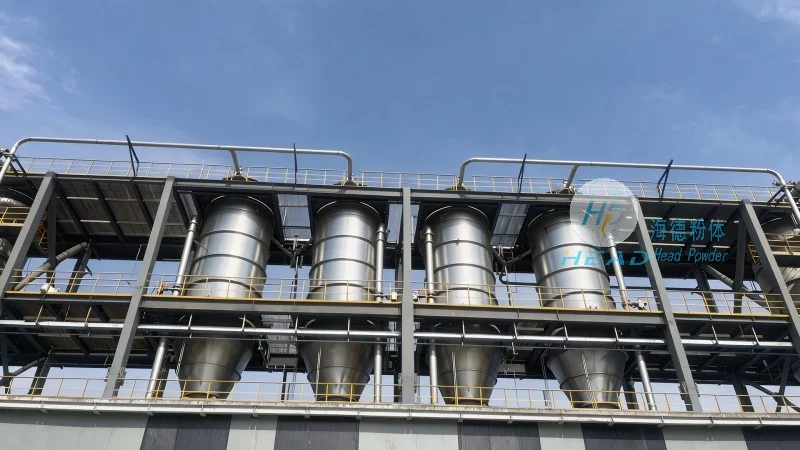
Working Principle of PP Pneumatic Conveying
PP pneumatic conveying operates on the principle of transporting solid particles, such as polypropylene, through a pipeline using a gas stream, typically air or other gases. The process involves several key components and mechanisms that ensure smooth material transport. First, the material is fed into a hopper or feeder, where it is then introduced into the conveying line. A fan or blower generates the necessary air pressure to create a flow of gas that pulls the PP particles along the pipeline. The conveying system can be classified as either pressure or vacuum type, depending on the pressure conditions within the pipeline. In pressure systems, the air is pressurized and forced through the line, while in vacuum systems, the air is drawn from the line to create a negative pressure that pulls the material. The velocity of the gas and the size of the particles are critical factors that determine the efficiency and stability of the conveying process. Proper design of the conveying line, including the diameter, length, and bends, is essential to minimize pressure drop and prevent material degradation or blockages. The use of appropriate valves, filters, and cyclones also plays a vital role in controlling the flow and separating the conveyed material from the air stream.
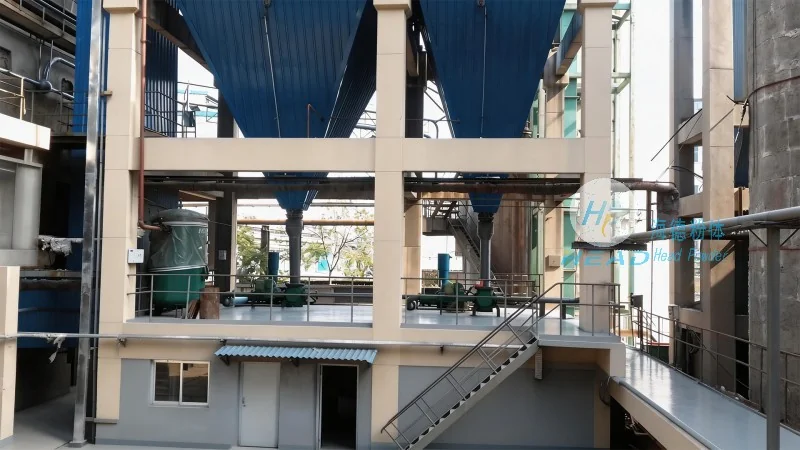
Classification and Application of PP Pneumatic Conveying Systems
PP pneumatic conveying systems are broadly classified into several categories based on their operating principles and applications. The main types include dilute-phase, dense-phase, and hybrid systems. Dilute-phase systems are characterized by low material concentration in the gas stream, typically less than 10% by volume, and are suitable for long-distance transport and high-velocity applications. These systems are commonly used in industries like plastics, chemicals, and food processing, where the material needs to be transported over significant distances without degradation. Dense-phase systems, on the other hand, operate at higher material concentrations, usually between 10% to 50% by volume, and use lower gas velocities to achieve stable and controlled transport. This type of system is ideal for handling sensitive materials that are prone to attrition or degradation, such as fine powders or granules. Hybrid systems combine features of both dilute and dense-phase operations, offering flexibility in handling different material characteristics and conveying requirements. In terms of application, PP pneumatic conveying is widely used in the plastics industry for transporting raw materials, such as PP resin, from storage silos to processing machines. It is also employed in the food and pharmaceutical sectors for handling powdered ingredients, where hygiene and contamination control are critical. Additionally, in the chemical industry, PP pneumatic conveying systems are used to transport various powders and granules, ensuring efficient and safe material handling in production lines.
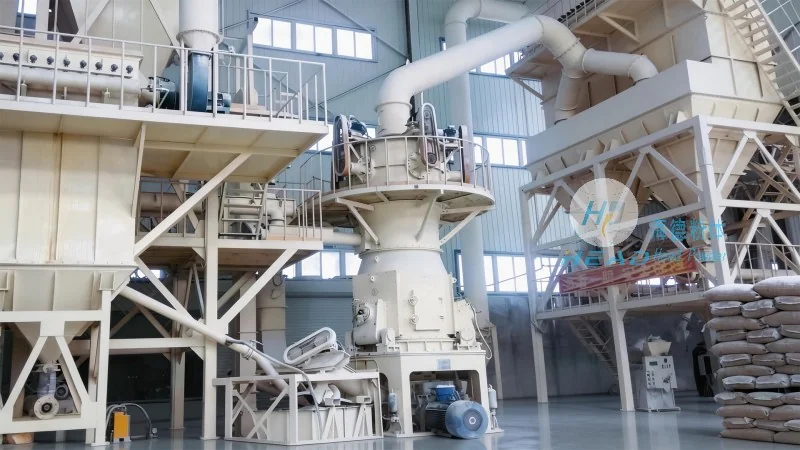
Key Considerations for PP Pneumatic Conveying Systems
When implementing PP pneumatic conveying systems, several key considerations must be taken into account to ensure optimal performance and longevity. Material properties, such as particle size, density, and moisture content, significantly impact the conveying efficiency and system design. For example, fine PP powders may require higher air velocities and more complex line designs to prevent clogging, while larger granules can be conveyed at lower velocities with simpler systems. The choice of air flow rate and pressure is critical, as it directly affects the conveying capacity and energy consumption. Proper maintenance of the system components, including regular cleaning of filters and inspection of valves, is essential to prevent system failures and ensure consistent performance. Additionally, the integration of the conveying system with other production equipment, such as mixers or extruders, must be carefully planned to ensure smooth material flow and minimize downtime. By addressing these considerations, industries can maximize the benefits of PP pneumatic conveying technology, including improved process efficiency, reduced labor costs, and enhanced product quality.