

Silica Powder Pneumatic Conveying: Working Principles and Classification Applications
Silica powder, a critical material in various industrial sectors, often requires efficient and reliable transportation methods to ensure smooth production processes. Pneumatic conveying, a technology that uses air or gas to transport bulk materials like silica powder, has become a preferred solution for many industries due to its advantages in safety, hygiene, and flexibility. This article aims to explore the fundamental working principles of silica powder pneumatic conveying and categorize its applications across different industrial fields.
Working Principles of Silica Powder Pneumatic Conveying
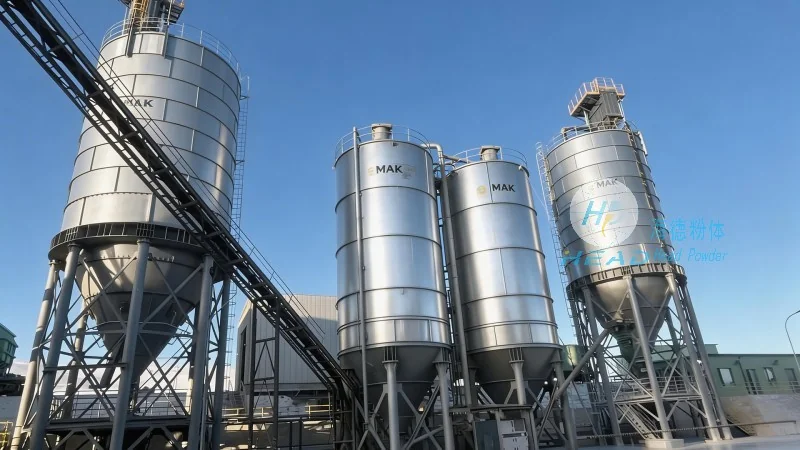
The core principle of pneumatic conveying involves the use of a pressurized or vacuum system to move solid particles, such as silica powder, through a pipeline using air or gas. The process typically operates under one of two main modes: dilute-phase and dense-phase conveying. In dilute-phase systems, the material is suspended in the air stream and transported at relatively high velocities, often requiring larger pipelines and higher air volumes. Dense-phase conveying, on the other hand, involves moving the material in a more compact form, with lower air velocities and higher material concentration, which is suitable for longer distances or sensitive materials.
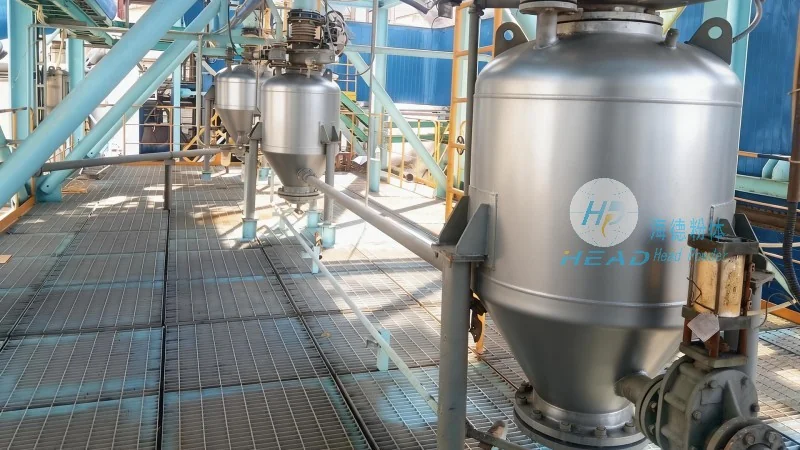
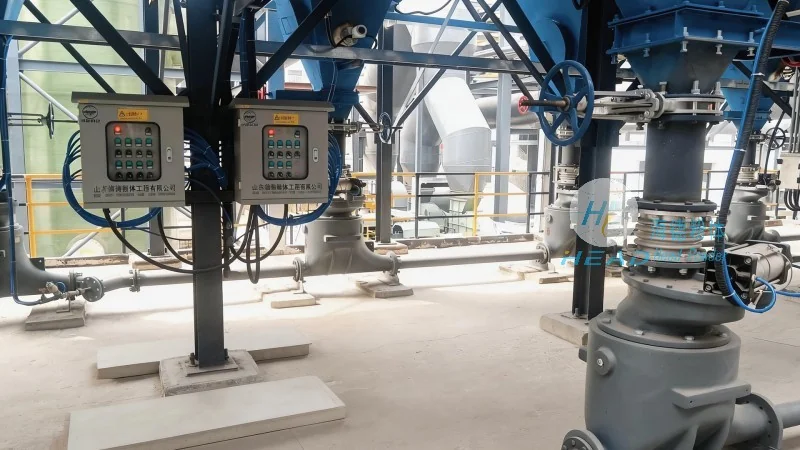
For silica powder, the choice of conveying mode depends on factors like particle size, moisture content, and the distance to be covered. The system generally consists of a feeding device, a conveying line, a separation unit, and a discharge mechanism. The feeding device, such as a rotary valve or a venturi feeder, introduces the silica powder into the pipeline. The conveying line, often made of stainless steel or other corrosion-resistant materials, ensures the material is transported without degradation. The separation unit, including cyclones or filters, separates the powder from the air stream, while the discharge mechanism collects the material at the destination. The air flow is controlled by fans or blowers, which maintain the necessary pressure or vacuum to drive the material through the system.
Classification of Silica Powder Pneumatic Conveying Applications
Silica powder pneumatic conveying is widely applied across multiple industries, each with specific requirements that dictate the type of conveying system used. The primary classifications of applications include industrial manufacturing, construction materials, and pharmaceuticals, among others.
Industrial Manufacturing Applications
In industrial manufacturing, silica powder is commonly used as a filler or additive in products like plastics, rubber, and coatings. The pneumatic conveying system ensures that the powder is delivered to production lines without contamination or loss. For example, in the production of silicone-based products, the precise control of silica powder flow is crucial for maintaining product quality. The system can handle large volumes of silica powder efficiently, reducing downtime and improving overall production efficiency. Companies like Shandong HeadPowder Engineering Co., Ltd. specialize in designing and implementing such conveying systems tailored to the specific needs of industrial manufacturers.
Construction Materials Industry
The construction industry heavily relies on silica powder for applications such as concrete additives, mortar, and plaster. Pneumatic conveying is ideal for transporting these materials to construction sites, especially in areas with limited access or where traditional methods are impractical. The system allows for the consistent delivery of silica powder, ensuring uniformity in the final construction products. This not only enhances the structural integrity of buildings but also improves the work efficiency of construction teams. The use of pneumatic conveying in construction also minimizes dust exposure, contributing to a safer working environment.
Pharmaceutical and Food Processing
In the pharmaceutical and food processing sectors, the quality and purity of silica powder are paramount. Pneumatic conveying systems are preferred for their ability to maintain a sterile and clean environment, as they minimize contact with external contaminants. The system’s design, often incorporating stainless steel components and filtration, ensures that the silica powder remains free from impurities, meeting stringent regulatory standards. This is particularly important in the production of pharmaceuticals where even small amounts of impurities can affect the efficacy of the final product. Shandong HeadPowder Engineering Co., Ltd. provides specialized conveying solutions that adhere to the strict hygiene and safety requirements of these industries.
Advantages and Considerations in Silica Powder Pneumatic Conveying
Compared to traditional mechanical conveying methods, pneumatic conveying offers several advantages for silica powder transportation. These include reduced material degradation, lower maintenance costs, and the ability to transport materials over long distances without the need for intermediate storage. However, the system also has considerations, such as the need for proper air filtration to prevent dust accumulation and the potential for higher energy consumption compared to other methods. The choice of conveying system depends on the specific characteristics of the silica powder and the operational requirements of the application.
Conclusion
Silica powder pneumatic conveying is a versatile and efficient technology that plays a vital role in various industries. By understanding the working principles and categorizing applications, industries can select the most appropriate system to meet their material handling needs. Companies like Shandong HeadPowder Engineering Co., Ltd. continue to innovate and provide tailored solutions that enhance the efficiency and reliability of silica powder transportation, contributing to the overall productivity and quality of industrial processes.