

Types, Features, and Application Ranges of Dust Gas-Pneumatic Conveying Systems
For industrial applications involving dust collection, efficient material handling is crucial. Among the various methods available, dust gas-pneumatic conveying stands out as a reliable solution for transporting collected dust from filtration systems to storage or processing units. This article explores the different types of dust gas-pneumatic conveying systems, their key characteristics, and the typical application ranges where they are most effective.
Introduction to Dust Gas-Pneumatic Conveying
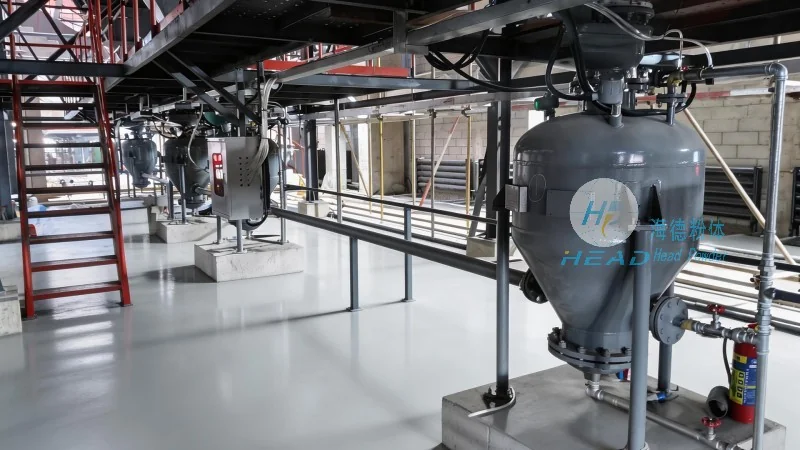
Dust gas-pneumatic conveying, also known as pneumatic conveying, utilizes compressed air or other gases to transport particulate materials like dust through a pipeline system. This method is widely adopted in industries such as power generation, cement production, and chemical processing, where large volumes of dust are generated during operations. The primary goal of this technology is to safely and efficiently move collected dust from the dust collector to a designated storage or disposal location, minimizing manual handling and associated risks.
Key Types of Dust Gas-Pneumatic Conveying Systems
There are several types of dust gas-pneumatic conveying systems, each designed to suit specific operational requirements and material characteristics. The main categories include:
1. Positive Pressure Conveying
Positive pressure systems operate by blowing air into the pipeline, creating a pressure higher than the ambient air. This method is suitable for conveying dust over moderate distances and is commonly used in applications where the dust is non-abrasive and has a relatively low moisture content. The positive pressure ensures that the material is continuously pushed through the pipeline, reducing the risk of clogging and ensuring consistent flow rates.
2. Negative Pressure (Suction) Conveying
Negative pressure systems, also known as suction conveying, draw air and dust particles from the source using a vacuum. This approach is ideal for applications requiring the collection of dust from multiple points or over longer distances. Negative pressure systems are particularly effective in environments where the dust is fine and may be hazardous if released into the atmosphere. The vacuum created helps in maintaining a controlled and safe material transport process.
3. Hybrid Conveying Systems
Hybrid systems combine elements of both positive and negative pressure methods. They often use a combination of blowing and suction to optimize material transport, especially in complex layouts with varying distances and elevation changes. These systems are versatile and can handle a wide range of dust characteristics, making them suitable for large-scale industrial operations.
Characteristics of Dust Gas-Pneumatic Conveying
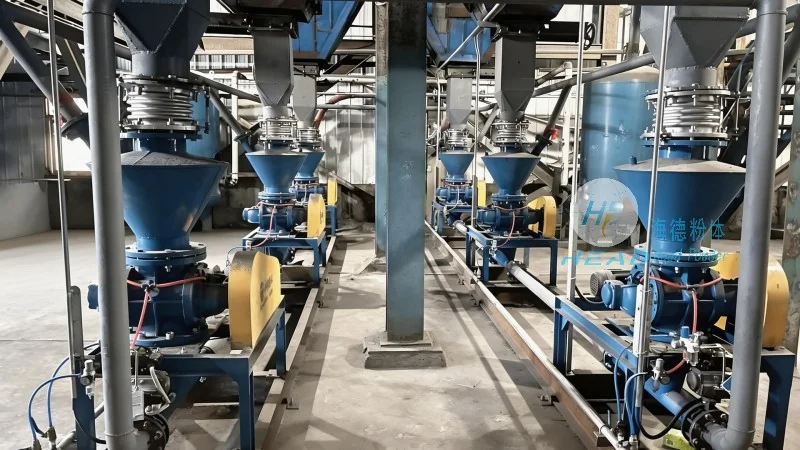
Each type of dust gas-pneumatic conveying system has distinct characteristics that influence its performance and suitability for specific applications. Key features include:
1. Efficiency and Reliability
All types of dust gas-pneumatic conveying systems are designed to provide high efficiency in material transport. The use of compressed air or vacuum ensures that dust is moved continuously and without interruption, reducing downtime and operational costs. The reliability of these systems is enhanced by robust components such as high-quality pipelines, efficient air compressors, and advanced control mechanisms.
2. Safety and Environmental Compliance
One of the critical characteristics of dust gas-pneumatic conveying is its ability to maintain a closed system, preventing dust emissions into the environment. This is particularly important in industries where dust is hazardous or regulated by environmental standards. The enclosed pipeline system ensures that dust is contained throughout the conveying process, minimizing the risk of airborne contamination and ensuring compliance with safety regulations.
3. Flexibility in Layout and Distance
Dust gas-pneumatic conveying systems offer flexibility in terms of layout and the distance over which dust can be transported. Positive pressure systems are generally suitable for shorter distances, typically up to a few hundred meters, while negative pressure systems can handle longer distances, sometimes exceeding a kilometer. Hybrid systems provide the best of both worlds, allowing for flexible layouts and varying distances in industrial settings.
Application Ranges of Dust Gas-Pneumatic Conveying
The application ranges of dust gas-pneumatic conveying systems are broad and cover various industrial sectors. The suitability of a particular system depends on factors such as the type of dust, the distance to be covered, and the operational environment. Some common application areas include:
1. Power Generation and Coal Handling
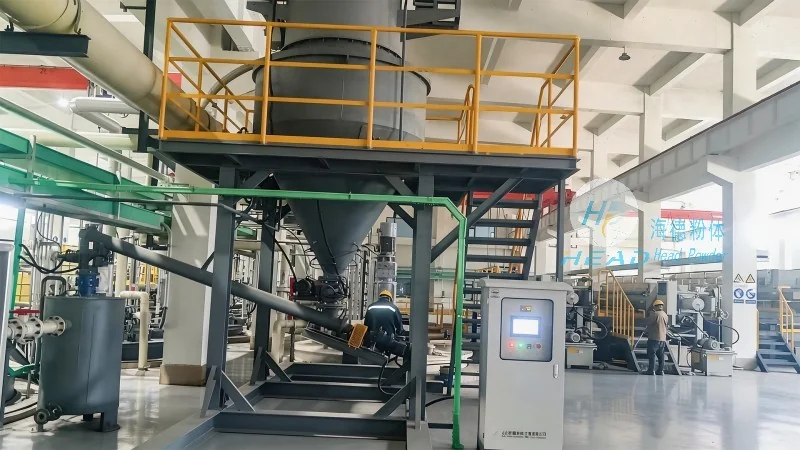
In power plants, dust gas-pneumatic conveying is widely used to transport fly ash from electrostatic precipitators or bag filters to storage silos or disposal sites. The systems are designed to handle large volumes of fine ash and operate under high-temperature conditions, ensuring reliable performance in demanding environments.
2. Cement Production
Cement plants generate significant amounts of dust during raw material processing and clinker production. Dust gas-pneumatic conveying systems are used to collect and transport cement dust, ensuring that the material is safely stored and reused or disposed of according to regulations. The systems are built to withstand the abrasive nature of cement dust and maintain long service life.
3. Chemical Processing
Chemical industries often handle various powders and dusts that require careful handling due to their chemical properties. Dust gas-pneumatic conveying is employed to transport these materials, ensuring that the process remains contained and safe. The systems are designed to handle corrosive or toxic dusts, with appropriate materials of construction to prevent contamination and ensure operational safety.
4. Food and Pharmaceutical Industries
In food and pharmaceutical sectors, dust gas-pneumatic conveying is used to transport fine powders like flour, sugar, or pharmaceutical powders. These systems are designed to maintain high standards of hygiene and cleanliness, with features such as stainless steel components and sealed pipelines to prevent contamination and ensure product quality.
Conclusion
Dust gas-pneumatic conveying systems offer a versatile and efficient solution for handling collected dust in various industrial applications. The different types of systems—positive pressure, negative pressure, and hybrid—provide flexibility to suit specific operational needs, while their key characteristics ensure reliability, safety, and environmental compliance. As industries continue to prioritize efficient material handling and environmental responsibility, dust gas-pneumatic conveying remains a critical technology in modern industrial operations.