

Types, Features, and Applications of Glass Slag Pneumatic Conveying
Glass slag, a byproduct of glass manufacturing processes, presents unique material handling challenges due to its abrasive properties and irregular particle morphology. Pneumatic conveying systems offer an efficient solution for transporting glass slag from production sites to processing or disposal locations. This article examines the different types of glass slag pneumatic conveying systems, their key characteristics, and the typical application ranges where they are most effective.
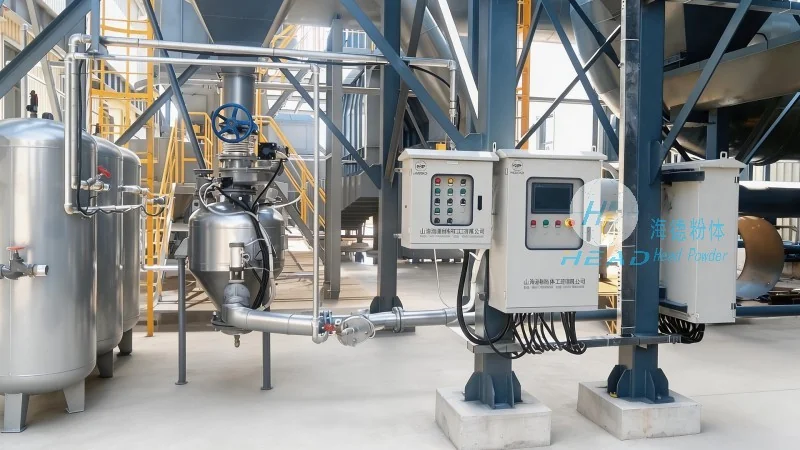
Overview of Glass Slag Pneumatic Conveying Systems
Glass slag pneumatic conveying systems utilize air or gas to move particulate materials like glass slag through a pipeline network. These systems are engineered to address the specific attributes of glass slag, such as high abrasiveness and potential dust generation. The primary objective is to transport the material safely and efficiently while minimizing equipment wear and operational costs.
Types of Glass Slag Pneumatic Conveying Systems
Two main categories of pneumatic conveying systems are used for glass slag: positive pressure and negative pressure systems. Each type operates on distinct principles and is suited to different material handling scenarios.
Positive Pressure Systems
Positive pressure systems function by blowing air or gas into the conveying line, creating a pressure higher than ambient air pressure. The material is drawn into the pipeline by the moving air stream. This method is effective for moderate-distance transport and is commonly employed in industrial settings where glass slag needs to be moved from a central processing area to various destinations.
Negative Pressure Systems
Negative pressure systems, also known as vacuum systems, create a lower pressure inside the conveying line compared to the ambient environment. The material is drawn into the pipeline by the vacuum generated, and the air carrying the material is then filtered and released. This type is particularly suitable for applications requiring dust control and where the material must be transported from multiple sources to a central collection point.
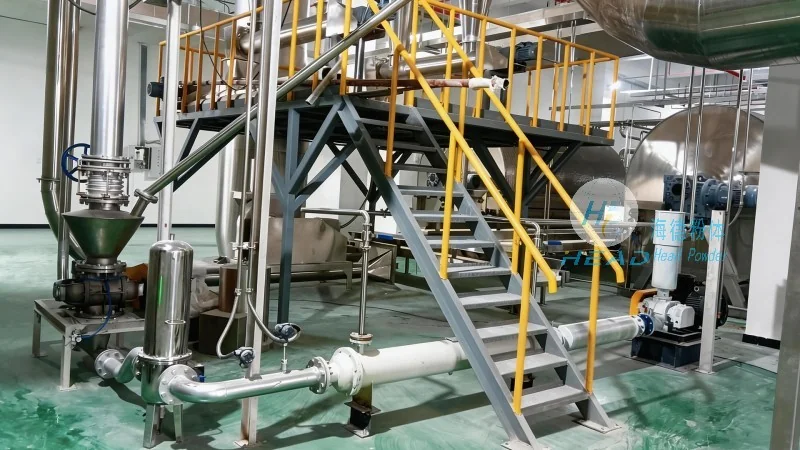
Key Features of Glass Slag Pneumatic Conveying Systems
The effectiveness of glass slag pneumatic conveying systems depends on several critical features that address the material's challenges. These features include:
1. **Abrasion-Resistant Components**: Due to the abrasive nature of glass slag, all contact parts of the system—such as pipelines, valves, and pumps—are constructed from durable materials like stainless steel, high-chrome white iron, or specialized alloys. This ensures long service life and reduces maintenance frequency.
2. **Dust Control Measures**: Glass slag is prone to generating fine dust during handling. Systems incorporate advanced filtration and dust collection equipment to minimize airborne particles, enhancing workplace safety and compliance with environmental regulations.
3. **Variable Speed Control**: The ability to adjust air flow speed allows for flexible handling of different glass slag particle sizes and moisture levels. This feature optimizes system performance and energy consumption.
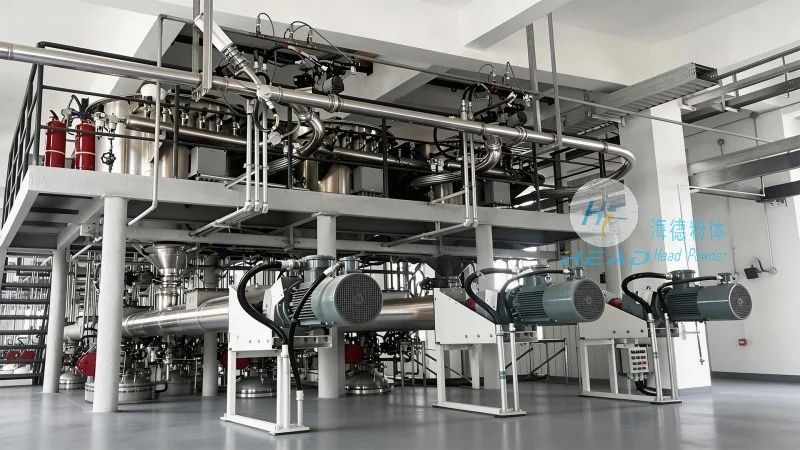
4. **Modular Design**: Many systems are designed with modular components, enabling easy installation, maintenance, and expansion. This flexibility benefits industrial facilities that may need to adapt their material handling processes over time.
Application Ranges of Glass Slag Pneumatic Conveying Systems
Glass slag pneumatic conveying systems are widely utilized in various industrial applications where efficient transport of glass slag is critical. The primary application ranges include:
1. **Glass Manufacturing Plants**: Within glass production facilities, these systems are used to move glass slag from melting and forming stages to recycling or disposal areas. This helps maintain a clean and organized production environment.
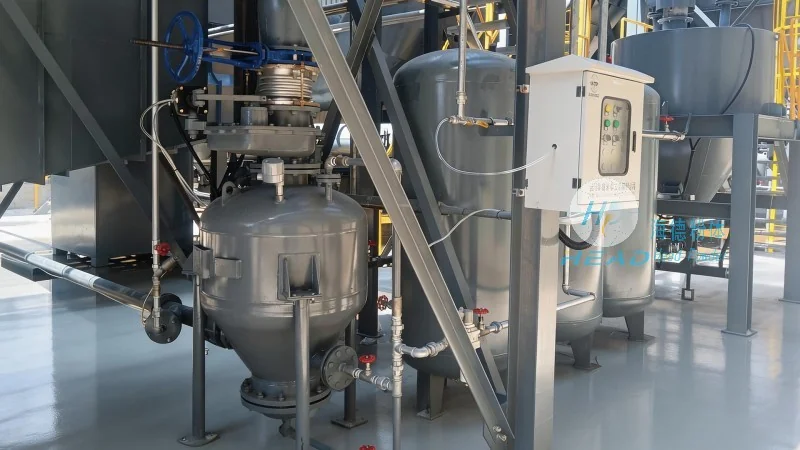
2. **Waste Management and Recycling Facilities**: Glass slag is often a valuable resource that can be recycled into new glass products or other materials. Pneumatic conveying systems facilitate transport of slag from collection sites to recycling plants, supporting sustainable waste management practices.
3. **Industrial Processing Plants**: In other industrial settings, glass slag may be used as a raw material or additive in processes such as cement production or road construction. The systems ensure controlled delivery to processing equipment.
4. **Environmental Control Systems**: Some applications involve transporting glass slag to treatment facilities where it is processed to reduce environmental impact. The systems enable controlled movement through treatment processes.
About Shandong HeadPowder Engineering Co., Ltd.
Shandong HeadPowder Engineering Co., Ltd., operating under the brand name HeadPowder, is a leading provider of pneumatic conveying solutions tailored for challenging materials like glass slag. With a focus on engineering excellence and customer satisfaction, the company designs and manufactures customized systems that meet specific industrial needs. HeadPowder's expertise in material handling technology ensures their glass slag pneumatic conveying systems are efficient, durable, and compliant with industry standards. The company is based in Shandong, China, and serves clients globally with reliable and innovative solutions for material transport challenges.