

Types, Characteristics, and Application Ranges of Molybdenum Concentrate Pneumatic Conveying
For industrial operations dealing with molybdenum concentrate, efficient material handling is crucial. Pneumatic conveying systems offer a reliable solution for transporting molybdenum concentrate, which is a key intermediate in the production of molybdenum-based products. This article explores the different types of pneumatic conveying systems used for molybdenum concentrate, their key features, and the typical application ranges where they are most effective. The information is provided by Shandong HeadPowder Engineering Co., Ltd., a company specializing in engineering solutions for powder handling and material transport.
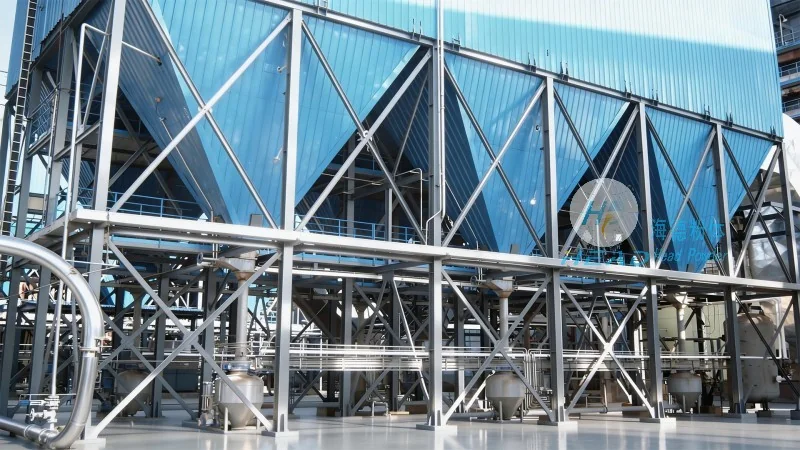
Types of Pneumatic Conveying Systems for Molybdenum Concentrate
There are primarily two types of pneumatic conveying systems used for molybdenum concentrate: dilute-phase and dense-phase systems. Dilute-phase systems operate by using low-pressure air to transport particles in a dispersed state, making them suitable for short to medium-distance transport and handling of relatively fine powders. Dense-phase systems, on the other hand, use higher pressure and lower air flow rates to move material in a more concentrated form, which is ideal for longer distances and for handling materials that are prone to segregation or caking. Both systems have their specific applications and performance characteristics that make them suitable for different scenarios in the molybdenum processing industry.
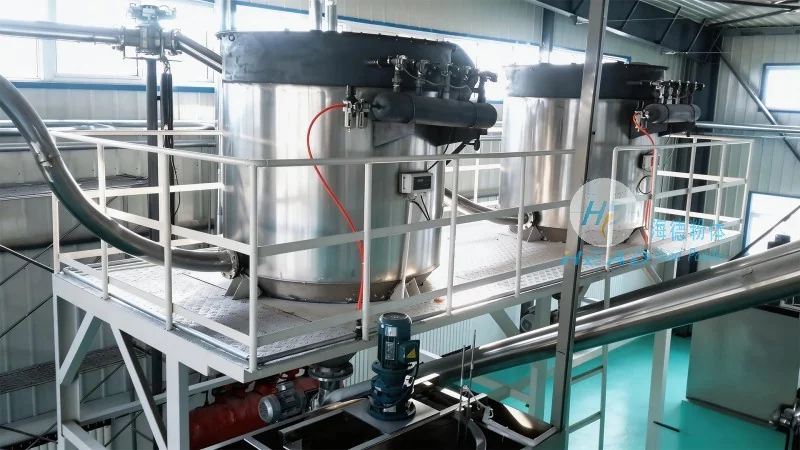
Key Features and Advantages of Molybdenum Concentrate Pneumatic Conveying
One of the main advantages of pneumatic conveying for molybdenum concentrate is its ability to handle fine powders without the need for mechanical components that could cause contamination or wear. The system operates by creating a vacuum or pressure differential to move material through a pipeline, which reduces the risk of product degradation and ensures a consistent flow rate. Additionally, pneumatic conveying systems are flexible and can be easily integrated into existing production lines, allowing for modifications and expansions as needed. They also offer better control over the material's temperature and moisture content, which is critical for maintaining the quality of molybdenum concentrate during transport. The systems are designed to minimize dust emissions and provide a clean, safe working environment, which is essential in industrial settings where molybdenum concentrate is handled.
Common Application Ranges in the Industry
Molybdenum concentrate pneumatic conveying systems are widely used in various stages of the molybdenum production process. They are commonly employed in the transfer of concentrate from mining sites to processing facilities, as well as between different processing stages such as from crushing and grinding to flotation and drying. The systems are also used in the distribution of concentrate to storage silos or to downstream processing equipment like roasters and converters. In addition, they are suitable for handling molybdenum concentrate in bulk material handling operations, where large volumes need to be moved efficiently and safely. The application ranges vary based on the particle size, moisture content, and the distance to be covered, with dilute-phase systems typically used for shorter distances and dense-phase systems for longer distances or when dealing with more challenging material properties.
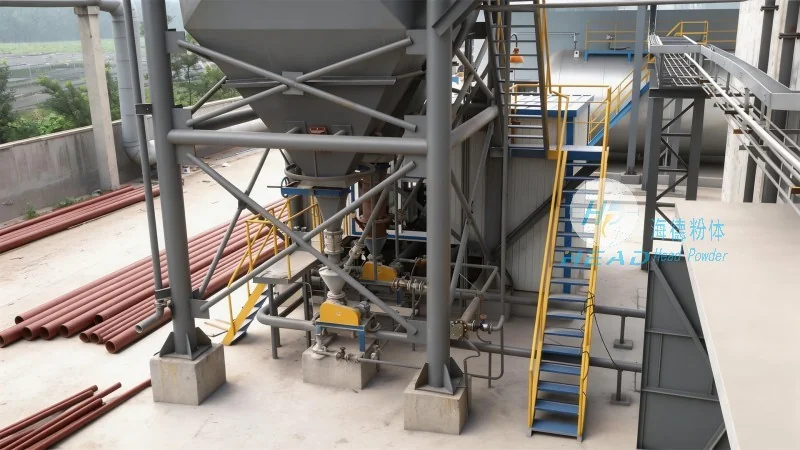
Technical Considerations and Best Practices for Implementation
When implementing a pneumatic conveying system for molybdenum concentrate, several technical considerations must be taken into account to ensure optimal performance and longevity. The first is the selection of the appropriate system type based on the specific characteristics of the molybdenum concentrate, such as its particle size distribution, moisture content, and flowability. The system's design must also consider the distance and elevation changes involved in the transport, as these factors affect the required air pressure and flow rate. Proper maintenance of the system components, including filters, pumps, and pipelines, is essential to prevent clogging and ensure consistent operation. Regular cleaning and inspection of the system are recommended to maintain efficiency and avoid downtime. Additionally, the use of appropriate materials for the pipeline and equipment, such as stainless steel or corrosion-resistant alloys, is important to prevent contamination and ensure the quality of the molybdenum concentrate. By following these best practices, industrial facilities can achieve reliable and efficient transport of molybdenum concentrate using pneumatic conveying systems.