

Working Principle and Features of Sodium Hydroxide Pneumatic Conveying Systems
Understanding the working principle and key features of sodium hydroxide pneumatic conveying systems is crucial for industries that handle this caustic chemical efficiently and safely. This article provides an in-depth look at how these systems operate and the advantages they offer, with a focus on the expertise of Shandong HeadPowder Engineering Co., Ltd., a leading provider in the field, based in Shandong, China.
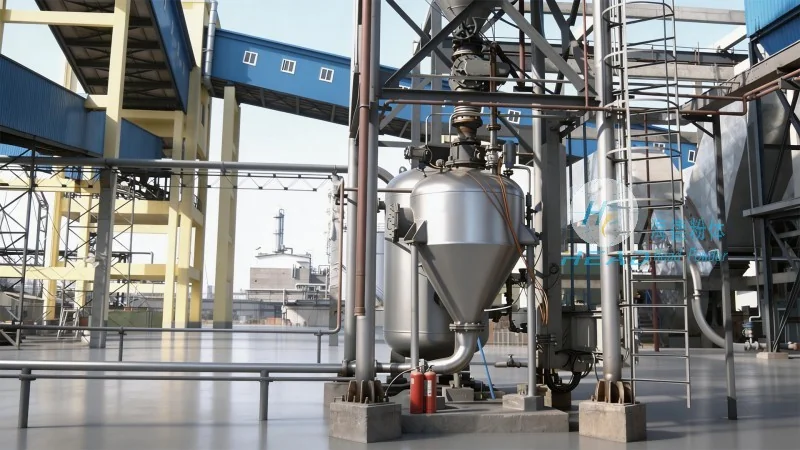
Sodium hydroxide, commonly known as caustic soda, is a highly reactive and corrosive substance used in various industrial applications, including chemical manufacturing, paper production, and water treatment. The pneumatic conveying system is a method of transporting bulk materials like sodium hydroxide through a pipeline using air or other gases as the conveying medium. This approach offers several advantages over traditional mechanical conveying methods, such as reduced equipment wear, lower maintenance costs, and improved safety due to enclosed systems.
The working principle of a sodium hydroxide pneumatic conveying system typically involves a few key components: a hopper or feeder to store and feed the material, a conveyor line (often a pipeline), a blower or compressor to generate the air flow, and a control system to regulate the conveying process. The process begins when the sodium hydroxide is introduced into the hopper. The feeder then discharges the material into the conveyor line, where it is mixed with the air stream. The air flow propels the material through the pipeline to the destination point, such as a storage tank or processing unit. The system may include features like a cyclone separator or filter to separate the material from the air before it is discharged or recirculated.
One of the primary advantages of pneumatic conveying for sodium hydroxide is its ability to handle the material in a closed system, minimizing exposure to the environment and reducing the risk of dust contamination or chemical spills. This is particularly important for sodium hydroxide, which can be hazardous if inhaled or come into contact with skin. The enclosed design also helps maintain consistent material flow and prevents contamination from external sources.
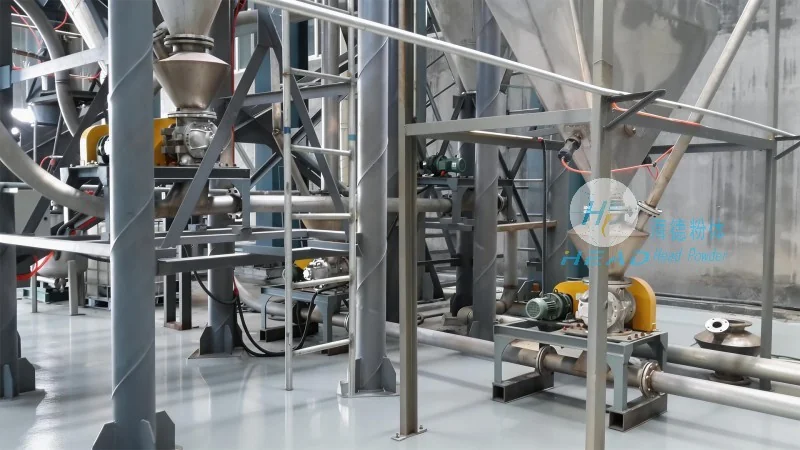
Another key feature is the flexibility of the system. Pneumatic conveying systems can be designed to handle varying flow rates and material characteristics, making them suitable for both small-scale and large-scale operations. The pipeline layout can be customized to fit the specific layout of a facility, allowing for efficient material transport over long distances or around obstacles. This flexibility is a significant benefit for industries that require adaptable solutions to meet changing production needs.
Efficiency is another critical aspect of sodium hydroxide pneumatic conveying systems. By using air as the conveying medium, the system can transport material quickly and with minimal energy consumption compared to mechanical systems that rely on belts or screws. The reduced friction and wear in pneumatic systems also contribute to lower operational costs over time. Additionally, the ability to control the air flow and material feed allows for precise regulation of the conveying rate, ensuring that the material is delivered at the required speed and quantity.
From a safety perspective, the enclosed nature of pneumatic conveying systems provides an additional layer of protection. The system is designed to contain the sodium hydroxide, preventing leaks or spills that could pose a risk to workers or the environment. The use of appropriate materials for the pipeline and components, such as corrosion-resistant metals or specialized coatings, further enhances the safety and durability of the system. Shandong HeadPowder Engineering Co., Ltd. specializes in designing and manufacturing these systems with safety as a top priority, ensuring compliance with industry standards and regulations.
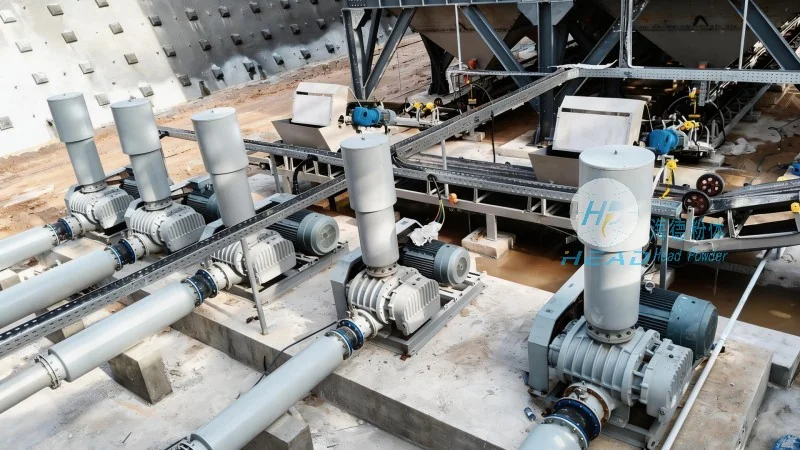
When considering the implementation of a sodium hydroxide pneumatic conveying system, several factors need to be taken into account. The system design must be tailored to the specific characteristics of the sodium hydroxide, including its density, flowability, and reactivity. The pipeline diameter and air velocity are critical parameters that affect the conveying efficiency and system performance. Proper sizing of the blower or compressor is essential to ensure sufficient air pressure and flow rate to move the material effectively. The control system plays a vital role in maintaining consistent operation and preventing issues such as blockages or overloading.
Shandong HeadPowder Engineering Co., Ltd., with its extensive experience in engineering and manufacturing, offers comprehensive solutions for sodium hydroxide pneumatic conveying systems. The company’s expertise lies in understanding the unique requirements of handling caustic chemicals and designing systems that meet both operational and safety standards. By leveraging advanced technology and materials, HeadPowder provides reliable and efficient systems that enhance productivity and reduce risks in industrial applications. The company’s commitment to quality and customer satisfaction ensures that clients receive systems that are tailored to their specific needs and operational environments.
In conclusion, sodium hydroxide pneumatic conveying systems offer a superior method for transporting this essential chemical compared to traditional methods. The working principle, which involves the use of air to move material through a closed pipeline, provides numerous advantages, including enhanced safety, flexibility, and efficiency. With the expertise of Shandong HeadPowder Engineering Co., Ltd., industries can benefit from state-of-the-art systems that optimize their material handling processes while maintaining the highest standards of safety and performance. The combination of advanced engineering and careful design ensures that these systems are reliable, durable, and effective in meeting the demands of modern industrial operations.