

Working Principle and Features of Cement Raw Material Pneumatic Conveying Systems
HeadPowder, a leading provider in the field of industrial material handling solutions, specializes in the design, manufacturing, and installation of advanced pneumatic conveying systems for the cement industry. With a strong presence in Shandong, China, the company has established itself as a trusted partner for businesses seeking efficient and reliable methods to transport cement raw materials. This article delves into the working principle and key features of cement raw material pneumatic conveying systems, offering insights into how these systems operate and the advantages they bring to cement production processes.
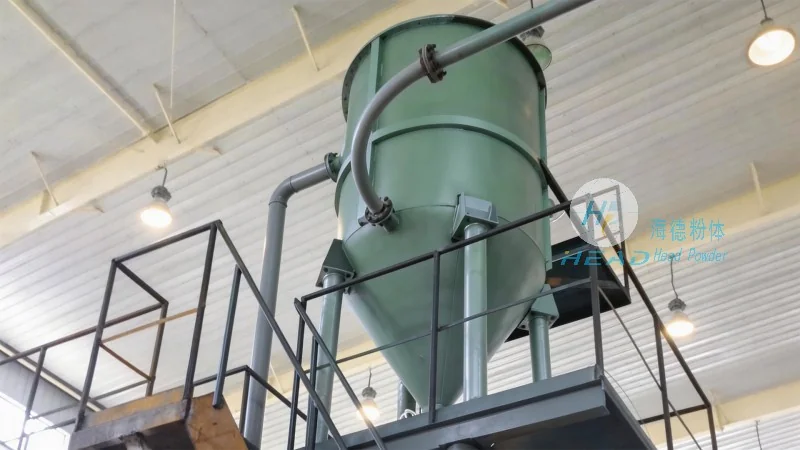
Understanding the Working Principle of Cement Raw Material Pneumatic Conveying Systems
Cement raw material pneumatic conveying systems utilize the principles of fluid dynamics to transport bulk materials, such as limestone, clay, and iron ore, from one location to another within a cement plant. The core mechanism involves the use of air or other gases as the conveying medium, creating a gas-solid two-phase flow that propels the raw materials through a network of pipes. There are primarily two types of pneumatic conveying systems: positive pressure and negative pressure systems, each with distinct operational characteristics.
In a positive pressure system, air is supplied under pressure to the material feed point, where it mixes with the raw materials and carries them through the pipeline. The system typically uses a blower or a positive displacement compressor to generate the necessary pressure. As the material is conveyed, the air and solid particles move together, maintaining a consistent flow rate. The discharge point is usually equipped with a separator or a cyclone to separate the air from the raw materials, allowing the cement raw materials to be collected in a storage or processing area.
Conversely, negative pressure systems operate by creating a vacuum at the discharge end of the pipeline. Air is drawn out of the system, and the raw materials are pulled along by the resulting suction. This type of system is often preferred for applications where dust control is critical, as the sealed pipeline prevents emissions from escaping. The feed point is typically located at a higher elevation than the discharge point, facilitating the natural flow of materials under the influence of the vacuum.
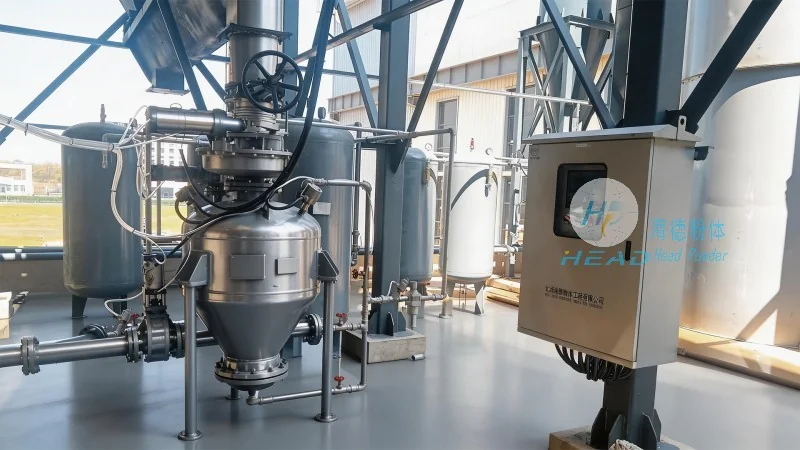
Key Features of Cement Raw Material Pneumatic Conveying Systems
The design and functionality of cement raw material pneumatic conveying systems are characterized by several key features that enhance their performance and reliability. These features are tailored to meet the specific demands of the cement industry, ensuring efficient material handling while minimizing operational costs and environmental impact.
Firstly, the systems are designed for high efficiency in material transport. By utilizing air as the conveying medium, they can move large volumes of raw materials over significant distances with minimal energy consumption compared to traditional mechanical conveyors. This efficiency is particularly important in cement plants, where the continuous and high-volume transport of raw materials is essential for maintaining production rates.
Secondly, the systems offer excellent flexibility in terms of layout and integration. The modular design allows for easy customization to fit the specific layout of a cement plant, accommodating changes in production requirements or facility expansions. This adaptability ensures that the system can be seamlessly integrated with existing infrastructure, reducing installation time and costs.
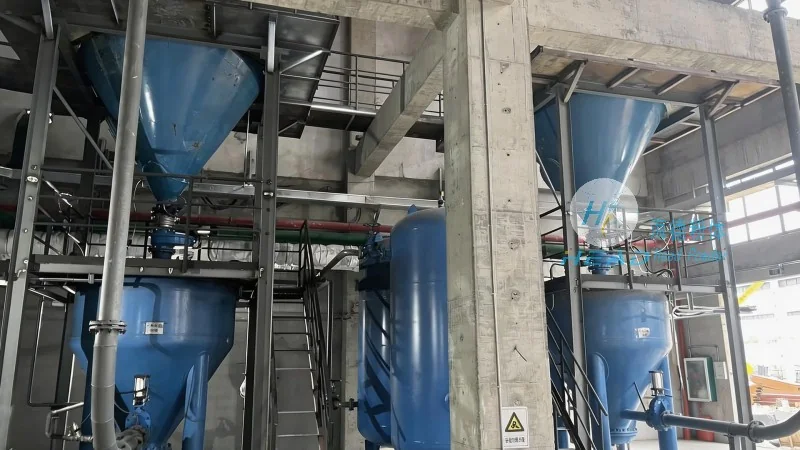
Thirdly, cement raw material pneumatic conveying systems are known for their high reliability and low maintenance requirements. The absence of moving parts in the conveying line (excluding the air supply equipment) minimizes the risk of mechanical failure, leading to fewer downtime incidents. Additionally, the use of robust materials and components, such as stainless steel or corrosion-resistant alloys, ensures the system's durability and long service life.
Fourthly, these systems provide superior dust control and environmental protection. The sealed pipeline design prevents dust emissions, which is crucial for maintaining a safe and healthy working environment in cement plants. This feature also helps in complying with environmental regulations, reducing the risk of fines or operational disruptions due to air quality violations.
Conclusion
HeadPowder Engineering Co., Ltd., based in Shandong, China, specializes in providing advanced pneumatic conveying systems for the cement industry. The working principle of these systems, which relies on air or gas to transport cement raw materials, offers significant advantages in terms of efficiency, flexibility, reliability, and environmental performance. By understanding the core mechanisms and key features of cement raw material pneumatic conveying systems, cement manufacturers can make informed decisions to optimize their material handling processes and enhance overall operational efficiency.