

Principle and Working Scene Characteristics of Pneumatic Conveying for Plastic Granule Materials
Understanding the fundamental principles and operational characteristics of pneumatic conveying systems for plastic granule materials is crucial for industries that rely on efficient material handling. This article delves into the core mechanisms behind such systems and highlights the key working scene characteristics that define their effectiveness in real-world applications.
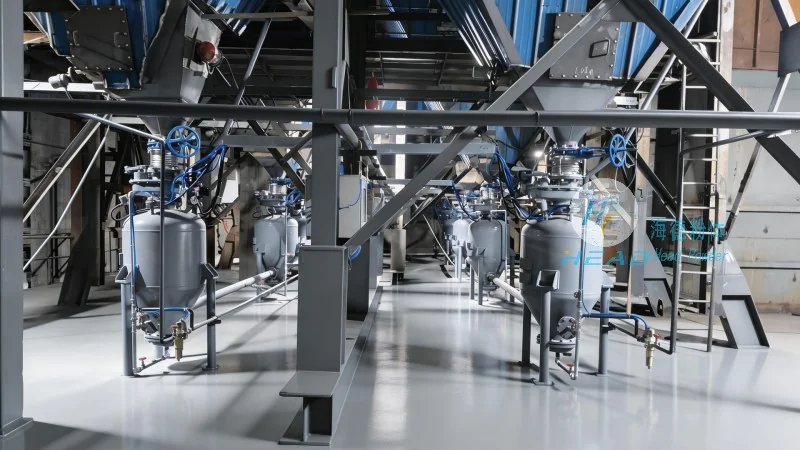
The Working Principle of Pneumatic Conveying for Plastic Granules
Pneumatic conveying involves the use of air or gas to transport bulk materials, such as plastic granules, through a pipeline. The process typically operates under either positive pressure (where air is forced into the system) or negative pressure (where air is drawn out). For plastic granules, which are often lightweight and can be prone to static charge, the choice of pressure system and system design is critical to ensure minimal degradation and optimal flow. The system generally consists of several key components: a feeder to introduce the material into the pipeline, a conveying line to transport it, a separator to separate the material from the air, and a receiver to collect the material at the destination. The air flow rate and pressure are carefully controlled to maintain a stable and efficient conveying process, preventing issues like blockages or material loss.
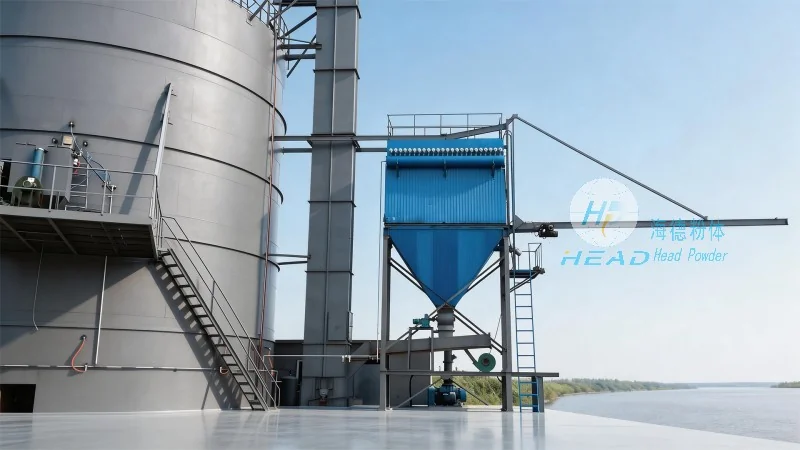
Key Working Scene Characteristics of Pneumatic Conveying Systems
The effectiveness of pneumatic conveying systems for plastic granules is heavily influenced by the specific working scenes in which they are deployed. These characteristics include: efficiency in material transport, which is essential for high-throughput production lines; low material degradation, as plastic granules can be sensitive to friction and heat; and environmental considerations, such as minimizing dust emissions and ensuring compliance with industrial safety standards. Additionally, the flexibility of the system to handle different plastic types (e.g., polyethylene, polypropylene, polystyrene) and particle sizes is a significant advantage, allowing for versatile applications across various industries.
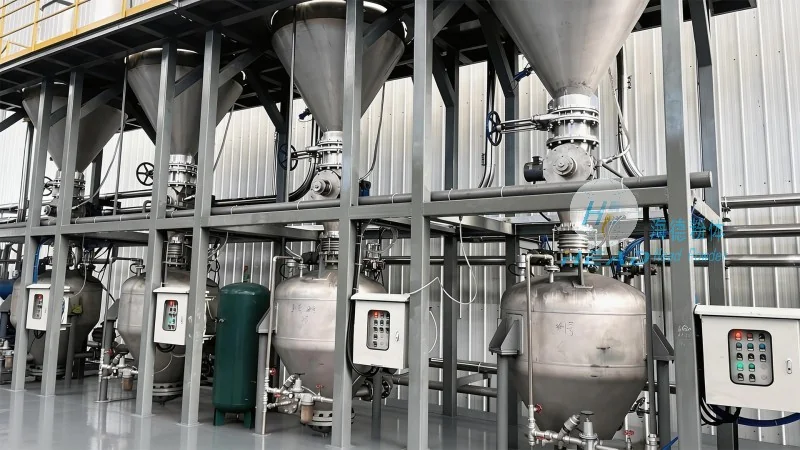
Applications in Industrial Settings
Industrial applications of pneumatic conveying for plastic granules span a wide range of sectors, including plastic manufacturing, packaging, and recycling. In plastic manufacturing plants, these systems are used to transport raw granules from storage silos to processing machines, ensuring a continuous and uninterrupted supply. In packaging facilities, they facilitate the movement of finished plastic products or raw materials between different production stages, enhancing overall operational efficiency. Even in recycling operations, where plastic waste is processed into new granules, pneumatic conveying systems play a vital role in transporting the recycled material to the next stage of processing. The adaptability of these systems to different production scales and material types makes them indispensable in modern industrial environments.
HeadPowder's Expertise in Pneumatic Conveying Solutions
Shandong HeadPowder Engineering Co., Ltd., a leading provider of material handling solutions, specializes in designing and manufacturing customized pneumatic conveying systems tailored to the unique needs of plastic granule applications. With years of experience in the industry, HeadPowder understands the challenges associated with handling plastic materials, such as static electricity, material variability, and the need for high efficiency. The company’s solutions are engineered to address these challenges effectively, ensuring reliable and efficient material transport. HeadPowder’s systems are built with high-quality components and advanced control technologies, guaranteeing consistent performance and minimal maintenance requirements. The company’s commitment to innovation and customer satisfaction has made it a trusted partner for businesses seeking to optimize their plastic granule handling processes.
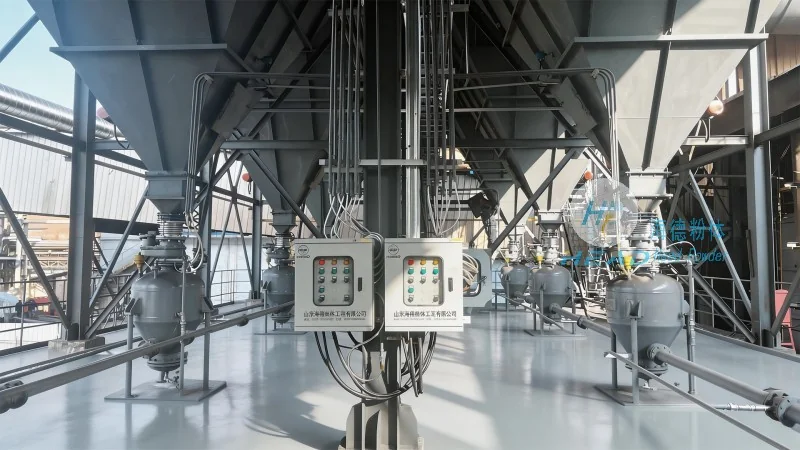
Conclusion
Pneumatic conveying of plastic granule materials is a sophisticated and efficient method of material handling that offers significant advantages over traditional methods. By understanding the underlying principles and working scene characteristics, industries can select and implement the most suitable systems to meet their operational demands. With the expertise and solutions provided by companies like Shandong HeadPowder Engineering Co., Ltd., businesses can enhance their material handling capabilities, improve productivity, and ensure compliance with industry standards. As the demand for efficient and sustainable material handling solutions continues to grow, pneumatic conveying systems for plastic granules will remain a critical component of modern industrial operations.