

Operation Process and Working Principle of Mineral Particle Pneumatic Conveying Systems
Mineral particle pneumatic conveying systems are sophisticated industrial solutions designed to transport bulk materials efficiently and reliably. These systems utilize air or gas as the primary medium to move solid particles from one location to another, offering advantages such as reduced mechanical wear, minimal product contamination, and the ability to handle a wide range of materials, including powders, granules, and bulk solids. The operation of such systems involves several key components and processes that work in tandem to ensure smooth material transfer.
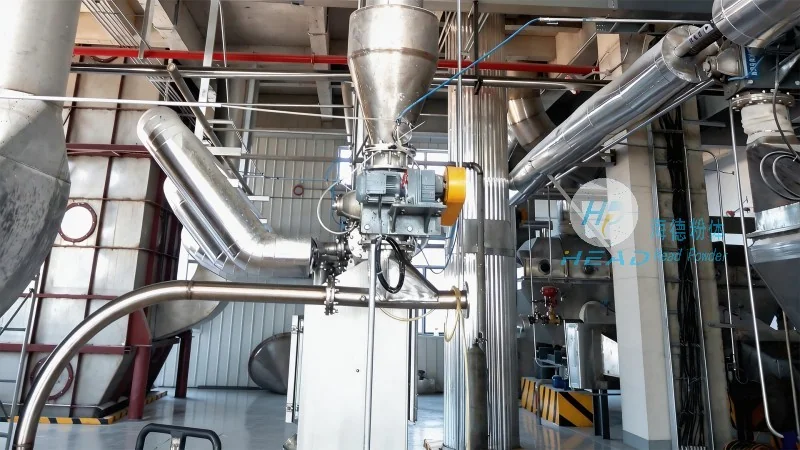
Key Components of Pneumatic Conveying Systems
The core components of a mineral particle pneumatic conveying system typically include a material feed hopper, a conveying line (often equipped with bends and straight sections), a receiver or discharge hopper, and a blower or compressor that generates the necessary air pressure. Additionally, systems may incorporate accessories like filters, cyclones, and pressure regulators to maintain system efficiency and protect equipment from dust and debris. Each component plays a critical role in the overall operation, ensuring that material is fed, conveyed, and discharged safely and effectively.
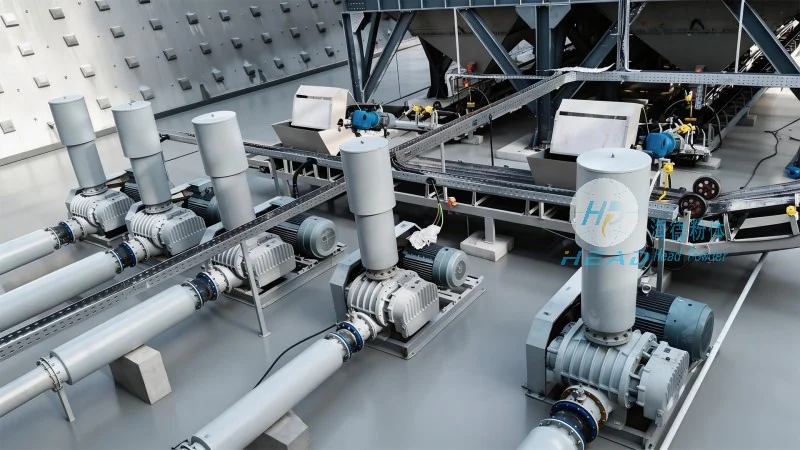
The Working Principle of Pneumatic Conveying
The fundamental principle behind pneumatic conveying is the use of air flow to entrain and transport solid particles. When the blower or compressor creates a pressure differential, air is drawn into the conveying line and passes through the material feed hopper. As the air flows, it lifts and carries the mineral particles along the line, moving them from the feed point to the discharge point. The velocity of the air and the size of the particles determine the type of conveying system—either dilute phase (where particles are suspended in the air stream) or dense phase (where particles are more closely packed and move in a slug or plug flow). This principle allows for the efficient transport of materials over long distances and at varying heights, making it suitable for diverse industrial applications.
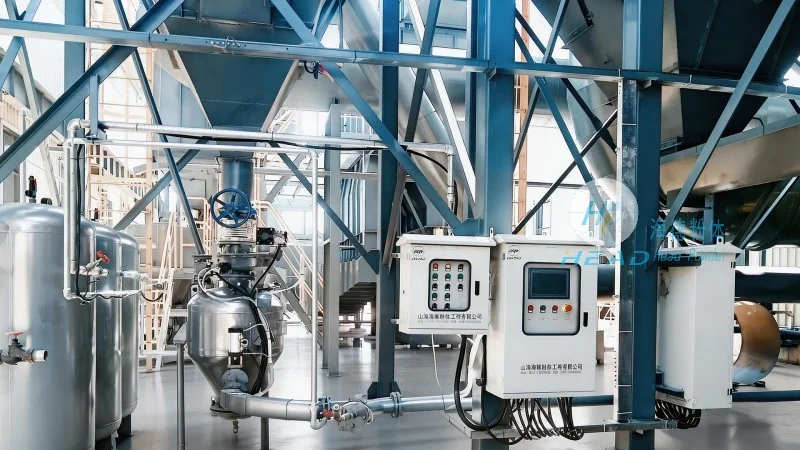
Operation Process: From Feed to Discharge
The operation process of a mineral particle pneumatic conveying system begins with the material being fed into the hopper. The material is then drawn into the conveying line by the moving air stream. As the particles travel through the system, they may encounter bends, changes in direction, or pressure zones that help maintain their trajectory. The air flow continues to carry the particles until they reach the receiver or discharge hopper, where the air is separated from the material (often using a filter or cyclone) and the solid particles are collected. The system then cycles through this process, with the blower maintaining consistent pressure to ensure continuous operation. This cycle ensures that the material is transported without interruption, minimizing downtime and maximizing productivity.
Advantages and Applications
Pneumatic conveying systems offer several advantages over traditional mechanical conveying methods. These include reduced maintenance due to fewer moving parts, lower risk of product contamination (as the material is not in direct contact with metal surfaces), and the ability to handle materials that are difficult to transport mechanically, such as fine powders or abrasive particles. The systems are widely used in industries like mining, chemical processing, food processing, and pharmaceuticals, where the transport of mineral particles is essential for production processes. For example, in mining operations, these systems are used to move ore from processing plants to storage facilities, while in chemical plants, they transport raw materials to reactors and finished products to packaging areas.
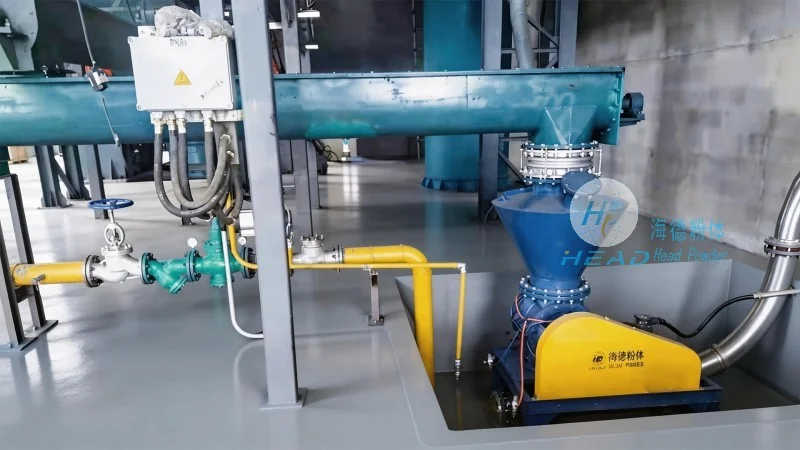
About Shandong HeadPowder Engineering Co., Ltd.
Shandong HeadPowder Engineering Co., Ltd., operating under the brand name headpowder, is a leading manufacturer and supplier of pneumatic conveying systems for mineral particles. With a focus on innovation and quality, the company has developed advanced solutions tailored to the specific needs of various industries. Headpowder's systems are designed to meet the highest standards of efficiency, reliability, and safety, ensuring that clients receive products that enhance their operational capabilities. The company's headquarters is located in Shandong, China, where it maintains state-of-the-art facilities for research, development, and manufacturing. By combining expertise in material handling and engineering, headpowder provides comprehensive solutions that address the unique challenges of mineral particle transport, helping businesses improve productivity and reduce operational costs.