

Operation Process and Working Principle of Synthetic Fiber Pneumatic Conveying Systems
HeadPowder, a leading provider in the field, specializes in the design, manufacturing, and installation of advanced synthetic fiber pneumatic conveying systems. These systems are engineered to efficiently transport synthetic fibers and other fine materials with precision and reliability. The following sections will delve into the operational process and working principles of such systems, highlighting key components and their functions.
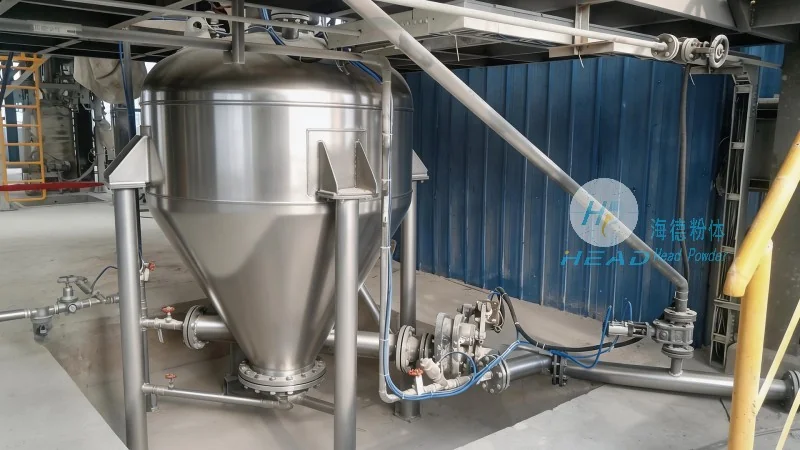
Key Components of the Pneumatic Conveying System
The synthetic fiber pneumatic conveying system typically consists of several critical components that work in tandem to ensure smooth material transport. These include the hopper or feeder, the air compressor or blower, the conveying line (often equipped with special synthetic fiber hoses), and the discharge device. Each component plays a vital role in the overall system performance. The hopper is responsible for storing and feeding the synthetic fibers into the system, ensuring a consistent flow of material. The air compressor or blower generates the necessary air pressure to create the airflow that propels the fibers through the conveying line. The synthetic fiber hoses are specifically designed to handle the unique properties of synthetic fibers, such as their low bulk density and tendency to form clumps, while maintaining low pressure drop and high efficiency. The discharge device, on the other hand, collects the fibers at the end of the conveying line and directs them to the final destination, such as a storage silo or processing unit.
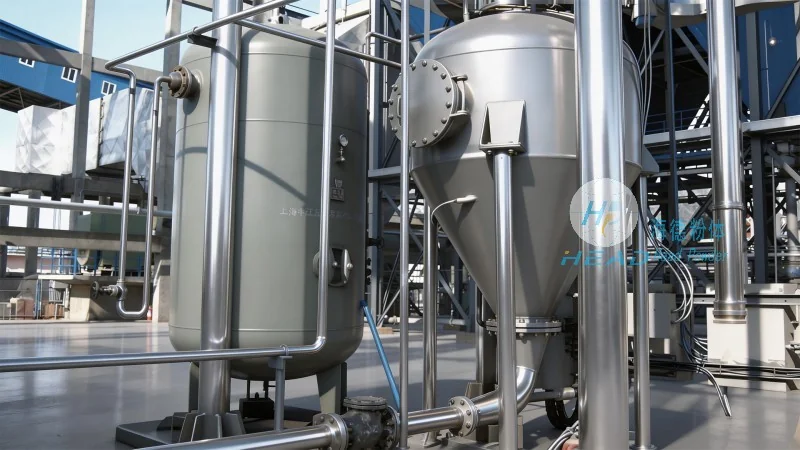
Operation Process of the Synthetic Fiber Pneumatic Conveying System
The operation of the synthetic fiber pneumatic conveying system follows a systematic sequence to ensure efficient material transport. The process begins with the loading of synthetic fibers into the hopper. The feeder then regulates the flow of fibers into the conveying line, ensuring a steady supply. Simultaneously, the air compressor or blower starts operating, generating the required air pressure. As the air flows through the synthetic fiber hose, it creates a vacuum or positive pressure that pulls the fibers along the line. The fibers are carried by the air stream, moving from the hopper to the discharge point. The system maintains a consistent airflow and pressure to prevent material blockages and ensure smooth transport. The discharge device then collects the fibers and delivers them to the next stage of processing or storage. This entire process is automated and controlled by a system of sensors and controls, which monitor parameters like pressure, flow rate, and material level to optimize performance and prevent issues.
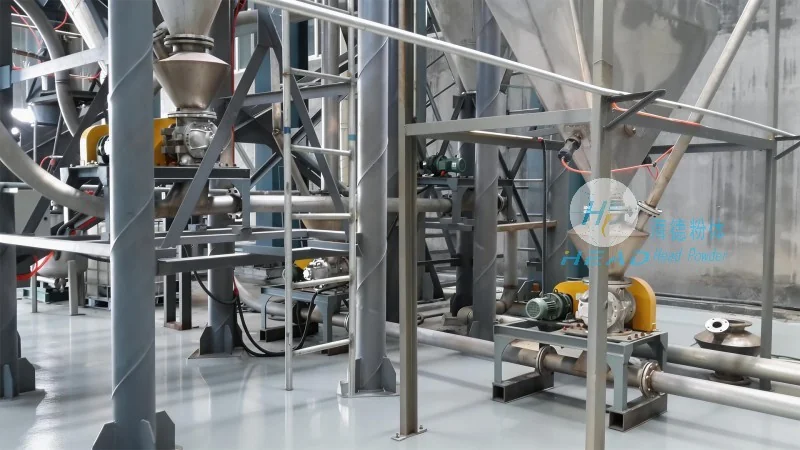
Working Principle of the Pneumatic Conveying System
The working principle of the synthetic fiber pneumatic conveying system is based on the principles of fluid dynamics and material handling. The system utilizes air as the conveying medium to transport synthetic fibers. The air compressor or blower creates a pressure differential between the inlet and outlet of the conveying line. This pressure differential generates the necessary force to move the fibers through the hose. The synthetic fiber hoses are designed with a smooth interior surface and reinforced structure to minimize friction and pressure loss. The fibers are suspended in the air stream, moving at a velocity that is sufficient to overcome gravitational forces and any resistance from the hose. The system can operate under both positive pressure and negative pressure (or vacuum) modes. In positive pressure mode, the air is forced into the conveying line, pushing the fibers forward. In negative pressure mode, the air is drawn out of the line, creating a vacuum that pulls the fibers along. The choice of mode depends on the specific application and the characteristics of the synthetic fibers being transported. The system's efficiency is enhanced by the use of special synthetic fibers in the hose, which are resistant to abrasion, corrosion, and chemical exposure, ensuring long-term durability and reliable performance.
Advantages of Synthetic Fiber Pneumatic Conveying Systems
HeadPowder's synthetic fiber pneumatic conveying systems offer several advantages over traditional material handling methods. These systems are highly efficient, capable of transporting synthetic fibers over long distances with minimal energy consumption. The use of synthetic fiber hoses reduces the risk of material degradation and contamination, as the hoses are designed to be chemically inert and resistant to the properties of synthetic fibers. The systems are also flexible and adaptable, allowing for easy integration into existing production lines or new installations. They can handle a wide range of synthetic fibers, including those with low bulk density or high abrasiveness. Additionally, the systems are low maintenance, with components designed for durability and long service life. The automated control systems ensure consistent performance and reduce the need for manual intervention, improving overall operational efficiency.
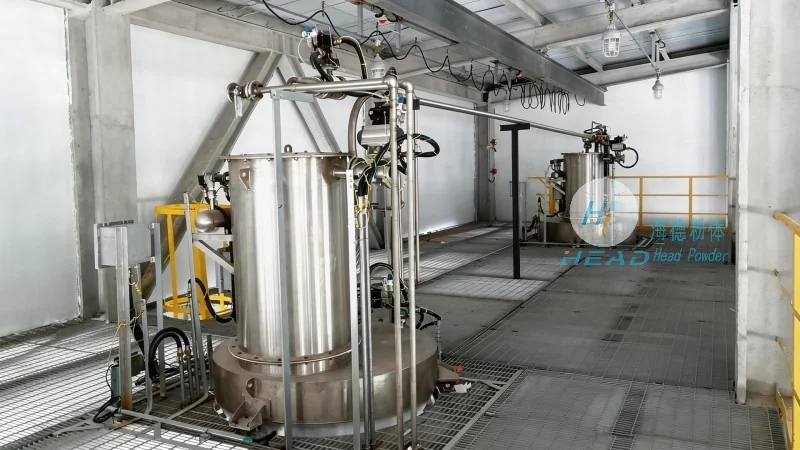
About HeadPowder Engineering Co., Ltd.
HeadPowder Engineering Co., Ltd., headquartered in Shandong, China, is a leading manufacturer and supplier of advanced material handling solutions. With years of experience in the industry, the company specializes in the design and production of synthetic fiber pneumatic conveying systems tailored to the specific needs of various industries. The company's commitment to quality and innovation has made it a trusted partner for businesses seeking reliable and efficient material transport solutions. HeadPowder's products are engineered to meet international standards and are backed by a team of skilled engineers and technicians who provide comprehensive support, from system design to installation and maintenance.