

Operation Process and Working Principle of Silica Aerodynamic Conveying Equipment
HeadPowder, a leading enterprise in the field of powder processing technology, specializes in the design, manufacturing, and supply of advanced aerodynamic conveying systems. This article provides a comprehensive overview of the operation process and working principle of silica aerodynamic conveying equipment, which is widely used in industrial applications for the efficient transport of fine powders like silica. The equipment is engineered to ensure high efficiency, low maintenance, and reliable performance, making it an essential component in various production lines.
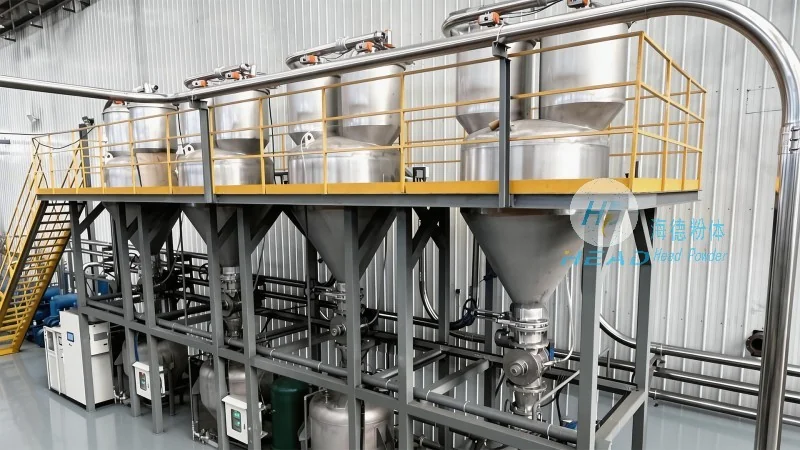
Working Principle of Aerodynamic Conveying
The core principle of aerodynamic conveying, also known as pneumatic conveying, is to use compressed air or other gases to transport solid materials through a pipeline. In the case of silica aerodynamic conveying equipment, the system typically consists of a feeding device, a conveying pipeline, a separation system, and a control unit. The process begins with the material being fed into the pipeline, where it is mixed with the high-velocity air stream. The air flow creates a negative pressure or positive pressure environment, depending on the system design, to move the silica particles through the pipeline. The equipment is designed to handle different particle sizes and moisture content of silica, ensuring stable and continuous operation. The separation system at the end of the pipeline separates the silica from the air, allowing for the collection of the material in a designated container. This process minimizes material loss and contamination, which is crucial for maintaining product quality in industrial applications.
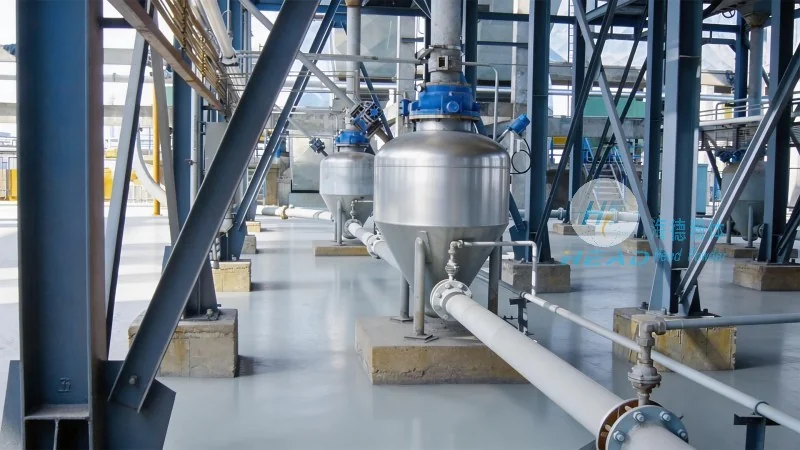
Key Components and Their Functions
The silica aerodynamic conveying equipment from Shandong HeadPowder Engineering Co., Ltd. incorporates several critical components that work in tandem to achieve efficient material transport. The feeding unit is responsible for introducing the silica powder into the conveying pipeline at a controlled rate, preventing blockages and ensuring a consistent flow. The pipeline system, made of durable materials such as stainless steel or special plastics, is designed to withstand the pressure and friction from the silica particles and air flow. The conveying air system, which includes compressors and air treatment units, provides the necessary pressure and clean air to maintain the conveying process. The separation system, often equipped with cyclones or filters, effectively separates the silica from the air, ensuring that the collected material is free from contaminants. The control unit monitors and adjusts the system parameters, such as air pressure, flow rate, and feeding speed, to optimize performance and prevent system failures.
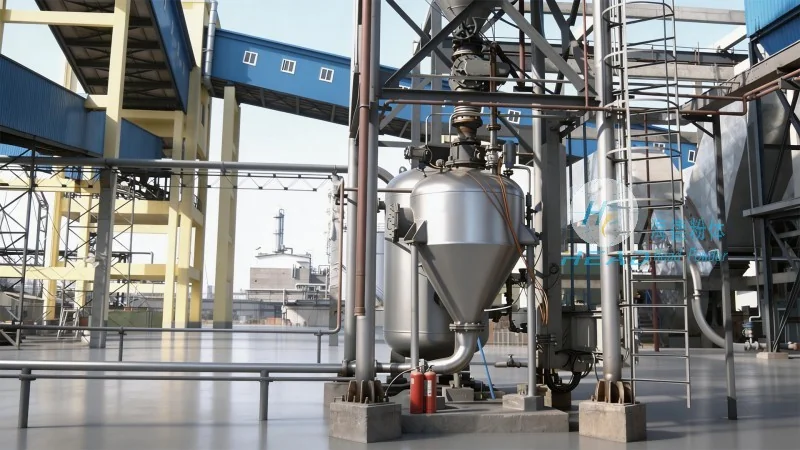
Operation Process Step-by-Step
The operation of silica aerodynamic conveying equipment follows a systematic process that ensures smooth and efficient material transport. First, the system is started by activating the air compressor and the feeding mechanism. The compressed air is then introduced into the pipeline, creating a flow that draws the silica powder from the feeding hopper into the pipeline. The material is carried by the air stream through the pipeline to the receiving hopper or storage area. The separation system at the end of the pipeline uses centrifugal force to separate the silica particles from the air, with the air being discharged through a filter or vent. The collected silica is then transferred to the next processing stage or storage container. The system continuously monitors key parameters, such as pressure and flow rate, to ensure that the conveying process remains stable. If any issues arise, such as a blockage or pressure drop, the control unit triggers alarms or automatic shutdowns to prevent damage to the equipment and material loss. This step-by-step operation ensures that the silica is transported safely and efficiently, minimizing downtime and maximizing productivity.
Advantages and Applications
Silica aerodynamic conveying equipment offers several advantages that make it a preferred choice in industrial applications. One of the primary benefits is the ability to transport fine powders over long distances without the need for mechanical components like belts or screws, which can cause wear and tear and contamination. The system is also highly flexible, allowing for changes in the conveying route or capacity without major modifications. Additionally, the equipment is designed to handle different particle sizes and moisture levels, making it suitable for various silica applications. The equipment from Shandong HeadPowder Engineering Co., Ltd. is widely used in industries such as glass manufacturing, foundries, and chemical processing, where the efficient transport of silica is critical for production efficiency. The equipment's low maintenance requirements and high reliability also contribute to its popularity, as it reduces operational costs and downtime for businesses.
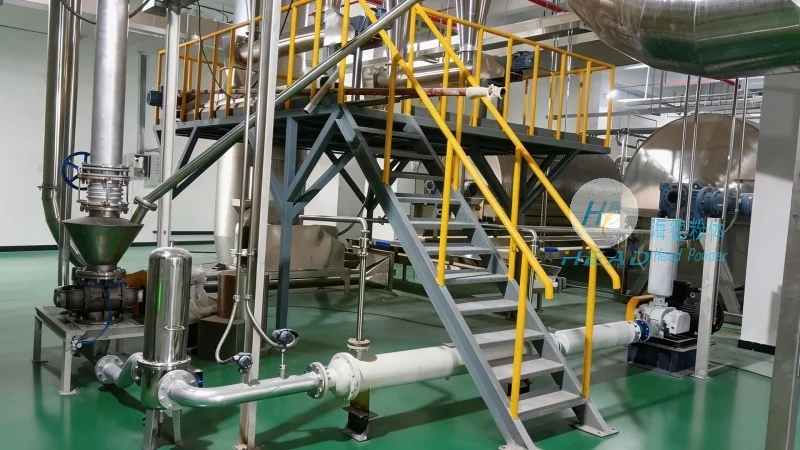
Maintenance and Safety Considerations
To ensure the long-term performance and safety of silica aerodynamic conveying equipment, regular maintenance and adherence to safety guidelines are essential. The equipment should be inspected regularly for signs of wear, such as pipe corrosion or component damage, and replaced as needed. The air system should be cleaned and maintained to prevent dust accumulation, which can affect the performance and efficiency of the conveying process. The separation system should be checked for blockages or clogs, as these can lead to system failures and material loss. Safety measures, such as proper grounding and air filtration, should be implemented to prevent accidents and ensure the safety of operators. The control unit should be calibrated regularly to ensure accurate monitoring and control of system parameters. By following these maintenance and safety guidelines, the silica aerodynamic conveying equipment can operate efficiently and safely, maximizing its lifespan and performance.