

Operation Process and Working Principle of Sodium Hypochlorite Pneumatic Conveying Equipment
Sodium hypochlorite is a widely used chemical in various industries, including water treatment, disinfection, and industrial cleaning. The efficient and safe transportation of this chemical is crucial for industrial operations. Pneumatic conveying systems offer a reliable solution for handling sodium hypochlorite, ensuring minimal exposure to personnel and maintaining product integrity. This article delves into the operation process and working principle of such equipment, highlighting key components and operational steps.
Key Components of the Pneumatic Conveying System
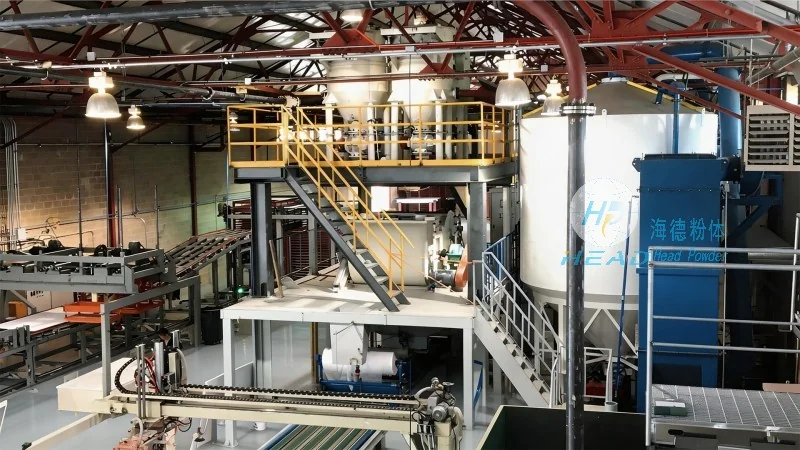
The sodium hypochlorite pneumatic conveying system consists of several essential components that work in tandem to achieve effective material transport. These include a storage tank or container for the liquid sodium hypochlorite, a pump or metering device to control the flow rate, a pneumatic conveying line (often equipped with air compressors and air valves), and a receiving hopper or tank at the destination. Each component plays a vital role in the overall system performance, ensuring smooth and continuous operation.
Working Principle of the Pneumatic Conveying Process
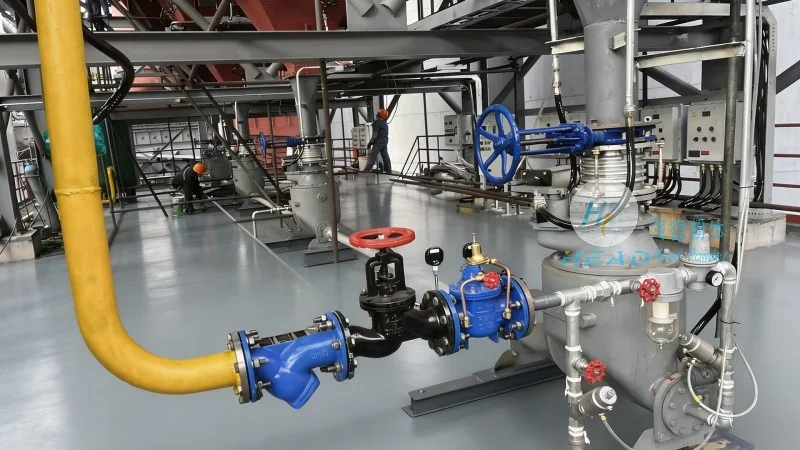
The core working principle of the pneumatic conveying system involves the use of compressed air to create a flow that transports the sodium hypochlorite from the source to the destination. The process typically starts with the liquid sodium hypochlorite being pumped from the storage tank into the conveying line. Simultaneously, compressed air is introduced into the line, creating a pressure differential that propels the liquid along the pipeline. The air and liquid mixture travels through the conveying line, with the air providing the necessary force to move the material. At the receiving end, the air is separated from the liquid, often through a separator or filter, and the sodium hypochlorite is collected in the receiving tank. This method allows for the safe and efficient transfer of sodium hypochlorite over short to medium distances, with minimal risk of spills or leaks.
Operation Process Steps
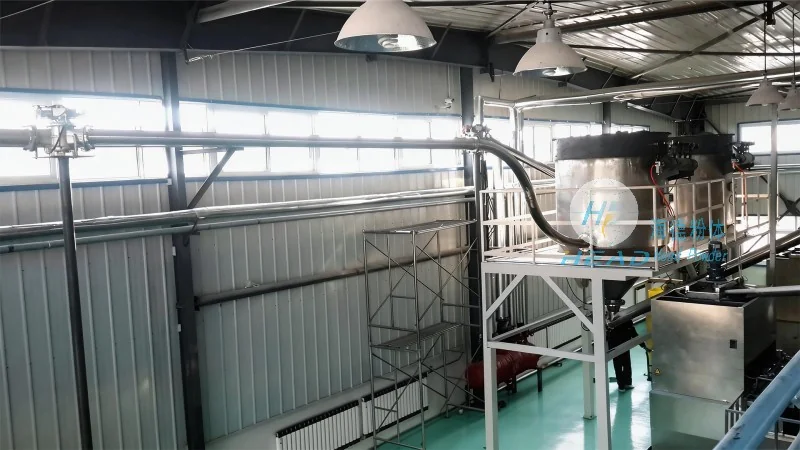
The operation process of the sodium hypochlorite pneumatic conveying equipment follows a systematic sequence to ensure optimal performance. First, the storage tank is filled with the required amount of sodium hypochlorite, and the system is checked for any leaks or malfunctions. Next, the pump is activated to start the flow of liquid into the conveying line. Simultaneously, the air compressor is turned on to generate the necessary compressed air pressure. The air and liquid are then mixed and transported through the pipeline. At the receiving station, the air is separated from the liquid, and the sodium hypochlorite is collected. The system is monitored continuously to maintain the desired flow rate and pressure, with adjustments made as needed to ensure consistent performance. This step-by-step process ensures that the equipment operates efficiently and safely, minimizing downtime and maximizing productivity.
Safety and Maintenance Considerations
Given the chemical nature of sodium hypochlorite, safety is a paramount concern in the operation of pneumatic conveying systems. Proper safety measures include the use of corrosion-resistant materials for the storage and conveying components, regular inspection of the system for leaks, and the implementation of emergency shutdown procedures. Maintenance of the equipment is also crucial to ensure long-term reliability. This includes regular cleaning of the conveying line, replacement of worn-out parts, and checking the performance of the air compressor and pump. By adhering to these safety and maintenance practices, the system can operate effectively while minimizing risks to personnel and the environment.
Application and Benefits
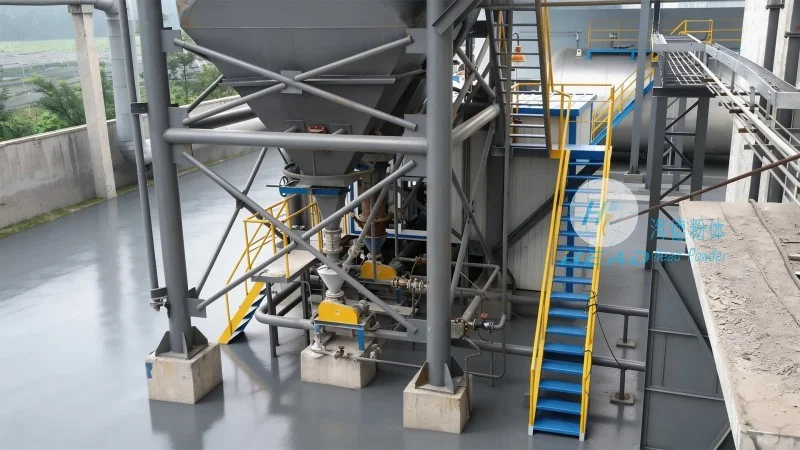
Sodium hypochlorite pneumatic conveying equipment is widely used in various industrial applications, such as water treatment plants, chemical manufacturing facilities, and food processing industries. The benefits of using this system include improved safety by reducing direct handling of the chemical, increased efficiency through continuous operation, and reduced labor costs by automating the transport process. Additionally, the system can handle large volumes of sodium hypochlorite, making it suitable for high-demand applications. The ability to transport the chemical over longer distances with minimal loss or degradation also enhances its utility in different industrial settings.