

Operation Process and Working Principle of Polyethylene Pneumatic Conveying Equipment
HeadPowder Engineering, a leading manufacturer based in Shandong, China, specializes in the design and production of advanced polyethylene pneumatic conveying systems. These systems are engineered to efficiently transport polyethylene materials in various industrial applications, ensuring high performance and reliability.
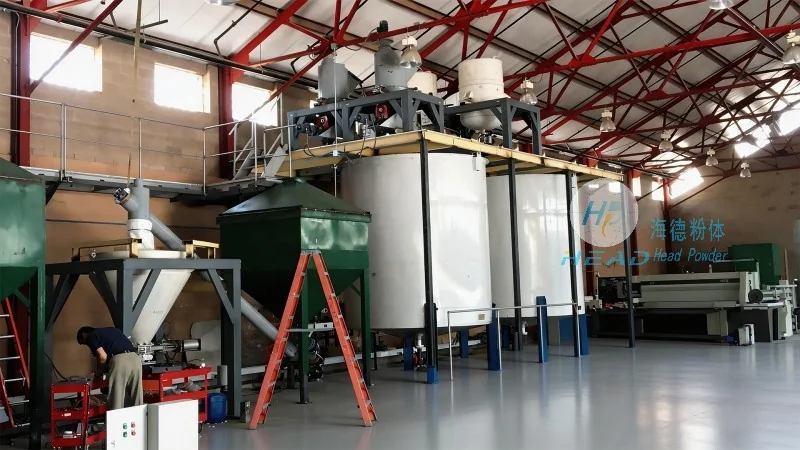
Overview of Polyethylene Pneumatic Conveying Equipment
Polyethylene pneumatic conveyors are essential in industries dealing with polyethylene powders or granules, such as plastics manufacturing, chemical processing, and packaging. The equipment is designed to handle the unique properties of polyethylene, including its lightweight and sometimes abrasive nature, while maintaining optimal material flow and minimizing product degradation.
The Working Principle of Pneumatic Conveying Systems for Polyethylene
The core working principle of polyethylene pneumatic conveying systems involves the use of compressed air to move materials through a pipeline. As compressed air is introduced into the system, it creates a flow that propels the polyethylene particles forward. This process, known as pneumatic transport, relies on the interaction between the air flow and the material being conveyed, ensuring efficient and continuous movement.
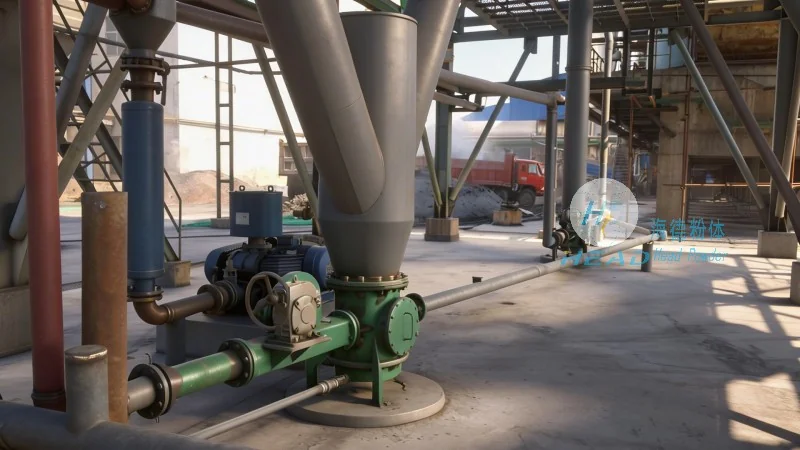
Step-by-Step Operation Process of Polyethylene Pneumatic Conveyors
The operation of a polyethylene pneumatic conveyor typically follows a structured sequence. First, the polyethylene material is loaded into the hopper or feeding device. Then, compressed air is activated, creating a pressure differential that initiates the material transport. The material travels through the pipeline to the discharge point, where it is collected in a receiving container. This process is automated and can be controlled to adjust flow rates and pressure as needed.
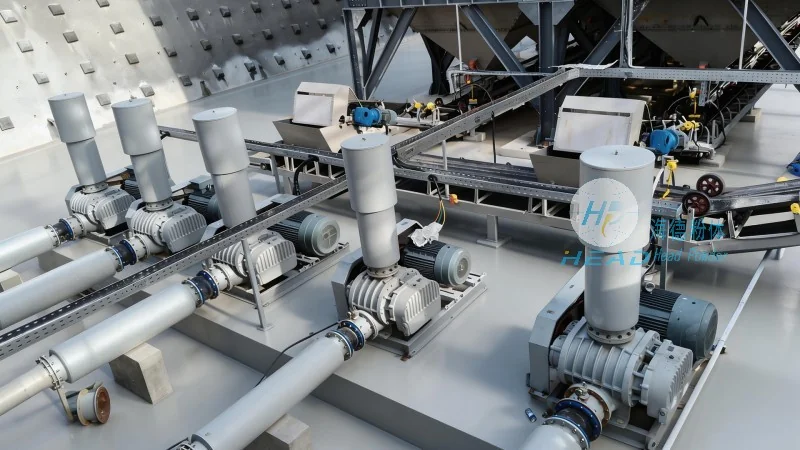
Key Components and Their Roles in Polyethylene Pneumatic Conveying
Several critical components work together to ensure the smooth operation of polyethylene pneumatic conveying systems. These include the hopper or feeder, which holds the material; the air compressor, which provides the necessary compressed air; the pipeline system, which transports the material; and the control valves and regulators, which manage air pressure and flow. Each component plays a vital role in maintaining the efficiency and safety of the system.
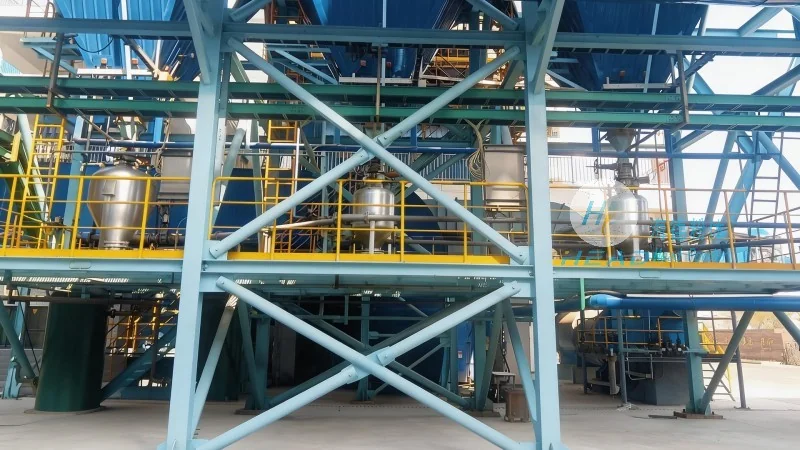
Advantages of Using Polyethylene Pneumatic Conveying Equipment
Implementing polyethylene pneumatic conveying equipment offers numerous advantages for industrial operations. These include reduced material handling time, improved product cleanliness, and enhanced safety by minimizing manual handling. Additionally, the systems are compact and can be integrated into existing production lines, making them a cost-effective solution for material transport needs.
Applications and Industries Where Polyethylene Pneumatic Conveyors Are Utilized
Polyethylene pneumatic conveyors are widely used in various industries, including plastics manufacturing, where they are used to transport raw polyethylene pellets or powders to processing equipment. In chemical processing, they help move polyethylene-based chemicals or additives between production stages. The equipment is also valuable in packaging industries, where it efficiently transfers polyethylene materials to filling or packaging machines.