

Operation Process and Working Principle of Diatomite Pneumatic Conveying Machine
HeadPowder, a leading manufacturer based in Shandong, China, specializes in the design and production of advanced pneumatic conveying systems tailored for the handling of diatomite. The diatomite pneumatic conveying machine is a critical piece of equipment in industries where efficient, dust-free material transport is essential. This article delves into the operational process and underlying principles of such machines, providing a comprehensive understanding for professionals in the field.
Key Components and Their Roles
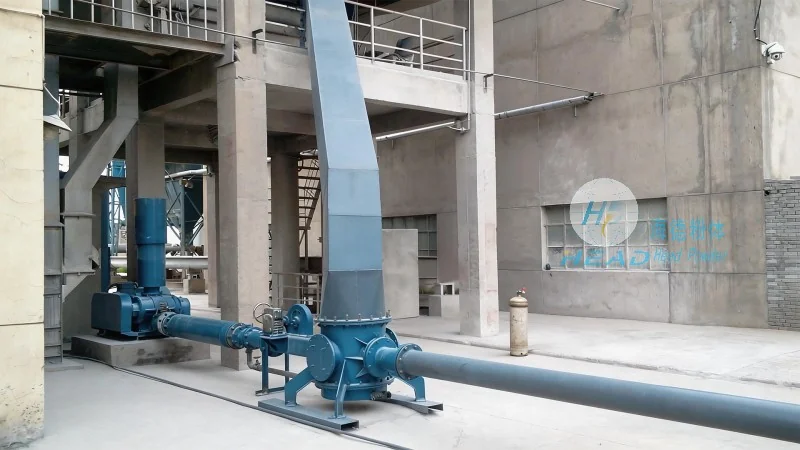
The diatomite pneumatic conveying machine comprises several key components that work in tandem to ensure smooth material transport. The primary components include the hopper, feeder, air compressor, conveying pipeline, and receiver. The hopper serves as the storage vessel, holding the diatomite material ready for transfer. The feeder, often a rotary valve or screw feeder, regulates the flow of material from the hopper into the conveying pipeline. The air compressor generates the necessary air pressure to move the material through the pipeline. The conveying pipeline, typically made of stainless steel or other corrosion-resistant materials, transports the material from the feeder to the receiver. The receiver collects the conveyed diatomite and may include a dust collection system to maintain air quality.
Working Principle of the Pneumatic Conveying Process
The core of the diatomite pneumatic conveying machine operates on the principle of pneumatic transport, where material is moved by the force of compressed air. The process begins with the material being fed from the hopper into the conveying pipeline. Simultaneously, the air compressor supplies high-pressure air into the pipeline. As the air flows through the pipeline, it creates a low-pressure zone that draws the diatomite particles into the air stream. The mixture of diatomite and air then travels through the pipeline to the receiver. The receiver may include a cyclone separator or other filtration equipment to separate the diatomite from the air, ensuring that the material is deposited in the intended location without releasing dust into the environment.
Operation Process: Step-by-Step Overview
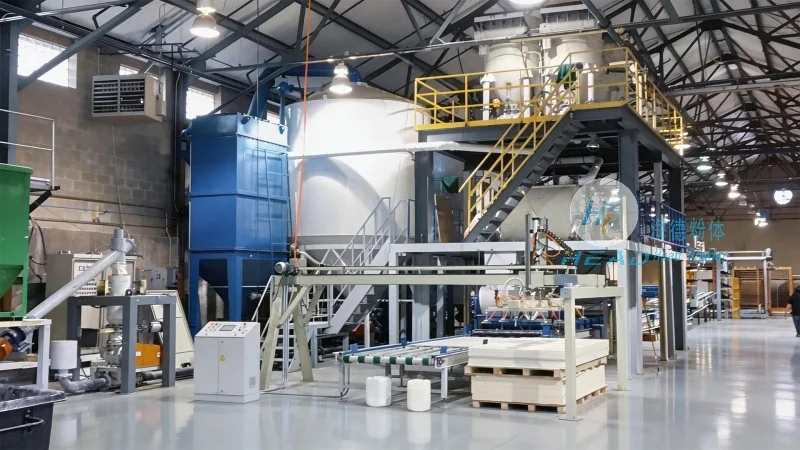
The operation of a diatomite pneumatic conveying machine follows a systematic sequence to ensure efficient material handling. The process starts with the loading of diatomite into the hopper. The feeder then regulates the flow rate, controlling the amount of material entering the pipeline. The air compressor maintains a consistent air pressure, which is crucial for maintaining the flow rate and preventing blockages. The material is then conveyed through the pipeline to the receiver. The receiver collects the material and may include a discharge mechanism to transfer the diatomite to the next processing stage. Throughout the operation, monitoring systems track parameters such as air pressure, flow rate, and material level to ensure optimal performance and prevent operational issues.
Advantages of Diatomite Pneumatic Conveying Machines
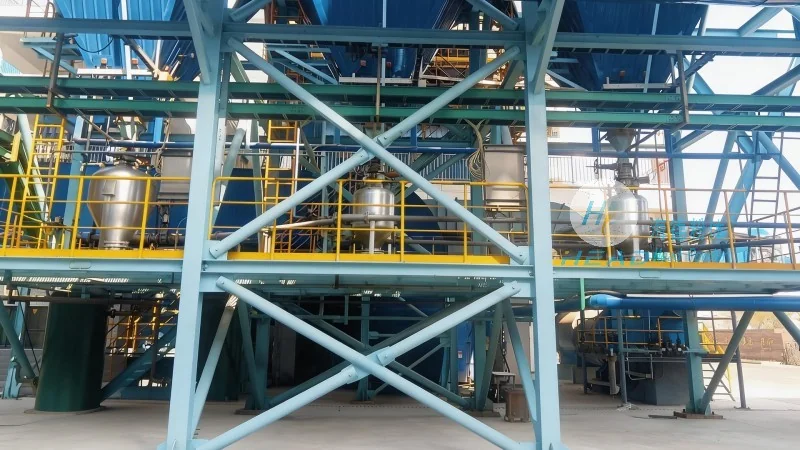
Implementing a diatomite pneumatic conveying machine offers several advantages over traditional material handling methods. One of the primary benefits is the ability to transport diatomite in a dust-free environment, which enhances workplace safety and reduces the risk of respiratory issues for operators. The system also provides a continuous and uniform flow of material, minimizing downtime and improving production efficiency. Additionally, the compact design of pneumatic conveying systems allows for easier integration into existing production lines, reducing the need for extensive infrastructure modifications. The low maintenance requirements and long service life of these machines further contribute to their cost-effectiveness in the long run.
Applications in Industrial Settings
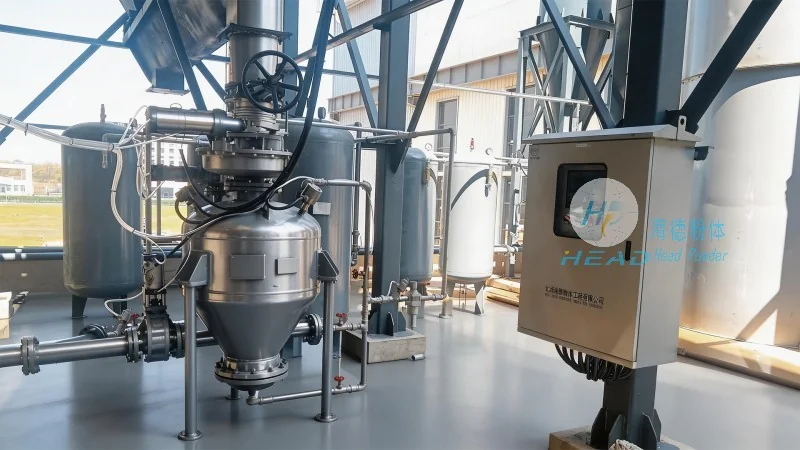
Diatomite pneumatic conveying machines are widely used in various industrial applications where diatomite is a key raw material. These include the production of filters, paints, and cosmetics, as well as in the food and pharmaceutical industries. The ability to handle diatomite efficiently and safely makes these machines indispensable in processes that require precise material control. For example, in the production of diatomaceous earth filters, the pneumatic conveying system ensures that the diatomite is delivered to the filter manufacturing line without contamination or loss. Similarly, in the cosmetics industry, the system maintains the purity of diatomite, which is crucial for producing high-quality products.
Conclusion and Company Information
HeadPowder Engineering Co., Ltd., based in Shandong, China, is a trusted provider of diatomite pneumatic conveying machines. With a focus on innovation and quality, the company designs and manufactures systems that meet the specific needs of its clients. The operational process and working principles of these machines are designed to ensure efficient, safe, and reliable material transport. By choosing HeadPowder, industries can enhance their production processes and improve overall operational efficiency. The company’s commitment to customer satisfaction and product excellence makes it a preferred partner for businesses seeking advanced material handling solutions.