

Operation Process and Working Principle of Steel Sand Pneumatic Conveying System Equipment
HeadPowder, a leading manufacturer based in Shandong, China, specializes in the design, development, and production of advanced pneumatic conveying systems for steel sand applications. Our systems are engineered to efficiently transport steel sand from storage to processing facilities, ensuring optimal performance and reliability in industrial settings.
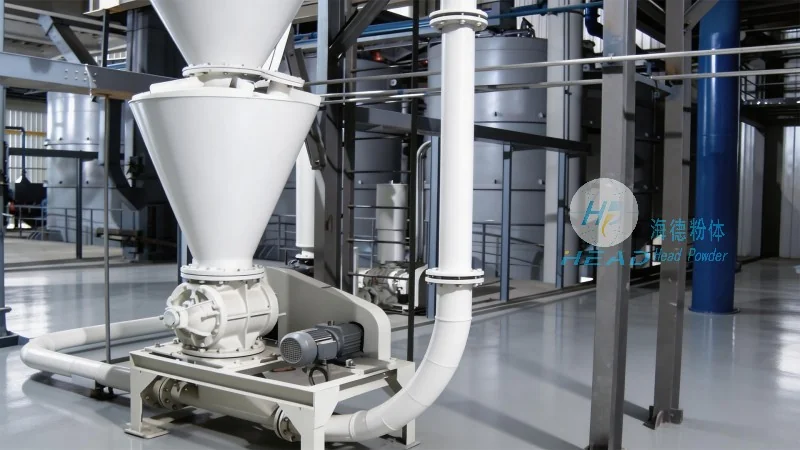
Key Components of the Pneumatic Conveying System
The steel sand pneumatic conveying system typically consists of several critical components, each playing a vital role in the overall operation. These include the hopper for material storage, a rotary valve or feeder to control the flow of steel sand, a conveying pipeline network, a pressure vessel or receiver to collect the material at the destination, and a blower or air compressor to generate the necessary air pressure. Additionally, the system may incorporate filters, cyclones, and control panels to ensure safe and efficient operation.
Working Principle of the Pneumatic Conveying Process
The working principle of the steel sand pneumatic conveying system relies on the movement of air under pressure to transport the solid material. When the system is activated, the blower generates a high-pressure airflow that enters the conveying pipeline. The steel sand is then introduced into the pipeline, either by gravity from the hopper or via a feeder mechanism. The air and steel sand mixture travels through the pipeline, with the air providing the necessary force to move the material. At the receiving end, the air is separated from the steel sand using a cyclone or filter, allowing the steel sand to be deposited into the designated container or processing equipment.
Operation Process: Step-by-Step Overview
The operation of the steel sand pneumatic conveying system follows a systematic process to ensure consistent and reliable material transport. The steps involved are as follows:
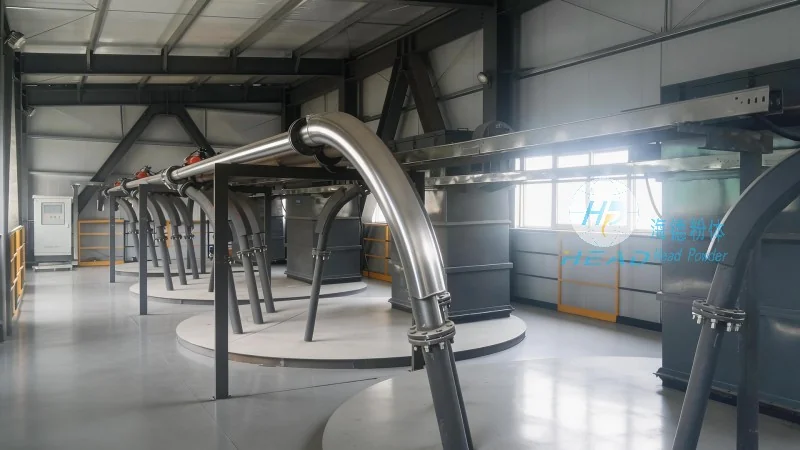
1. Material Loading: Steel sand is loaded into the hopper from a storage silo or container. The hopper is designed with a smooth interior to prevent material buildup and ensure uniform flow.
2. Feeding Control: A rotary valve or feeder regulates the flow of steel sand from the hopper into the conveying pipeline. This control mechanism ensures that the material is fed at a consistent rate, preventing overloading or underfeeding that could affect system performance.
3. Air Compression: The blower or air compressor is activated, generating a high-pressure airflow. The pressure is maintained at a level sufficient to overcome the resistance in the pipeline and move the steel sand.
4. Conveying: The steel sand is entrained by the air and transported through the pipeline to the receiving location. The pipeline design, including bends and fittings, is optimized to minimize pressure loss and ensure smooth material flow.
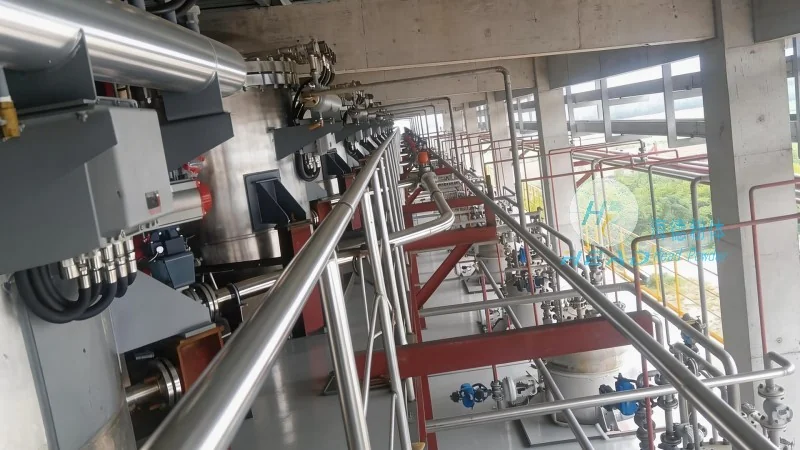
5. Material Separation: At the destination, a cyclone or filter separates the steel sand from the air. The steel sand is collected in the receiver, while the air is either recirculated back to the blower or discharged to the atmosphere, depending on the system configuration.
6. System Monitoring: The control panel continuously monitors key parameters such as pressure, flow rate, and temperature. Any deviations are detected and adjusted automatically to maintain optimal operation.
Advantages of the Steel Sand Pneumatic Conveying System
Implementing a steel sand pneumatic conveying system offers several advantages over traditional mechanical conveying methods. These include reduced labor costs due to automated material handling, improved safety by minimizing manual handling of heavy or abrasive materials, and enhanced process efficiency through consistent material flow rates. Additionally, the system is compact and can be installed in confined spaces, making it suitable for various industrial applications.