

Operation Process and Working Principle of Sugar Pneumatic Conveying System Equipment
For industries dealing with bulk sugar handling, efficient and reliable material transport is crucial. The pneumatic conveying system, as a key piece of equipment, offers a solution that combines performance with operational flexibility. This article delves into the operation process and working principle of such systems, providing a comprehensive understanding for professionals in the field.
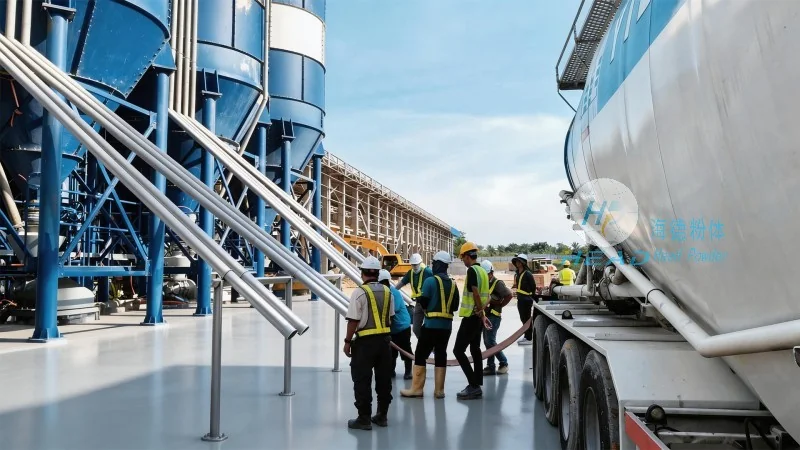
Components of a Typical Sugar Pneumatic Conveying System
A standard sugar pneumatic conveying system consists of several core components that work in tandem to achieve effective material transport. These include the hopper or storage silo, the air compressor or blower, the conveying line (usually made of metal or flexible tubing), the control valves, and the discharge point or receiver. Each component plays a vital role in the overall functionality of the system. The hopper is responsible for storing the sugar, ensuring a consistent feed to the system. The air compressor generates the necessary air pressure and flow, which is then directed into the conveying line. The control valves regulate the air and material flow, allowing for precise control over the transport process. The conveying line serves as the pathway for the sugar, while the discharge point collects the material at the end of the process.
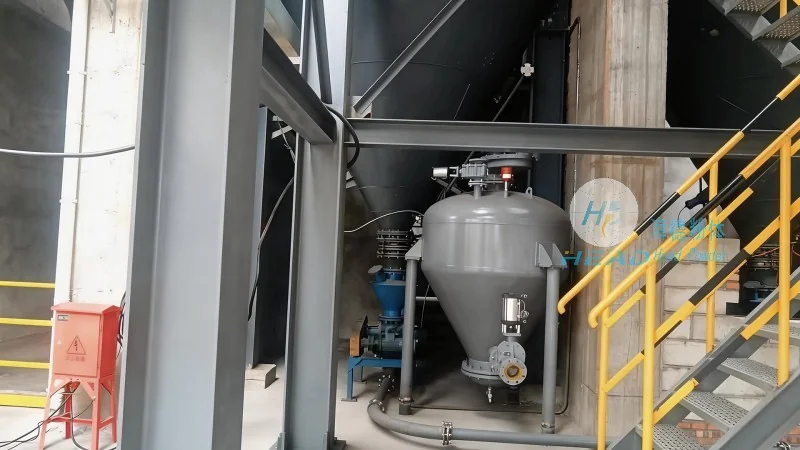
The Operation Process: Step-by-Step
The operation process of a sugar pneumatic conveying system typically follows a sequence of actions designed to move sugar from the storage area to the processing or packaging stage. The process begins with the loading of sugar into the hopper. As the system starts, the air compressor activates and begins to generate a flow of air. This air is then introduced into the conveying line, creating a pressure differential that draws the sugar particles into the line. The sugar is then transported through the pipeline to the discharge point, where it is collected and prepared for further use. The entire process is controlled by the system's valves and sensors, ensuring precise and consistent material flow. For example, the system may be programmed to start the air compressor only when the hopper is filled to a certain level, preventing air from being wasted when there is no material to transport. The discharge point may also be equipped with a filter or separator to remove any air or dust from the sugar, ensuring that the final product is clean and free of contaminants.
Working Principle: How It Transports Sugar
The working principle of a pneumatic conveying system relies on the principles of fluid dynamics and particle movement. When air is forced through the conveying line at a sufficient velocity, it creates a low-pressure zone that pulls the sugar particles along with it. This is known as the "drag" or "pressure" conveying method. The system can operate in either positive or negative pressure modes, depending on the application and the distance of the transport. In positive pressure systems, air is blown into the line, pushing the material forward. This method is often used for short to medium distances and is effective for transporting sugar without causing excessive wear or degradation. In negative pressure systems, air is drawn out of the line, creating a vacuum that pulls the material. This method is suitable for longer distances and can handle more abrasive materials, but it requires more energy and may generate more dust. For sugar, which is a fine, dry granular material, the positive pressure method is often preferred as it minimizes product degradation and dust generation. The air velocity in the line must be high enough to keep the sugar particles suspended but not so high as to cause excessive wear on the equipment or damage to the sugar particles.
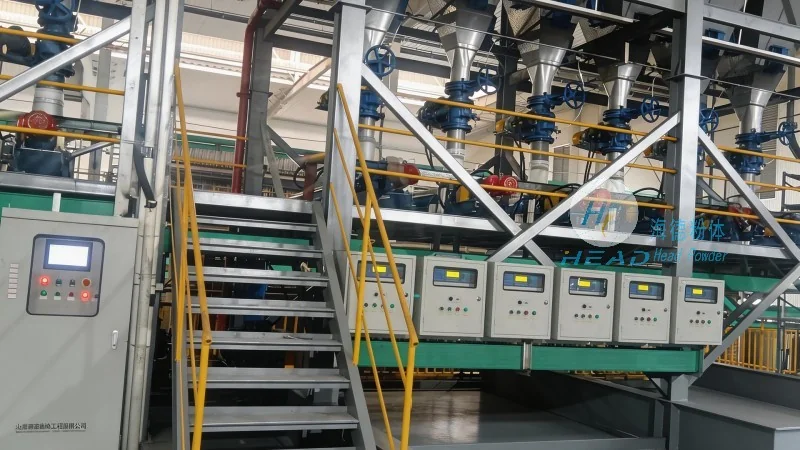
Key Considerations for Efficient Operation
Several factors contribute to the efficient operation of a sugar pneumatic conveying system. Proper air flow rate and pressure are critical to ensure that the sugar particles are adequately suspended and transported without clogging the line. The air flow rate is typically measured in cubic meters per hour (m³/h) or cubic feet per minute (cfm), and it must be adjusted based on the size and density of the sugar particles. The pressure in the system is usually measured in bars or psi, and it must be sufficient to overcome the resistance of the conveying line and any obstacles in the path. The design of the hopper and inlet must prevent material bridging or segregation, which can lead to uneven flow and blockages. For example, the hopper may be equipped with a cone or a vibratory feeder to ensure that the sugar flows smoothly into the conveying line. The conveying line must be properly sized and supported to prevent sagging or kinking, which can cause the line to collapse or the sugar to accumulate. Regular maintenance of the air compressor and conveying line is also essential to prevent wear and tear and maintain system performance. This includes checking the air filter, lubricating moving parts, and inspecting the line for any signs of wear or damage. The system's control system should be equipped with sensors to monitor pressure, flow, and material level, allowing for real-time adjustments and preventing operational issues. For instance, if the pressure in the line drops, the system may automatically increase the air flow rate to maintain the desired transport speed. If the material level in the hopper is low, the system may alert the operator to refill it, preventing downtime.