

Operation Process and Working Principle of Automatic Continuous Powder Pneumatic Conveying Line
For industrial applications requiring efficient and continuous handling of powders, the automatic continuous powder pneumatic conveying line represents a sophisticated solution. This system is designed to transport bulk powder materials from one location to another with minimal human intervention, ensuring high throughput and consistent performance. The following sections will detail the operational process and underlying principles of such a system, highlighting its key components and how they work in unison to achieve reliable material transport.
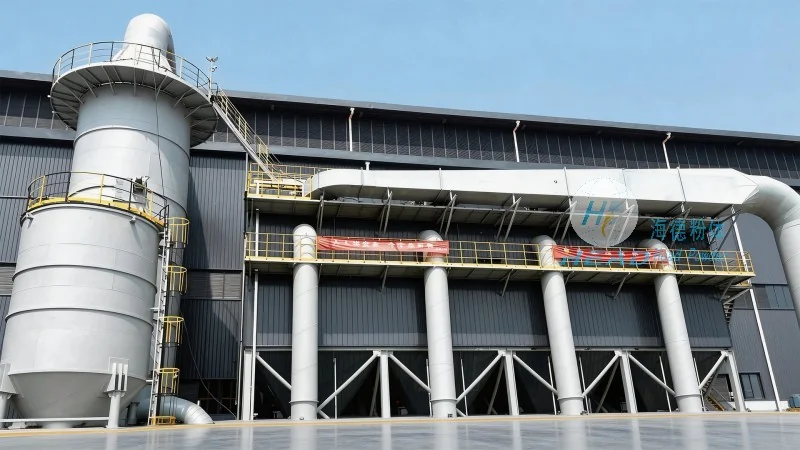
Overview of the Automatic Continuous Powder Pneumatic Conveying Line
The automatic continuous powder pneumatic conveying line is a specialized equipment system used in various industries, including pharmaceuticals, food processing, and chemical manufacturing. It enables the seamless transfer of dry powders, granules, or fine particles through an enclosed pipeline using air as the conveying medium. This method offers several advantages over traditional mechanical conveying systems, such as reduced product contamination, lower maintenance requirements, and the ability to handle materials that are sensitive to moisture or temperature changes.
Key Components and Their Functions
The operation of an automatic continuous powder pneumatic conveying line relies on several critical components, each playing a specific role in the material transport process. These components typically include a hopper for material storage, a feeder to control the flow rate, a conveying line (usually made of stainless steel or other corrosion-resistant materials), a compressor or blower to generate the air pressure, and a receiver or discharge unit for the final material collection. Additionally, the system may incorporate features like filters, cyclones, or pressure regulators to ensure optimal performance and safety.
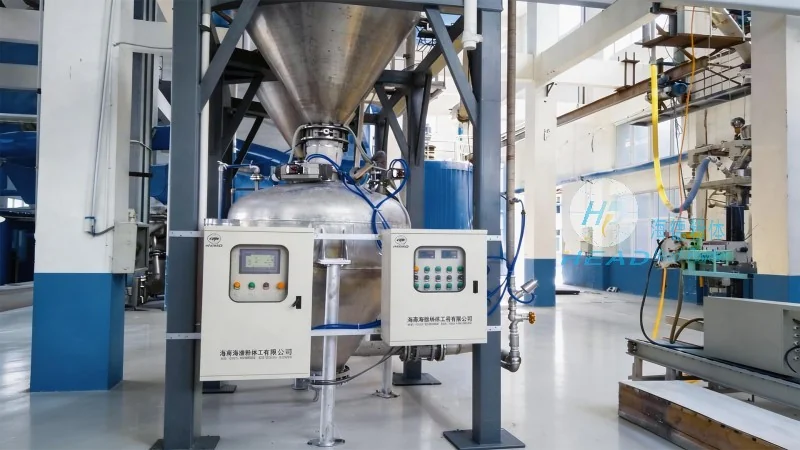
Operation Process: Step-by-Step Explanation
The operation of the automatic continuous powder pneumatic conveying line follows a systematic sequence to ensure continuous and efficient material transport. The process begins with the loading of the powder into the hopper, where the material is stored under controlled conditions. The feeder then regulates the flow of powder into the conveying line, ensuring a consistent feed rate. Simultaneously, the compressor or blower generates the necessary air pressure, which is introduced into the conveying line. As the air flows through the pipeline, it creates a low-pressure zone that draws the powder particles into the air stream, forming a dense mixture known as a "pneumatic slurry." This mixture travels through the pipeline to the discharge point, where the air is separated from the powder, typically using a cyclone or filter. The separated powder is then collected in the receiver, while the air is either recirculated or vented to the atmosphere.
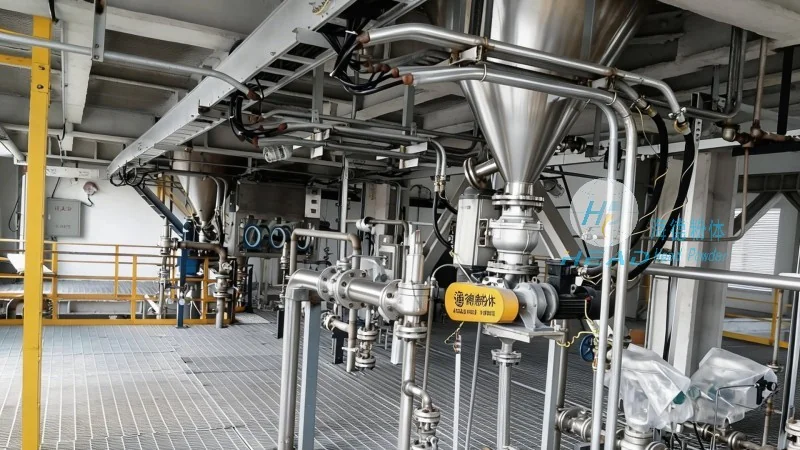
Working Principle: The Physics Behind the Conveying Process
The working principle of the automatic continuous powder pneumatic conveying line is based on the fundamental physics of fluid dynamics and particle motion. The system operates by creating a pressure differential between the inlet and outlet of the conveying line. The compressor or blower supplies compressed air, which enters the pipeline at a high velocity, generating a negative pressure (or low pressure) downstream. This pressure difference causes the powder particles to be entrained by the air stream, as the air flows around and through the particles. The key to efficient conveying is maintaining an appropriate air-to-powder ratio, which ensures that the particles are fully suspended and transported without settling or clogging the pipeline. The design of the system, including the size and shape of the pipeline, the angle of the conveying line, and the type of feeder, all contribute to optimizing this ratio and minimizing energy consumption.
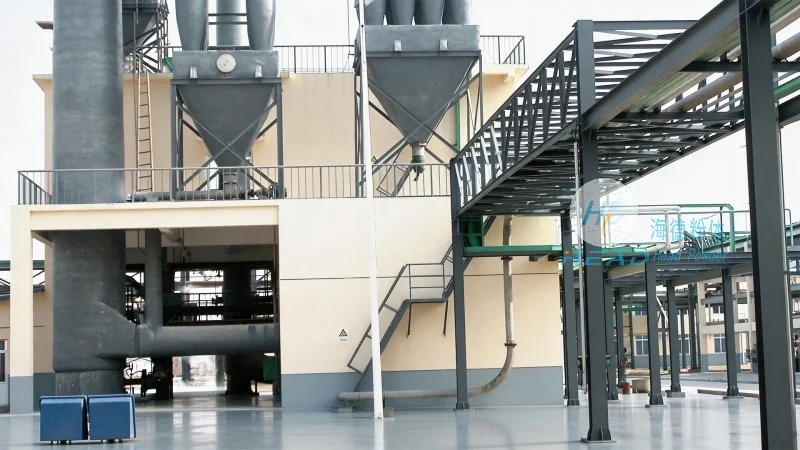
Advantages and Applications
The automatic continuous powder pneumatic conveying line offers numerous advantages over traditional conveying methods, making it a preferred choice for many industrial applications. Some of the key benefits include: high throughput and continuous operation, reduced product contamination and degradation, lower maintenance costs due to fewer moving parts, and the ability to handle a wide range of powder types, including those that are abrasive, corrosive, or sensitive to moisture. These systems are widely used in industries such as pharmaceuticals, where product purity is critical; food processing, for handling ingredients like flour and sugar; and chemical manufacturing, for transporting raw materials and finished products. The flexibility of the system allows it to be customized to meet specific process requirements, including varying material types, flow rates, and distances.
Conclusion
In conclusion, the automatic continuous powder pneumatic conveying line is a highly efficient and reliable system for transporting bulk powder materials. By understanding its operation process and working principles, users can optimize its performance for their specific applications. The integration of advanced components and control systems ensures consistent and safe material transport, making it an essential equipment in modern industrial operations. As a leading provider in this field, Shandong HeadPowder Engineering Co., Ltd. specializes in designing and manufacturing such systems to meet the diverse needs of industries worldwide.