

Operation Process and Working Principle of Gypsum Sand Powder Pneumatic Conveying Machine
HeadPowder, a leading provider in the field of powder handling equipment, specializes in the design, manufacturing, and supply of advanced pneumatic conveying systems. Our company, Shandong HeadPowder Engineering Co., Ltd., is headquartered in Shandong, China, and has established a strong reputation for delivering high-quality solutions tailored to the needs of various industrial sectors. This article focuses on the operation process and working principle of our gypsum sand powder pneumatic conveying machine, which is engineered to efficiently transport bulk powders like gypsum sand with precision and reliability.
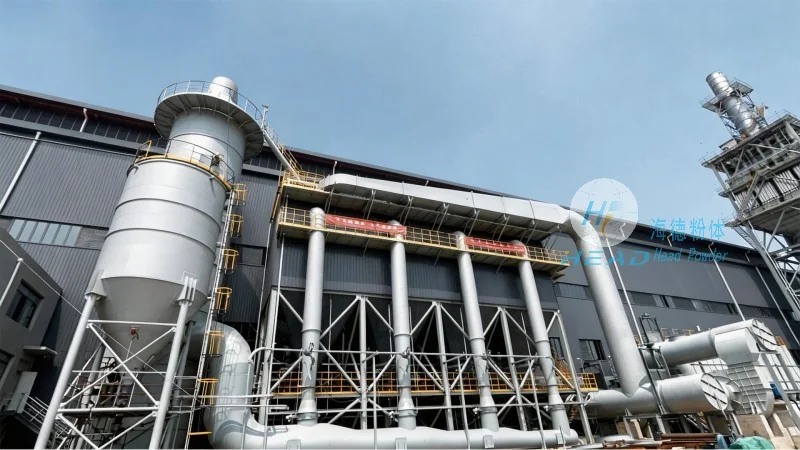
Introduction to Gypsum Sand Powder Pneumatic Conveying Machine
The gypsum sand powder pneumatic conveying machine is a sophisticated piece of equipment designed to handle the transportation of fine to medium-sized powders, such as gypsum sand, in industrial applications. This system utilizes the principles of pneumatic conveying, where powders are transported through a pipeline using a gas stream, typically air or other gases. The machine is built with robust components that ensure durability and consistent performance, making it suitable for demanding environments in the construction, mining, and chemical industries.
Key Components of the Pneumatic Conveying System
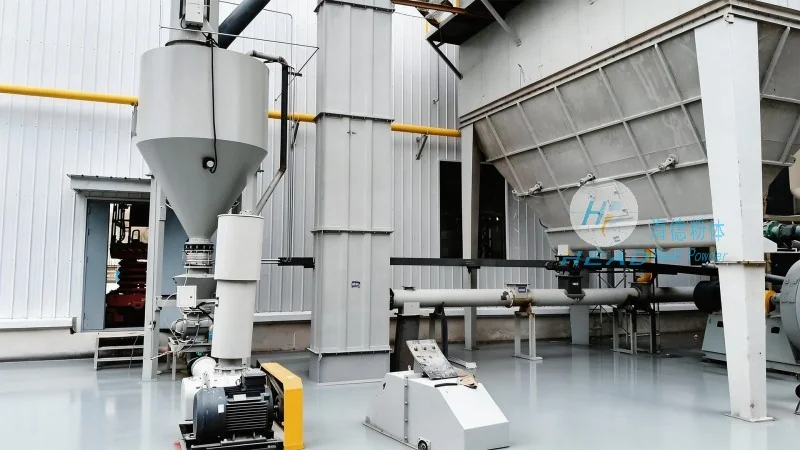
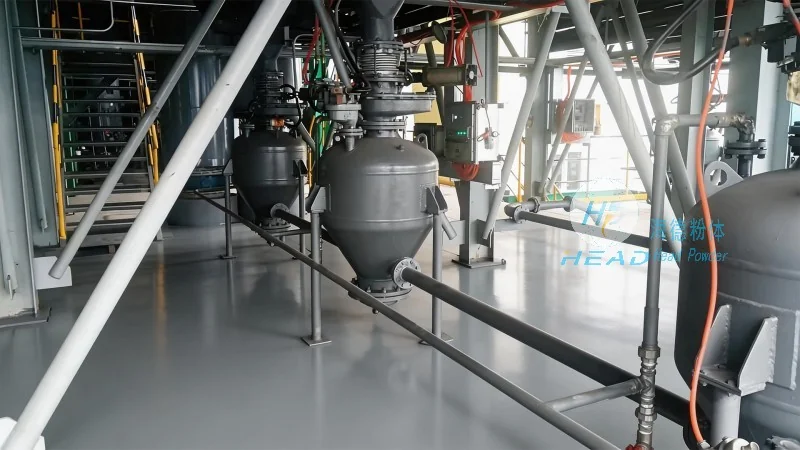
The gypsum sand powder pneumatic conveying machine comprises several critical components that work in tandem to achieve efficient powder transport. These components include the hopper for material storage, the feeder to control the flow rate, the conveying line where the powder is propelled, the pressure vessel or receiver for collecting the material at the destination, and the air compressor or blower that generates the necessary airflow. Each component is carefully engineered to ensure optimal functionality and minimal maintenance requirements.
Operation Process of the Gypsum Sand Powder Pneumatic Conveying Machine
The operation process of the gypsum sand powder pneumatic conveying machine begins with the loading of gypsum sand into the hopper. The feeder then regulates the flow of the powder into the conveying line, ensuring a consistent feed rate. Simultaneously, the air compressor generates a high-pressure air stream that is introduced into the conveying line. As the air flows through the line, it entrains the gypsum sand particles, forming a dense mixture known as a slurry or a dilute phase flow, depending on the system design. The mixture travels through the pipeline to the receiving hopper or pressure vessel at the destination. Upon reaching the receiver, the air is separated from the powder, either through a cyclone separator or a filter, and the air is discharged back to the atmosphere or recirculated, while the gypsum sand is collected for further processing or use.
Working Principle of the Pneumatic Conveying System
The working principle of the gypsum sand powder pneumatic conveying machine is based on the fundamental concept of fluidization and particle suspension. The air compressor provides the necessary pressure to create a flow of air through the conveying line. As the air velocity reaches a critical threshold, it lifts and suspends the gypsum sand particles, allowing them to be transported along the pipeline. The system can operate in either positive pressure or negative pressure modes. In positive pressure systems, the air is pressurized and forced through the line, while in negative pressure systems, the air is drawn from the receiver and the material is pulled through the line. The choice of system depends on factors such as the distance of transport, the material properties, and the desired flow rate. The machine's design ensures that the powder is conveyed without degradation, caking, or segregation, maintaining the quality of the gypsum sand throughout the process.
Advantages and Applications
The gypsum sand powder pneumatic conveying machine offers several advantages over traditional conveying methods, such as belt conveyors or bucket elevators. These advantages include the ability to transport powders in a closed system, which prevents dust contamination and environmental pollution. The system is also flexible, allowing for changes in the conveying route without major modifications. Additionally, the machine can handle a wide range of particle sizes and moisture contents, making it suitable for various applications in the construction industry, where gypsum sand is used as a raw material for plaster and drywall production. The equipment is also utilized in mining operations for transporting ore dust and in chemical processing for handling fine powders.
Maintenance and Operational Considerations
To ensure the long-term performance and reliability of the gypsum sand powder pneumatic conveying machine, regular maintenance is essential. This includes checking the air compressor for proper operation, inspecting the feeder for blockages or wear, and cleaning the conveying line and filters to prevent clogging. The system should also be monitored for pressure drops, which may indicate blockages or air leaks. Proper training of operators is crucial to handle the equipment safely and efficiently. By adhering to recommended maintenance schedules and operational guidelines, the machine can achieve high uptime and minimize downtime, ensuring consistent and reliable powder transport.