

Operation Process and Working Principle of Gaseous Pneumatic Conveyor for Graphite Crushed Powder
Graphite crushed powder pneumatic conveyors are advanced industrial equipment designed to efficiently transport fine graphite particles through a gas-liquid or gas-solid flow system. The operation of such conveyors involves a series of coordinated steps that ensure the safe and effective movement of material from the source to the destination. This article provides a detailed overview of the operational process and underlying working principles of these systems.
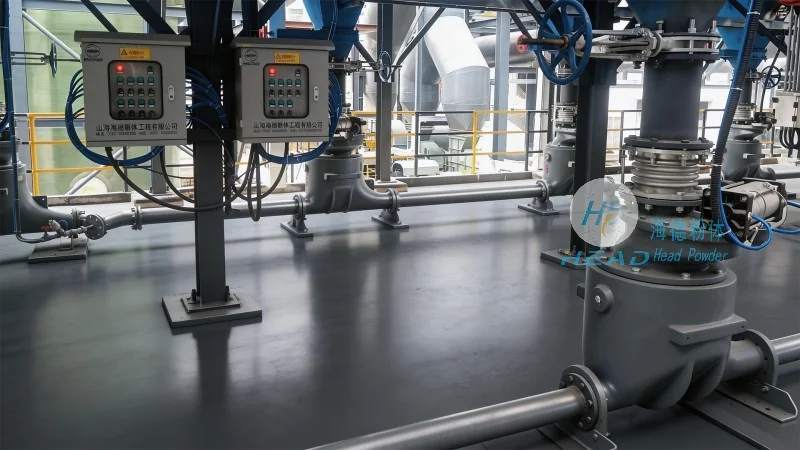
Introduction to Graphite Crushed Powder Pneumatic Conveyors
Graphite, a versatile material with high electrical conductivity and thermal stability, is often processed into crushed or powdered forms for various applications in industries like battery manufacturing, lubricants, and refractory materials. The transportation of these fine powders requires specialized equipment to prevent dust dispersion, material degradation, and system blockages. Pneumatic conveyors, which utilize air or other gases as the conveying medium, offer a solution by integrating material handling with air flow management. The company, Shandong HeadPowder Engineering Co., Ltd., specializes in the design and manufacturing of such conveyors, ensuring high efficiency and reliability for clients.
Key Components of the Pneumatic Conveyor System
The pneumatic conveyor system for graphite crushed powder typically consists of several critical components that work in tandem to achieve the desired material transport. These components include the material feed hopper, the air supply system (usually a blower or compressor), the conveying line (often a flexible or rigid pipe), and the discharge unit. The feed hopper is designed to hold the graphite powder and control the flow rate into the system, preventing overloading or uneven distribution. The air supply system generates the necessary pressure and flow rate to move the material through the line. The conveying line may be made of stainless steel or other corrosion-resistant materials to handle the abrasive nature of graphite particles. The discharge unit collects the material at the end of the line, ensuring a clean and controlled release.
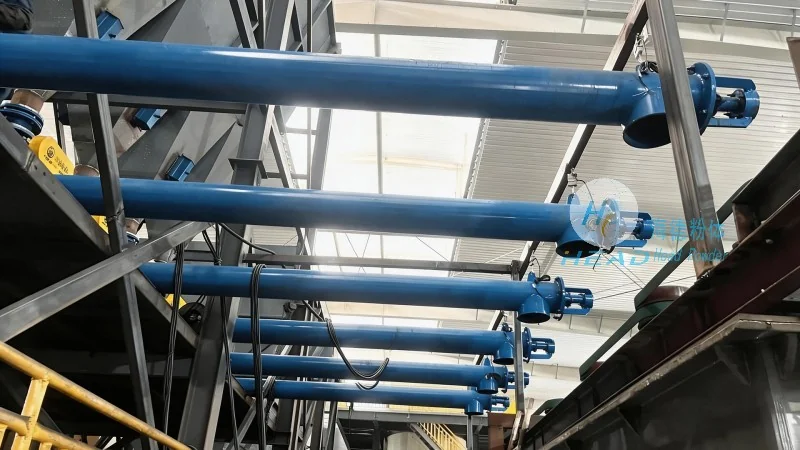
Operation Process: Step-by-Step Overview
The operation of the graphite crushed powder pneumatic conveyor begins with the loading of the graphite powder into the feed hopper. The system then activates the air supply, which creates a flow of air through the conveying line. As the air moves, it draws the graphite particles into the line, forming a suspension. The air velocity is carefully controlled to maintain the suspension without causing excessive wear on the system components. The material is then transported from the feed point to the discharge point, where it is collected. The process continues until the feed hopper is emptied or the system is stopped for maintenance. The entire operation is monitored for pressure, flow rate, and material level to ensure optimal performance.
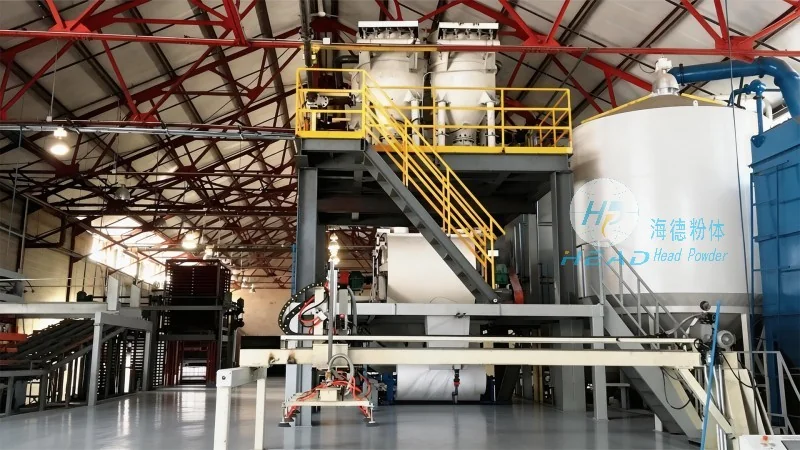
Working Principle: Fluidization and Suspension Mechanism
The core working principle of the pneumatic conveyor is the creation of a fluidized or suspended state of the graphite particles within the air stream. When air is introduced into the conveying line at a sufficient velocity, it lifts the particles and keeps them in motion, preventing them from settling or sticking to the pipe walls. This suspension is achieved through the balance between the air's upward force and the gravitational force acting on the particles. The air velocity must be high enough to overcome the particle's weight but not so high as to cause excessive pressure drop or wear on the system. The fluidization process ensures that the material is transported efficiently and without clogging, as the particles remain in a dispersed state throughout the conveying process.
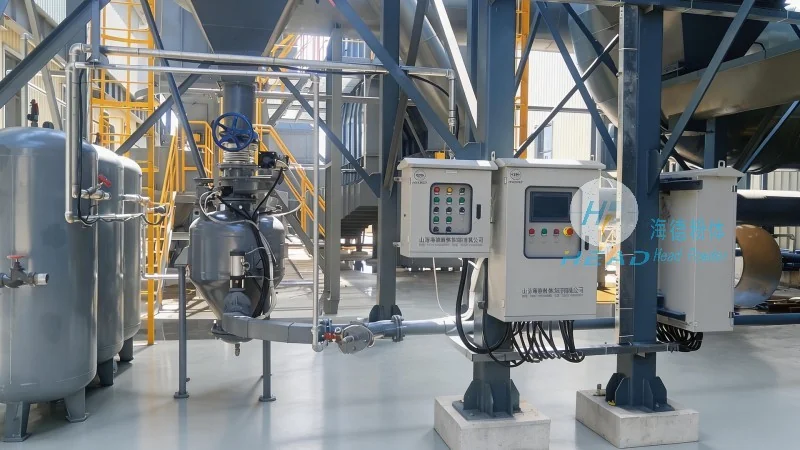
Advantages of Using Pneumatic Conveyors for Graphite Powder
Compared to traditional mechanical conveyors, pneumatic conveyors offer several advantages for transporting graphite crushed powder. First, they are highly effective in preventing dust dispersion, which is crucial for maintaining a clean and safe working environment. The enclosed system keeps the material contained, reducing the risk of inhalation or environmental contamination. Second, pneumatic conveyors can handle a wide range of particle sizes and shapes, including fine powders that are difficult to transport with other methods. Third, they provide flexibility in system layout, as the conveying line can be arranged in various configurations to suit the plant layout. Fourth, the system can be easily integrated with other processing equipment, such as classifiers or mixers, to form a complete production line. These advantages make pneumatic conveyors an ideal choice for industries that require efficient and reliable transportation of graphite powders.
Maintenance and Operational Considerations
Proper maintenance is essential to ensure the long-term performance and reliability of the graphite crushed powder pneumatic conveyor. Regular checks of the air supply system, including the blower or compressor, are necessary to maintain the required pressure and flow rate. The conveying line should be inspected for signs of wear or blockage, and cleaned as needed to prevent material buildup. The feed hopper and discharge unit should also be maintained to ensure smooth material flow. Operational considerations include monitoring the system for pressure drops, which may indicate clogging or wear, and adjusting the air flow rate as needed. Additionally, the system should be operated within the recommended pressure and temperature ranges to prevent damage to components. By following these maintenance and operational guidelines, the conveyor can operate efficiently and provide consistent performance over its service life.