

Operation Process and Working Principle of River Sand Material Pneumatic Conveying System
HeadPowder, a leading engineering company based in Shandong, China, specializes in the design, manufacturing, and installation of advanced pneumatic conveying systems for various bulk materials, including river sand. This article provides a detailed overview of the operation process and working principles of such systems, highlighting their efficiency, reliability, and application in construction and industrial sectors.
Key Components of a Pneumatic Conveying System
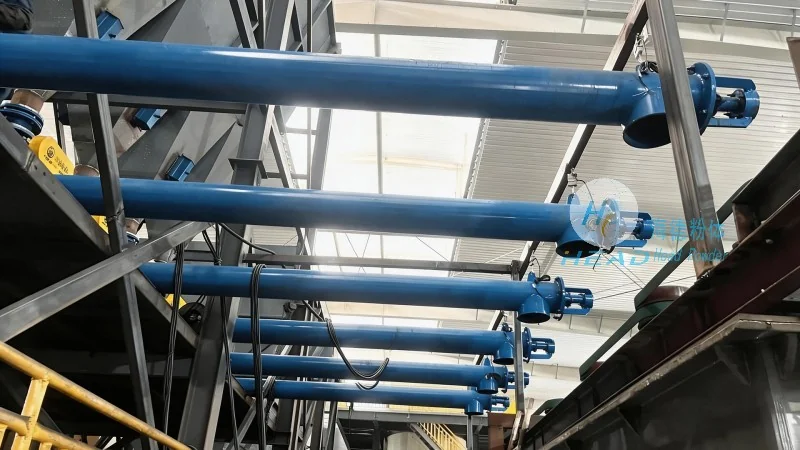
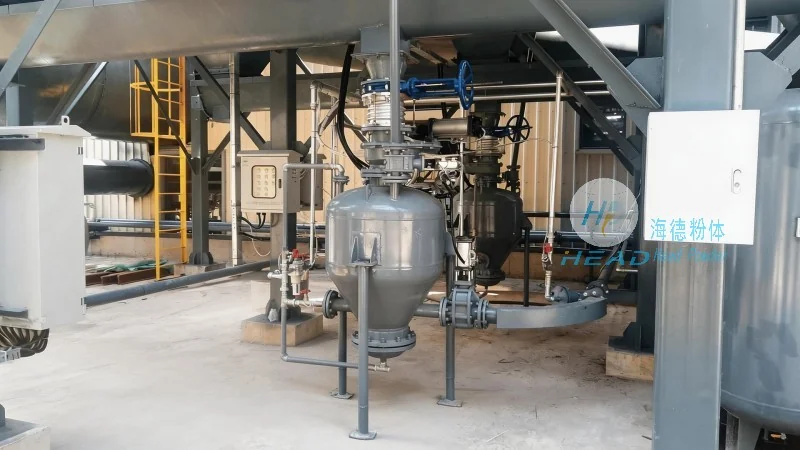
A typical pneumatic conveying system for river sand consists of several critical components that work in tandem to ensure smooth material transport. These include a material hopper for storage, a feeder to control the flow rate, a conveying line (often equipped with bends and straight sections), a dust collector to maintain air quality, and a discharge unit for material release. Each component plays a vital role in the overall system performance, and their proper integration is essential for optimal operation.
Working Principle of Pneumatic Conveying
The core principle of pneumatic conveying is the use of compressed air to transport bulk materials through a pipeline. In the case of river sand, the system operates by first feeding the sand from the hopper into the conveying line. The feeder regulates the flow rate, ensuring a consistent supply of material. Compressed air is then introduced into the line, creating a flow that propels the sand particles forward. The air velocity is carefully controlled to maintain a stable conveying condition, preventing material deposition or blockages. The system uses positive pressure or negative pressure (or a combination of both) depending on the application requirements, with positive pressure being more common for river sand due to its higher density and potential for abrasiveness.
Operation Process: Step-by-Step Guide
The operation of a river sand pneumatic conveying system follows a systematic process, which can be broken down into several key steps:
1. Material Loading: River sand is loaded into the storage hopper from a truck or other bulk storage container. The hopper is equipped with a level indicator to monitor the material volume.
2. Feeding and Air Supply: The feeder, typically a rotary valve or screw feeder, controls the flow of sand from the hopper into the conveying line. Simultaneously, compressed air is supplied to the system, either from an air compressor or a dedicated air source. The air pressure is adjusted to match the conveying requirements, ensuring sufficient velocity to move the sand particles.
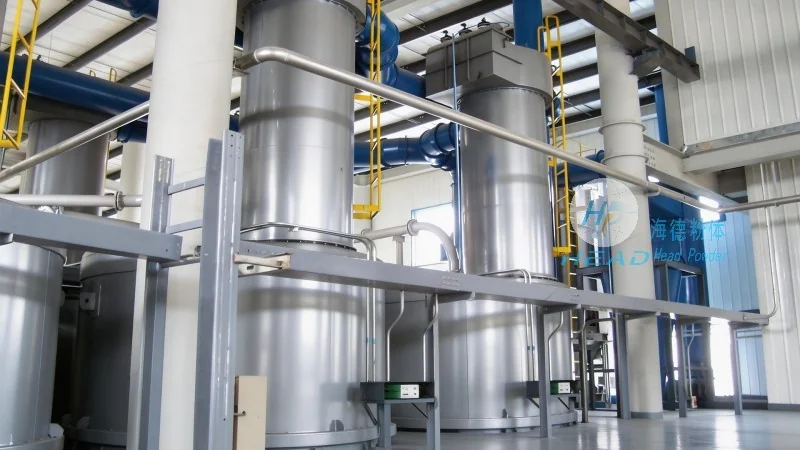
3. Conveying: As the sand enters the conveying line, the compressed air pushes the material through the pipeline. The system may include intermediate silos or surge hoppers to buffer the material flow, preventing overloading or underloading of downstream equipment.
4. Dust Collection: A dust collector is integrated into the system to capture any airborne particles, ensuring compliance with environmental regulations and maintaining air quality in the workspace. The collected dust is typically returned to the conveying line or disposed of as per local regulations.
5. Discharge: At the receiving end of the pipeline, the sand is discharged into a storage tank, silo, or directly into a processing unit. The discharge unit may include a rotary valve or gate valve to control the release of material, preventing spills and ensuring a controlled flow.
Advantages of Pneumatic Conveying for River Sand
Pneumatic conveying systems offer several advantages when handling river sand, making them a preferred choice for many industries:
1. Continuous Operation: Unlike mechanical conveyors, pneumatic systems allow for continuous, unattended operation, reducing labor costs and increasing productivity.
2. Low Maintenance: With fewer moving parts compared to mechanical systems, pneumatic conveyors require less maintenance, resulting in lower operational costs over time.
3. Flexibility: The system can be easily reconfigured or expanded to accommodate changes in material flow rates or process requirements, providing flexibility for growing operations.
4. Reduced Downtime: By eliminating the need for physical contact between the material and the conveyor, pneumatic systems minimize wear and tear, reducing downtime due to equipment failure.
5. Environmental Compliance: The integrated dust collection system ensures that the operation complies with environmental regulations, protecting both the workforce and the surrounding environment.
Applications in Construction and Industry
River sand is a critical raw material in construction, and pneumatic conveying systems are widely used to transport it from storage sites to construction sites or processing facilities. These systems are also applied in industrial processes where sand is used as an abrasive or filler material. The efficiency and reliability of pneumatic conveying make it an ideal solution for handling large volumes of river sand while maintaining quality and safety standards.
Conclusion
HeadPowder Engineering Co., Ltd., based in Shandong, China, provides comprehensive solutions for river sand pneumatic conveying systems, combining advanced technology with expert engineering. By understanding the operation process and working principles of such systems, users can optimize their material handling processes, improve efficiency, and ensure compliance with industry standards. The company's commitment to quality and customer satisfaction makes it a trusted partner for businesses seeking reliable pneumatic conveying solutions for river sand and other bulk materials.