

Operation Process and Working Principle of Iron Oxide Material Pneumatic Conveying Equipment
HeadPowder, a leading engineering company based in Shandong, China, specializes in the design, manufacturing, and installation of advanced pneumatic conveying systems for various industrial applications. This article provides a detailed overview of the operation process and working principle of iron oxide material pneumatic conveying equipment, highlighting the technical aspects and operational efficiency of such systems.
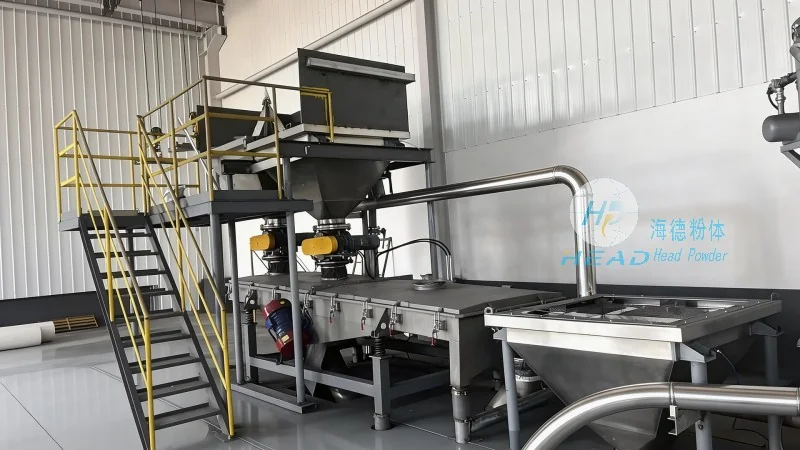
Overview of Iron Oxide Material Pneumatic Conveying Equipment
Iron oxide, commonly used in industries such as pigments, ceramics, and metallurgy, is often handled in bulk quantities. Traditional conveying methods like belt conveyors or bucket elevators may not be suitable for iron oxide due to its abrasive nature and potential dust generation. Pneumatic conveying systems offer a more efficient and safe solution, enabling the transport of iron oxide from storage silos to processing units without the need for mechanical contact with the material. The equipment typically consists of a hopper, a feeder, a conveying line, and a receiver, all integrated to ensure smooth and continuous material flow.
Key Components of the Pneumatic Conveying System
The pneumatic conveying system for iron oxide material includes several critical components that work in tandem to achieve effective transport. The hopper serves as the storage vessel, holding the iron oxide in a controlled manner. The feeder, often a rotary valve or a screw feeder, regulates the flow of material from the hopper into the conveying line. The conveying line, usually made of stainless steel or other corrosion-resistant materials, is designed to withstand the abrasive properties of iron oxide. The receiver at the end of the line collects the conveyed material and may include a dust collection system to ensure environmental compliance. Additionally, the system may incorporate a blower or a positive displacement pump to generate the necessary air pressure for material transport.
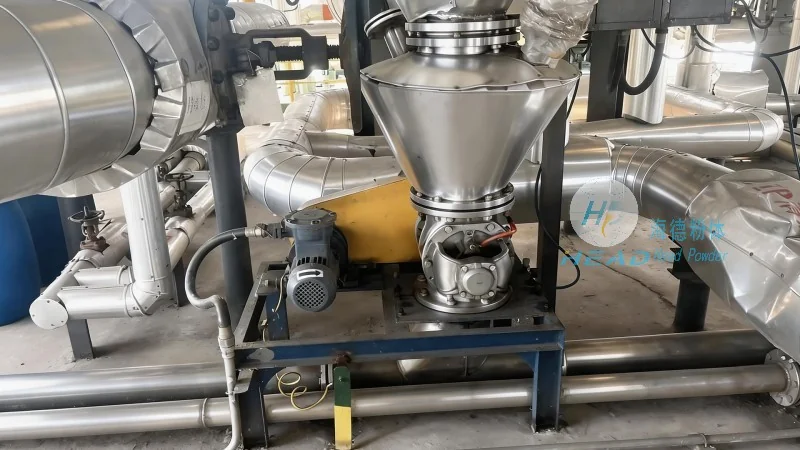
Operation Process of Iron Oxide Material Pneumatic Conveying
The operation process of the iron oxide material pneumatic conveying system begins with the loading of the hopper. The feeder then starts to discharge the iron oxide into the conveying line at a controlled rate. The blower or pump generates a high-pressure air stream that propels the iron oxide particles through the conveying line. As the material travels, it is suspended in the air stream and transported to the receiver. The receiver may include a settling chamber to allow the iron oxide to separate from the air, and a dust collector to capture any fine particles. The system operates continuously, with the feeder and blower running in sync to maintain a steady flow of material. The entire process is automated, ensuring minimal human intervention and consistent performance.
Working Principle of Pneumatic Conveying for Iron Oxide
The working principle of the pneumatic conveying system relies on the principles of fluid dynamics and particle suspension. When the blower generates a high-pressure air stream, the iron oxide particles are entrained in the air and carried through the conveying line. The velocity of the air stream is crucial; it must be sufficient to lift and transport the particles without causing excessive wear on the equipment. The system operates under either positive pressure (where air is forced into the conveying line) or negative pressure (where air is drawn out of the receiver). For iron oxide, positive pressure systems are commonly used due to their ability to handle abrasive materials and prevent dust leakage. The design of the conveying line, including bends and elbows, is optimized to minimize pressure drop and maintain the air velocity required for effective transport. The receiver is equipped with a filter or cyclone to separate the iron oxide from the air, ensuring that the material is collected in a clean and dry state.
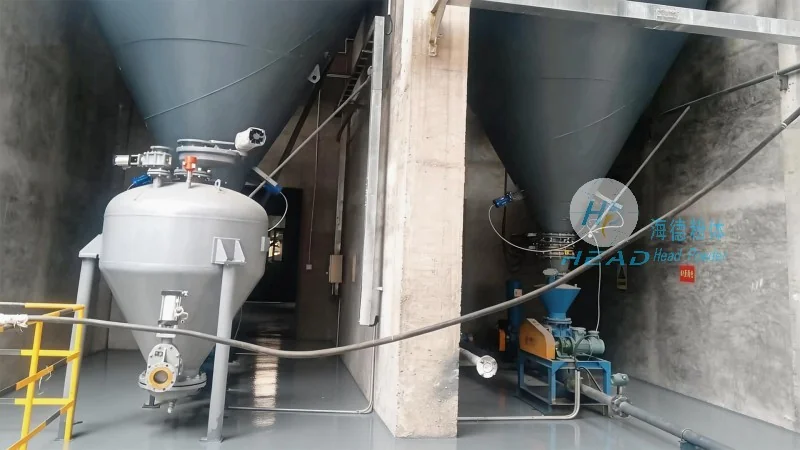
Advantages of Using Pneumatic Conveying for Iron Oxide
Pneumatic conveying systems offer several advantages over traditional conveying methods for iron oxide material. Firstly, they provide a dust-free operation, which is essential for maintaining a safe working environment and complying with environmental regulations. Secondly, the system is capable of handling abrasive materials without significant wear, as the iron oxide particles are suspended in the air rather than being in direct contact with the conveying components. Thirdly, the equipment is compact and can be installed in various configurations, making it suitable for both new and existing industrial facilities. Additionally, the automated operation reduces labor costs and ensures consistent material flow, improving overall production efficiency. The system also allows for easy integration with other processing equipment, such as mixers or reactors, enabling seamless material transfer throughout the production process.
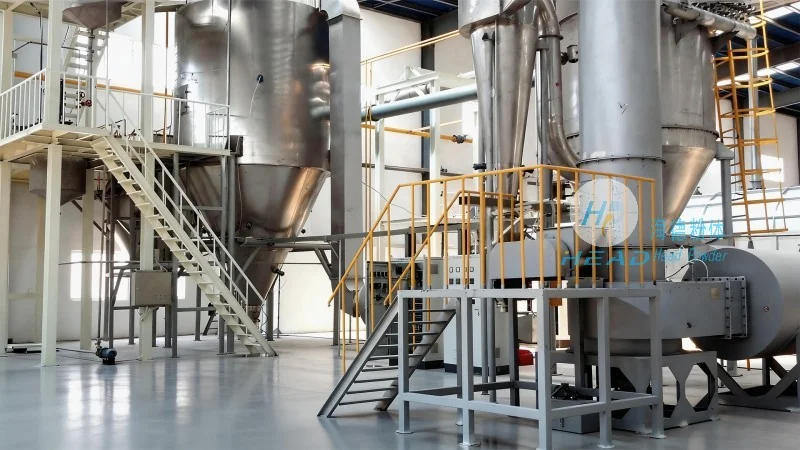
Maintenance and Operational Considerations
Proper maintenance is essential to ensure the long-term performance and reliability of the iron oxide material pneumatic conveying system. Regular inspection of the hopper and feeder for wear and clogging is necessary to prevent material blockages. The conveying line and receiver should be checked for signs of corrosion or damage, particularly in areas where the iron oxide particles may cause abrasion. The blower or pump should be maintained to ensure consistent air pressure and flow rate. The dust collection system should be cleaned regularly to prevent clogging and maintain its efficiency. Operational considerations include monitoring the system for any changes in pressure or flow, as these may indicate issues with the material feed or equipment performance. By following proper maintenance procedures and operational guidelines, the system can operate efficiently for extended periods, minimizing downtime and maximizing productivity.
Conclusion
HeadPowder's iron oxide material pneumatic conveying equipment is a reliable and efficient solution for transporting iron oxide in industrial applications. The system's design, based on advanced pneumatic conveying principles, ensures safe, dust-free operation and minimal wear on components. By understanding the operation process and working principle, users can optimize the system for their specific needs, improving production efficiency and reducing operational costs. With its robust construction and automated operation, this equipment is a valuable asset for industries relying on iron oxide materials, providing a sustainable and effective solution for material handling.