

Operation Process and Working Principle of Hydrogen Chloride Material Pneumatic Conveying Equipment
Hydrogen chloride (HCl) is a highly corrosive and toxic gas widely used in chemical manufacturing processes. The safe and efficient transportation of HCl from production sites to processing units is critical for industrial operations. Pneumatic conveying systems have emerged as a reliable solution for handling HCl materials, offering advantages such as minimal exposure to personnel, reduced risk of leakage, and the ability to transport materials over long distances. This article provides an in-depth look at the operation process and working principle of hydrogen chloride material pneumatic conveying equipment, highlighting the key components, technical features, and practical applications of such systems.
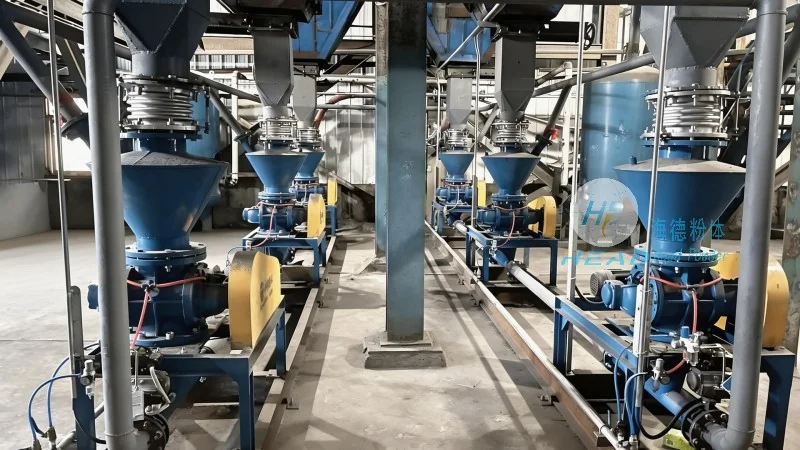
Introduction to Hydrogen Chloride Pneumatic Conveying Systems
Shandong HeadPowder Engineering Co., Ltd., a leading manufacturer based in Shandong, China, specializes in the design and production of advanced pneumatic conveying equipment tailored for hazardous materials like hydrogen chloride. The company's expertise lies in integrating robust engineering solutions with safety protocols to ensure optimal performance in demanding industrial environments. Pneumatic conveying systems for HCl materials typically consist of a series of components that work in tandem to transport the gas or its condensed form (aqua regia) through a sealed pipeline network. These systems are engineered to meet stringent safety standards, including explosion-proof designs and corrosion-resistant materials, to protect both personnel and equipment from the hazardous nature of HCl.
Key Components and Working Principle
The core components of a hydrogen chloride pneumatic conveying system include the material feed hopper, air compressor, conveying pipeline, dust collector (if applicable), and discharge hopper. The working principle revolves around the use of compressed air to create a flow that propels the HCl material through the pipeline. When the system is activated, the air compressor generates high-pressure air, which is then introduced into the conveying line. The HCl material is introduced into the system via the feed hopper, where it is mixed with the compressed air. The air and material mixture travels through the pipeline at a controlled velocity, ensuring that the material is transported without clogging or degradation. The discharge hopper collects the HCl material at the destination, while the air is typically filtered and recycled or vented safely. The system's design incorporates features such as check valves and pressure relief devices to prevent backflow and overpressure, enhancing safety and operational reliability.
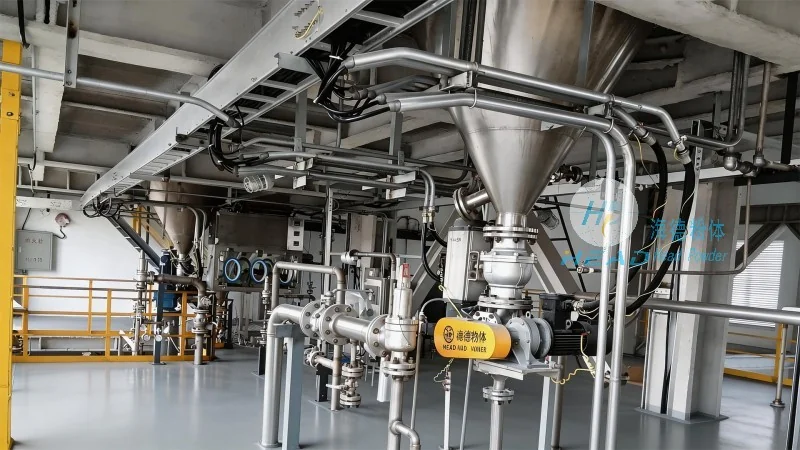
Detailed Operation Process
The operation of a hydrogen chloride pneumatic conveying system follows a systematic sequence to ensure efficient and safe material transport. The process begins with the preparation phase, where the HCl material is loaded into the feed hopper and the system is checked for proper functioning. Once the system is ready, the air compressor is started, and the compressed air is directed into the conveying pipeline. The feed hopper then releases the HCl material into the pipeline, where it is entrained by the high-velocity air stream. The material travels through the pipeline, which may include bends, valves, and filters, to reach the discharge point. At the destination, the material is collected in the discharge hopper, and the air is separated from the material using a cyclone or bag filter. The filtered air is then either recycled back into the system or released into the atmosphere, depending on the system's configuration. The system continues to operate until the material feed is stopped, at which point the air compressor is shut down, and the pipeline is depressurized to prevent any residual HCl from escaping. This sequence ensures that the entire operation is carried out in a controlled manner, minimizing the risk of accidents and maximizing material throughput.
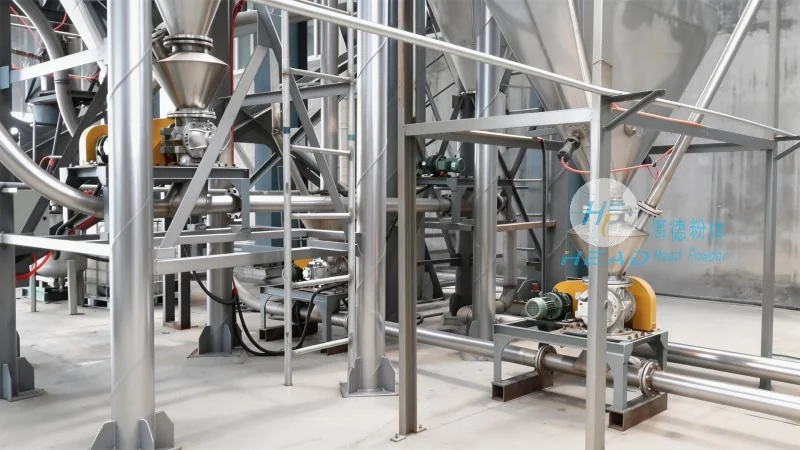
Technical Features and Advantages
Hydrogen chloride pneumatic conveying equipment from Shandong HeadPowder Engineering Co., Ltd. is equipped with several technical features that enhance its performance and safety. One of the key advantages is the use of corrosion-resistant materials, such as stainless steel and special alloys, to withstand the harsh chemical environment of HCl. The systems are also designed with explosion-proof components, including spark-proof motors and pressure relief valves, to comply with safety regulations. The air compressor is typically equipped with variable speed drives, allowing for adjustable air flow and pressure, which optimizes the conveying efficiency for different material types and pipeline lengths. Additionally, the systems incorporate advanced control systems that monitor pressure, flow, and temperature in real-time, providing operators with immediate feedback and enabling proactive maintenance. These features collectively contribute to higher operational efficiency, reduced downtime, and enhanced safety in handling HCl materials.
Application and Industry Relevance
The application of hydrogen chloride pneumatic conveying systems is widespread across various industries, including chemical manufacturing, pharmaceuticals, and petrochemicals. In chemical plants, these systems are used to transport HCl from reactors to storage tanks or processing units, ensuring a continuous and safe supply of the material. The systems are also utilized in the production of other chemicals, such as chlorinated compounds and pharmaceutical intermediates, where HCl is a key reagent. The ability to handle HCl in a sealed, controlled environment minimizes the risk of environmental contamination and ensures compliance with environmental regulations. Furthermore, the systems are designed to be flexible, allowing for integration with existing production lines and easy expansion as production needs change. The reliability and efficiency of pneumatic conveying systems make them a preferred choice for industries that require consistent and safe handling of hazardous materials like hydrogen chloride.