

Operation Process and Working Principle of Lithium Carbonate Material Pneumatic Conveying Equipment
HeadPowder, a leading engineering company based in Shandong, China, specializes in the design, manufacturing, and installation of advanced pneumatic conveying systems tailored for handling lithium carbonate materials. This article provides a detailed overview of the operational process and working principles of such equipment, highlighting its efficiency and reliability in industrial applications.
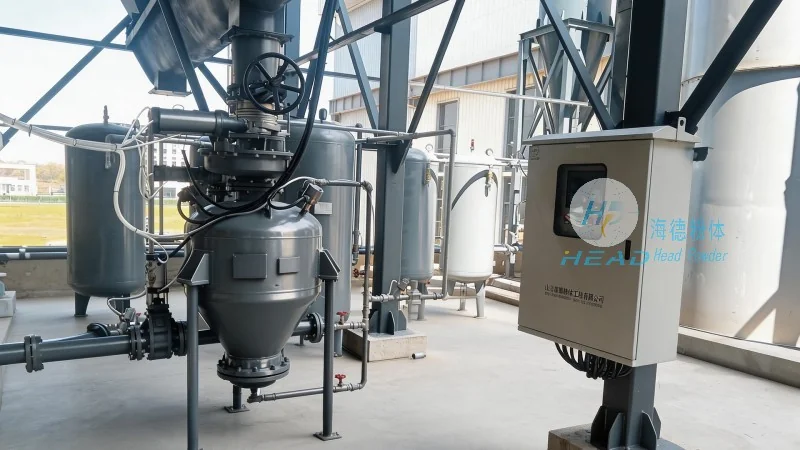
Introduction to Lithium Carbonate Pneumatic Conveying Systems
Lithium carbonate is a critical raw material in the production of lithium-ion batteries, which are integral to modern electronics and renewable energy storage. The efficient and safe transportation of this material from storage to processing units is essential for maintaining production line continuity and minimizing operational downtime. Pneumatic conveying systems offer a solution that eliminates the need for mechanical components like belts or buckets, reducing maintenance requirements and enhancing safety in handling potentially dusty or hazardous materials.
Key Components of the Pneumatic Conveying System
The lithium carbonate pneumatic conveying equipment typically consists of several core components that work in concert to transport material through an air stream. These components include a material hopper or feeder, a rotary airlock valve, a conveying line (often with bends and filters), a dust collector, and a receiver or discharge hopper. Each component plays a specific role in the overall process, ensuring that material is moved smoothly and efficiently from the source to the destination.
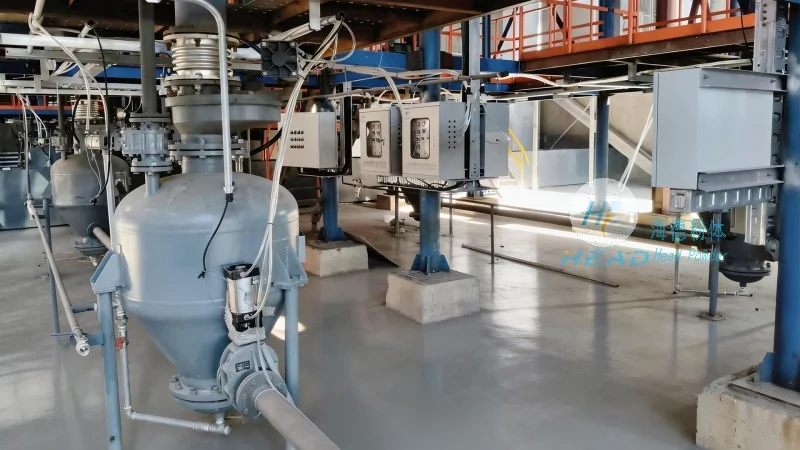
Operation Process of the Pneumatic Conveying Equipment
The operation of the lithium carbonate pneumatic conveying system begins with the material being fed into the hopper from a storage silo or batch container. The rotary airlock valve, positioned at the bottom of the hopper, regulates the flow of material into the conveying line by allowing it to discharge in discrete batches, preventing backflow and maintaining consistent air pressure. Simultaneously, a fan or blower generates a high-velocity air stream within the conveying line. As the material enters the line, it is entrained by the air and carried to the receiving hopper at the destination. The air stream then passes through a filter system to capture any fine particles, which are collected in a dust collector before the clean air is discharged back into the environment or recirculated.
Working Principle: Air Entrainment and Material Transport
The fundamental working principle of pneumatic conveying for lithium carbonate is air entrainment. The system relies on the principle that when air is forced through a material, it can lift and transport the particles if the air velocity is sufficient to overcome the gravitational force and the friction between particles. The velocity of the air stream is carefully controlled to ensure that the material is conveyed without excessive pressure drops or particle degradation. The design of the conveying line, including the angle of inclination and the size of the pipe, is optimized to maintain the required air velocity while minimizing energy consumption.
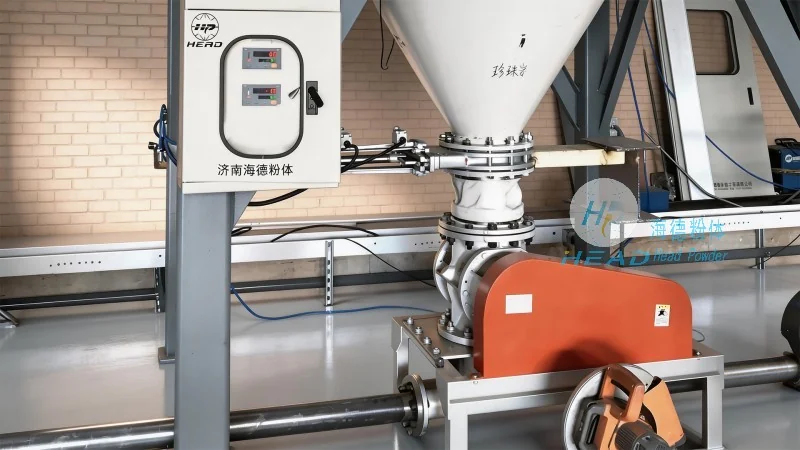
Advantages of Using Pneumatic Conveying for Lithium Carbonate
Implementing a pneumatic conveying system for lithium carbonate offers several advantages over traditional mechanical conveying methods. Firstly, it provides a fully enclosed system, which helps in controlling dust emissions and preventing contamination of the material. This is particularly important for lithium carbonate, as it needs to be handled in a clean environment to avoid moisture absorption or degradation. Secondly, the system is highly flexible, allowing for changes in the layout of the production line without major modifications. It can transport material over long distances and through multiple points of discharge, making it suitable for complex industrial setups. Thirdly, the absence of moving parts in the conveying line reduces maintenance costs and increases the system's reliability, leading to lower operational costs over time.
Applications and Industrial Use Cases
Lithium carbonate pneumatic conveying systems are widely used in the lithium battery manufacturing industry, where they are employed to transport material from raw material storage to the first processing stage, such as crushing, grinding, or mixing. The systems are also utilized in chemical plants and research facilities where lithium carbonate is processed for various applications, including pharmaceuticals and ceramics. The ability to handle large volumes of material efficiently and safely makes these systems indispensable in modern industrial operations.
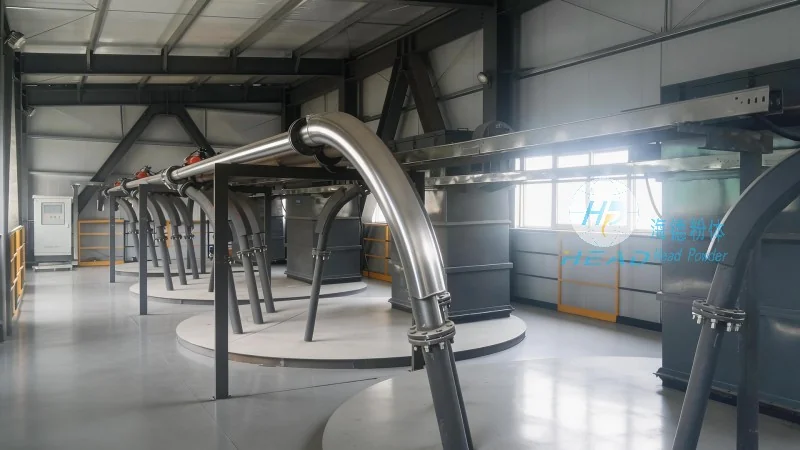
Maintenance and Operational Considerations
To ensure the longevity and optimal performance of the lithium carbonate pneumatic conveying equipment, regular maintenance is essential. This includes checking the condition of the air filter and dust collector, inspecting the rotary airlock valve for wear, and monitoring the pressure and flow rates of the air system. Proper maintenance helps in preventing blockages, which can occur due to the accumulation of fine particles or moisture in the system. Additionally, the system should be operated within the specified parameters to avoid excessive wear on components and to maintain the quality of the conveyed material.
Conclusion
In conclusion, the operation process and working principle of lithium carbonate material pneumatic conveying equipment are designed to provide an efficient, safe, and reliable method for transporting this critical raw material. By leveraging air entrainment and a well-designed system of components, these equipment solutions help industrial facilities maintain high production rates while minimizing operational risks. As the demand for lithium-ion batteries continues to grow, the importance of robust and efficient material handling systems like these will only increase, making them a vital component of modern manufacturing processes.