

Operation Process and Working Principle of Sulfur Powder Material Pneumatic Conveying Equipment
HeadPowder, a leading manufacturer based in Shandong, China, specializes in the design and production of advanced pneumatic conveying systems tailored for handling sulfur powder and other fine powders. This article provides a detailed overview of the operation process and working principles of sulfur powder material pneumatic conveying equipment, highlighting the key components, operational steps, and technical mechanisms that ensure efficient and reliable material transport.
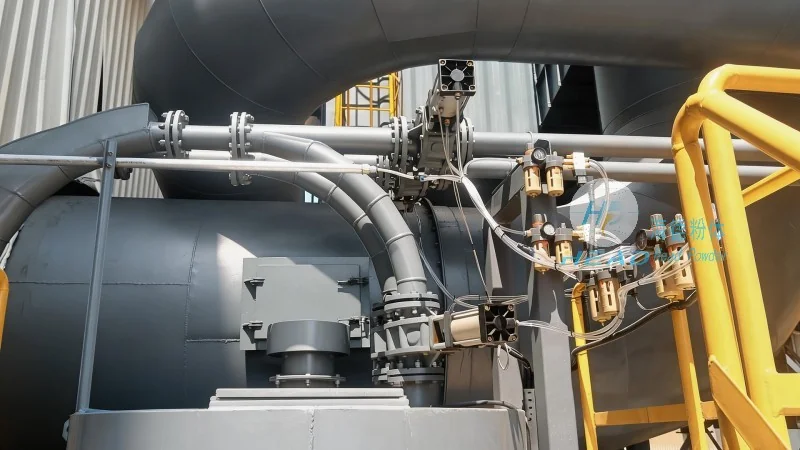
Introduction to Sulfur Powder Pneumatic Conveying Systems
Sulfur powder, due to its fine particle size and potentially abrasive nature, requires specialized equipment to handle safely and efficiently. Pneumatic conveying systems offer a solution by using air or gas as the conveying medium to transport the material from one location to another. These systems are widely used in industries such as chemical processing, fertilizer production, and sulfur handling facilities due to their ability to minimize dust generation, reduce material degradation, and provide a closed-loop transport process.
Key Components of the Pneumatic Conveying System
The sulfur powder pneumatic conveying equipment typically consists of several critical components that work in tandem to achieve effective material transport. These components include the material hopper, feeder, air compressor, conveying line, and receiver. Each component plays a vital role in the overall operation of the system.
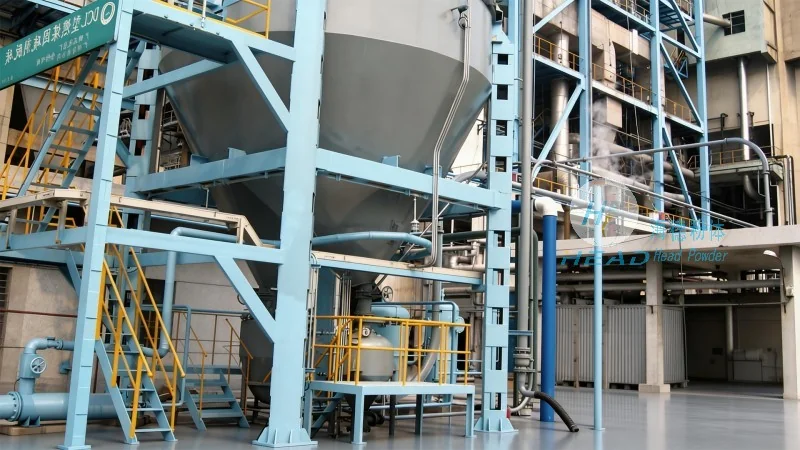
Operation Process of Sulfur Powder Pneumatic Conveying
The operation process of the sulfur powder pneumatic conveying system begins with the loading of the sulfur powder into the material hopper. The hopper is designed to store the bulk material and ensure a consistent feed to the feeder. The feeder, often a rotary valve or a screw feeder, regulates the flow of sulfur powder into the conveying line. Simultaneously, the air compressor generates the necessary air pressure to create a flow of air through the system. The air and powder mixture is then transported through the conveying line to the receiver, where the material is deposited.
Working Principle of Pneumatic Conveying
The working principle of the sulfur powder pneumatic conveying system is based on the principle of fluidization and suspension. When air is introduced into the conveying line at a sufficient velocity, it creates a fluidized bed of sulfur powder particles. This fluidization allows the particles to be suspended in the air stream and transported through the pipeline. The velocity of the air must be maintained above the minimum conveying velocity to prevent particle deposition and ensure smooth transport. The system may use positive pressure (pressure conveying) or negative pressure (vacuum conveying) depending on the application requirements.
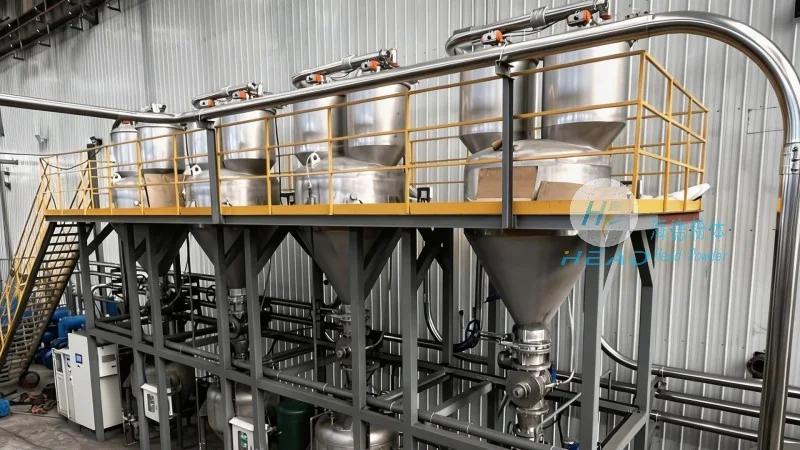
Advantages of Pneumatic Conveying for Sulfur Powder
Utilizing pneumatic conveying for sulfur powder offers several advantages over traditional methods such as bucket elevators or belt conveyors. These advantages include reduced dust contamination, improved material handling safety, lower maintenance costs, and the ability to handle abrasive materials without significant wear on components. The closed-loop system also helps in controlling emissions and maintaining a clean working environment.
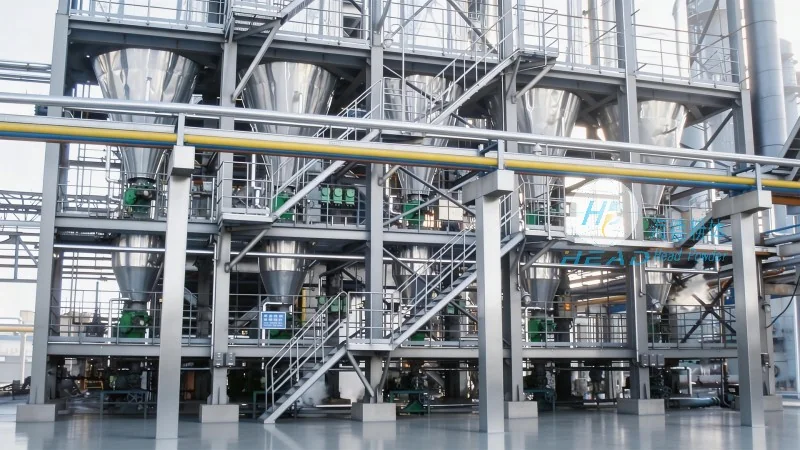
Applications and Considerations
Sulfur powder pneumatic conveying systems are commonly applied in various industrial processes, including sulfur recovery units, fertilizer manufacturing, and chemical processing plants. When selecting a system, factors such as the particle size distribution, moisture content, and the distance to be conveyed must be considered to ensure optimal performance. Proper system sizing and maintenance are crucial to prevent blockages and ensure long-term reliability.
Conclusion
In conclusion, the operation process and working principle of sulfur powder material pneumatic conveying equipment involve a coordinated effort of key components and controlled air flow to achieve efficient material transport. By understanding these principles, industries can leverage the benefits of pneumatic conveying to enhance productivity, improve safety, and maintain a clean operational environment. HeadPowder continues to innovate in this field, providing reliable and efficient solutions for sulfur powder handling needs.