

Operation Process and Working Principle of a Material Mixing and Pneumatic Conveying Line
Material mixing and pneumatic conveying lines are critical components in modern industrial processing, particularly for handling bulk materials efficiently. These systems combine the functions of material mixing and pneumatic transport, offering a seamless solution for industries such as food, pharmaceuticals, chemicals, and minerals. The integration of mixing and conveying capabilities enhances operational efficiency, reduces downtime, and ensures consistent material quality throughout the process.
Key Components of a Pneumatic Conveying System
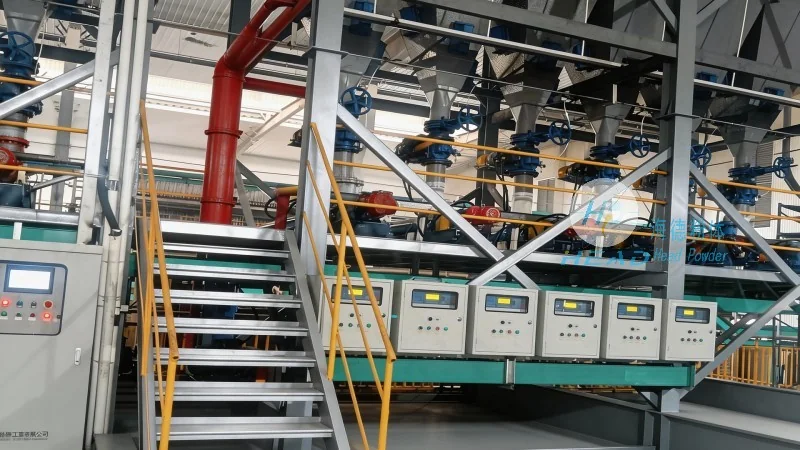
A typical material mixing and pneumatic conveying line consists of several key components that work in tandem to achieve optimal performance. These include the material hopper, which serves as the storage and feeding unit; the mixing chamber, where materials are combined to achieve the desired blend ratio; the pneumatic conveyor, responsible for transporting the mixed material to the next processing stage; and the control system, which monitors and regulates the entire operation. Each component is designed to ensure smooth material flow and precise control over the mixing process.
Operation Process of the Material Mixing and Pneumatic Conveying Line
The operation of a material mixing and pneumatic conveying line follows a systematic sequence to ensure efficient material handling. Initially, bulk materials are fed into the material hopper from a storage silo or bulk container. The materials are then transferred to the mixing chamber, where they are combined according to the specified blend ratio. The mixing process may involve mechanical agitation or air-assisted mixing to achieve uniformity. Once the material is fully mixed, it is conveyed through the pneumatic system using compressed air or other gas sources. The conveying line typically includes a series of ducts, valves, and filters to maintain material integrity and prevent blockages. The entire process is controlled by a programmable logic controller (PLC) or a dedicated control system, which adjusts parameters such as air pressure, flow rate, and mixing speed to meet production requirements.
Working Principle of Pneumatic Conveying Technology
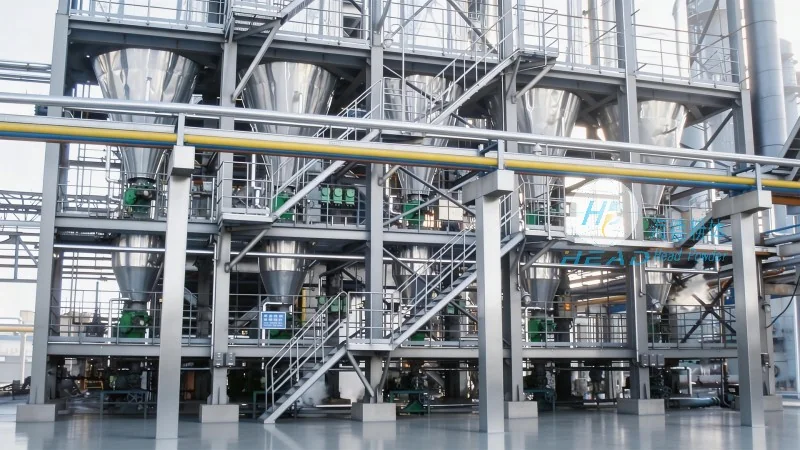
Pneumatic conveying operates on the principle of using gas (usually air) to transport solid materials through a pipeline. The system can be classified into two main types: dilute-phase and dense-phase conveying. In dilute-phase systems, materials are suspended in the gas stream and transported at high velocities, typically 20-30 meters per second. This method is suitable for low to medium material loads and short to medium distances. Dense-phase conveying, on the other hand, involves transporting materials in a slurry-like state at lower velocities (5-10 meters per second) and higher pressure, which is ideal for high-capacity and long-distance transport. The choice of system depends on the material characteristics, such as particle size, density, and moisture content, as well as the required transport distance and throughput.
Advantages of Material Mixing and Pneumatic Conveying Lines
Implementing a material mixing and pneumatic conveying line offers numerous advantages for industrial operations. Firstly, it eliminates the need for mechanical conveyors, reducing maintenance costs and minimizing the risk of material contamination. The pneumatic system also allows for easy integration with other processing equipment, such as mixers, classifiers, and packaging machines. Additionally, the system provides better control over material flow, enabling precise dosing and blending. This leads to improved product quality and consistency, which is crucial in industries where uniformity is essential. Furthermore, the compact design of pneumatic conveying systems saves valuable floor space, making them suitable for facilities with limited area. The energy efficiency of these systems, especially when using variable frequency drives (VFDs) to control air pressure, contributes to lower operational costs and reduced environmental impact.
Applications in Various Industries
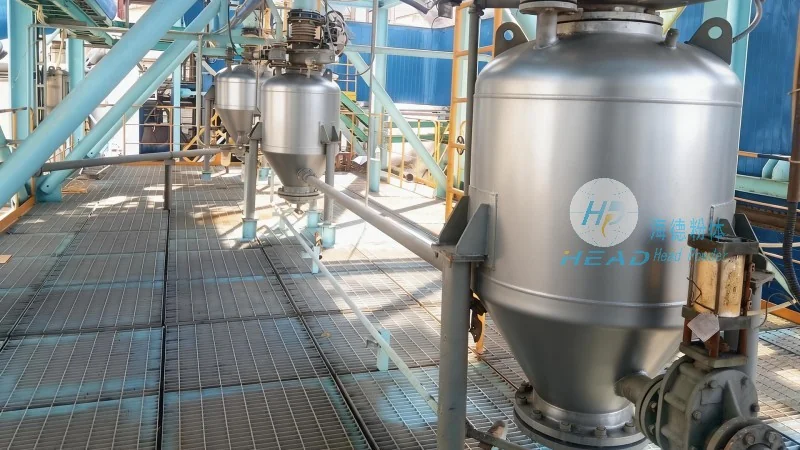
The versatility of material mixing and pneumatic conveying lines makes them applicable across a wide range of industries. In the food industry, these systems are used for handling and mixing ingredients like flour, sugar, and spices, ensuring consistent flavor and texture in final products. The pharmaceutical industry relies on such systems for the safe and hygienic transport of raw materials and active pharmaceutical ingredients (APIs), maintaining compliance with regulatory standards. In the chemical industry, pneumatic conveying lines are employed to transport powders and granules, preventing dust explosions and ensuring safe handling of hazardous materials. The minerals and mining sector also benefits from these systems for processing raw ores and concentrates, improving the efficiency of material handling and reducing labor costs.
Company Profile: Shandong HeadPowder Engineering Co., Ltd.
Shandong HeadPowder Engineering Co., Ltd., operating under the brand name headpowder, is a leading manufacturer and supplier of material handling equipment, including material mixing and pneumatic conveying lines. With a strong focus on innovation and quality, the company has established itself as a trusted partner for industries worldwide. Headpowder's expertise lies in designing customized solutions tailored to specific customer needs, ensuring optimal performance and reliability. The company's manufacturing facilities are located in Shandong, China, where advanced production technologies and strict quality control measures are implemented to meet international standards. Headpowder's commitment to customer satisfaction and technical excellence has earned it a reputation for delivering high-performance equipment that enhances operational efficiency and reduces costs for its clients.