

Operation Process and Working Principle of Small Bag Quantitative Weighing Material Pneumatic Convey
Small bag quantitative weighing pneumatic conveying lines are essential equipment in modern industrial material handling, particularly for applications requiring precise measurement and efficient transport of bulk materials. These systems are designed to handle various dry powders and granular substances, ensuring accurate dosing and reliable material transfer from storage to processing units. The technology integrates advanced pneumatic conveying principles with precise weighing mechanisms, making it a versatile solution for industries such as pharmaceuticals, food processing, chemical manufacturing, and more.
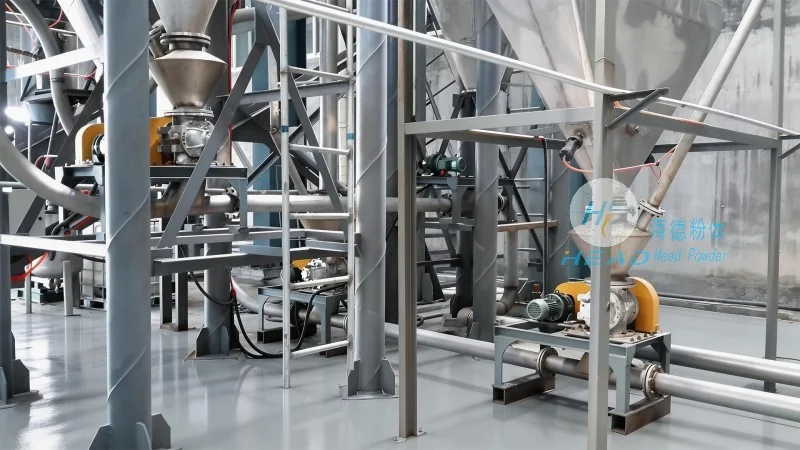
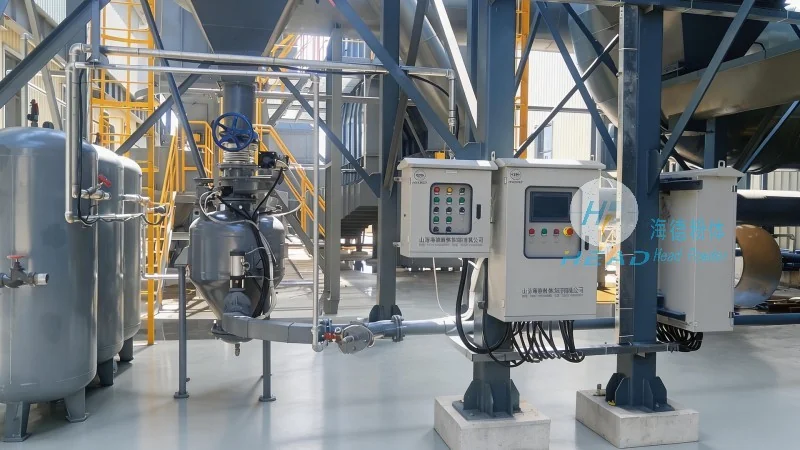
Key Components and Their Roles
The operation of a small bag quantitative weighing pneumatic conveying line relies on several critical components that work in tandem to achieve accurate material handling. The primary components include a hopper for material storage, a feeder system for controlled discharge, a pneumatic conveying system (often using air or gas as the transport medium), and a weighing scale integrated into the system. Each component plays a vital role in maintaining the system's efficiency and accuracy. The hopper ensures a consistent material supply, while the feeder regulates the flow rate to match the weighing requirements. The pneumatic conveying system transports the material from the hopper to the processing or packaging area, and the weighing scale provides real-time measurement of the material quantity, enabling precise control over the output. The hopper is typically made of stainless steel or other corrosion-resistant materials to ensure durability and prevent material contamination. It is designed with a conical bottom to facilitate smooth material discharge and prevent clogging. The feeder system, often a rotary valve or a screw feeder, is equipped with adjustable speed controls to regulate the material flow rate. This adjustment is critical for maintaining the weighing accuracy, as even small variations in flow rate can affect the final measurement. The pneumatic conveying system includes a blower or compressor that generates the necessary air pressure, and a pipeline network that transports the material. The air pressure is typically maintained between 0.5 to 1.5 bar, depending on the material and the system design. The weighing scale is a load cell-based system, which provides high-precision measurements and is capable of handling different material densities and flow rates. The control system, usually a PLC (Programmable Logic Controller), integrates all these components and manages the operation based on the set parameters.
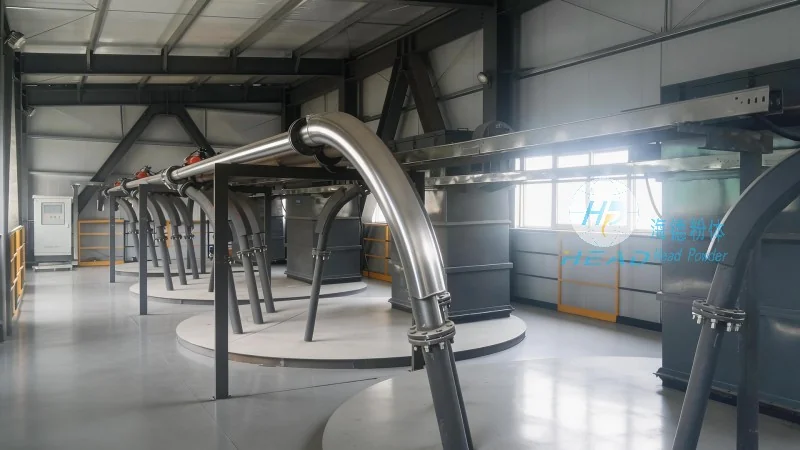
Operation Process: Step-by-Step Overview
The operation of a small bag quantitative weighing pneumatic conveying line typically follows a structured sequence to ensure accurate and efficient material handling. The process begins with the loading of bulk material into the hopper. Once the hopper is filled, the feeder system starts to discharge the material at a controlled rate. Simultaneously, the pneumatic conveying system generates the necessary air pressure to transport the material from the hopper to the weighing scale or the processing unit. The weighing scale continuously measures the mass of the material being conveyed, and the system adjusts the feeder speed or air pressure as needed to maintain the desired output rate. This closed-loop control system ensures that the material is conveyed at the exact quantity required, minimizing waste and optimizing production efficiency. The process concludes when the target quantity is reached, at which point the system stops the feeder and conveys the remaining material to the designated storage or processing location. The entire operation is monitored by the control system, which records the material quantity and provides feedback for process optimization.
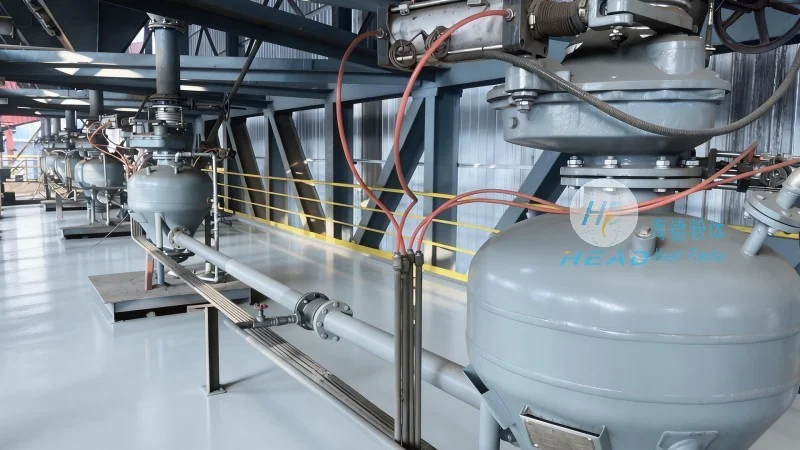
Working Principle: How the System Functions
The working principle of a small bag quantitative weighing pneumatic conveying line is based on the combination of pneumatic transport and precise weighing technology. The system operates by using compressed air or gas to create a flow that moves the material through a pipeline. The material is drawn from the hopper into the conveying line by the air flow, which is generated by a blower or compressor. The air pressure and flow rate are carefully controlled to ensure that the material is transported without excessive pressure or velocity, which could cause degradation or loss of material. The weighing scale is integrated into the conveying line, often at the discharge point, to measure the mass of the material as it passes. The scale sends feedback signals to the control system, which adjusts the feeder speed or air pressure to maintain the desired output. This feedback loop ensures that the system operates within the specified parameters, providing consistent and accurate material transfer. The integration of these components allows the system to handle a wide range of materials, from fine powders to coarse granules, with high precision and reliability. The pneumatic conveying process involves the creation of a low-pressure zone in the pipeline, which draws the material from the hopper and transports it to the weighing scale. The air flow is controlled to maintain a stable pressure gradient, ensuring that the material moves smoothly without clogging or blockages. The weighing scale provides real-time data on the material mass, which is used to adjust the feeder speed to achieve the desired output. This dynamic adjustment ensures that the system can handle varying material properties and flow rates without compromising accuracy.