

Operation Process and Working Principle of Fine Powder Material Pneumatic Conveying Lines
For industries dealing with fine powder materials, efficient and reliable material handling is crucial for maintaining production efficiency and product quality. Pneumatic conveying lines, particularly those designed for fine powders, offer a solution that minimizes dust, reduces material loss, and ensures a clean, controlled transfer process. This article delves into the operation process and working principles of fine powder material pneumatic conveying lines, highlighting the key components, operational steps, and the technical advantages that make them indispensable in modern industrial applications.
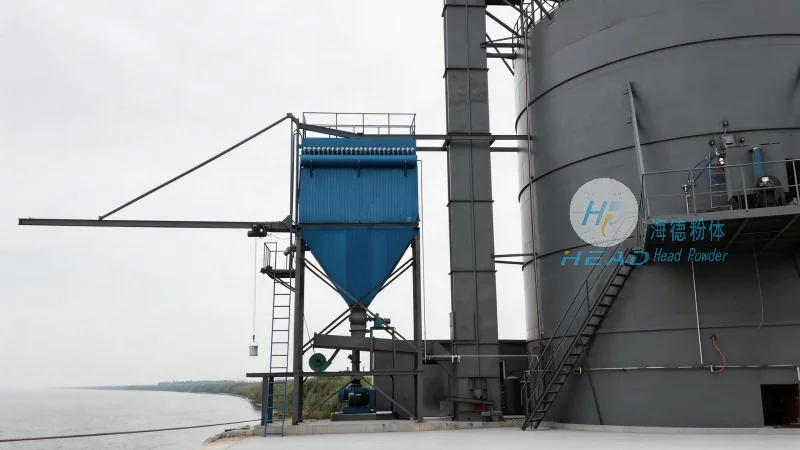
Understanding the Core Components of Fine Powder Pneumatic Conveying Systems
The foundation of any effective fine powder pneumatic conveying line lies in its well-designed components. These systems typically consist of a few essential parts: a material feed hopper, a conveying pipe network, a blower or air compressor, a dust collector, and a discharge outlet. Each component plays a critical role in the overall functionality of the system. The feed hopper is responsible for storing and feeding the fine powder material into the system, ensuring a consistent and controlled flow. The conveying pipe network, often made of stainless steel or other corrosion-resistant materials, transports the material from the feed point to the discharge point. The blower or air compressor generates the necessary air pressure to move the material through the pipes. The dust collector is integrated to capture any airborne particles, ensuring compliance with environmental regulations and maintaining a clean working environment. Finally, the discharge outlet allows the material to be released at the desired location, completing the transfer process.
The Step-by-Step Operation Process of Fine Powder Pneumatic Conveying Lines
The operation of a fine powder pneumatic conveying line follows a systematic sequence of steps, each designed to ensure optimal performance and material handling. The process begins with the loading of the fine powder material into the feed hopper. The material is then fed into the conveying pipe network under the pressure generated by the blower. As the air flows through the pipes, it entrains the fine powder particles, creating a slurry-like mixture that moves through the system. The material travels from the feed point to the discharge point, with the air pressure maintaining the flow and preventing blockages. At the discharge end, the material is separated from the air, often through a cyclone separator or a filter, and collected in a receiving container. The air, now free of particles, is either recirculated back into the system or vented to the atmosphere, depending on the system design. This step-by-step process ensures a continuous and efficient transfer of fine powder materials, minimizing downtime and maximizing productivity.
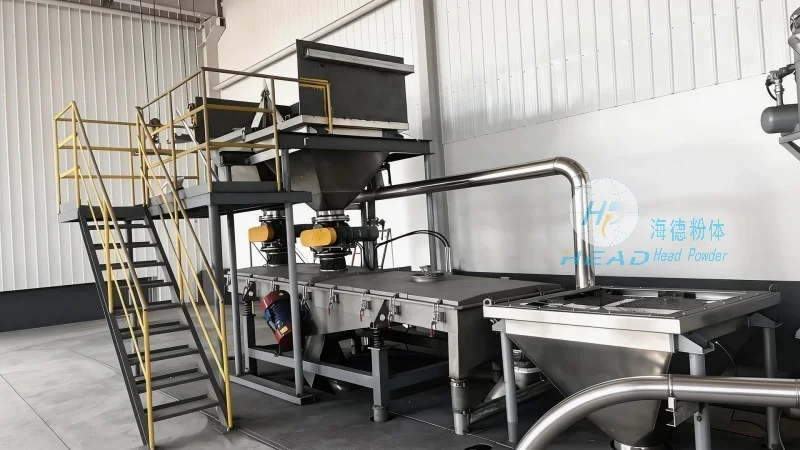
Working Principles Behind Fine Powder Pneumatic Conveying
The working principle of fine powder pneumatic conveying lines is based on the fundamental concept of air movement and particle entrainment. When air is forced through the conveying pipes at a sufficient velocity, it creates a pressure differential that allows the fine powder particles to be suspended and transported. The key to efficient conveying is achieving the right air velocity and pressure. If the air velocity is too low, the material may settle and cause blockages. Conversely, if the velocity is too high, it can lead to excessive wear on the pipes and equipment, as well as increased energy consumption. The system is designed to maintain an optimal air velocity that balances material transport with energy efficiency. Additionally, the design of the pipe network, including the use of bends, elbows, and expansion joints, is crucial for minimizing pressure losses and ensuring smooth material flow. The integration of a dust collector is also a critical part of the working principle, as it captures any fine particles that may escape the conveying system, preventing contamination and maintaining air quality.
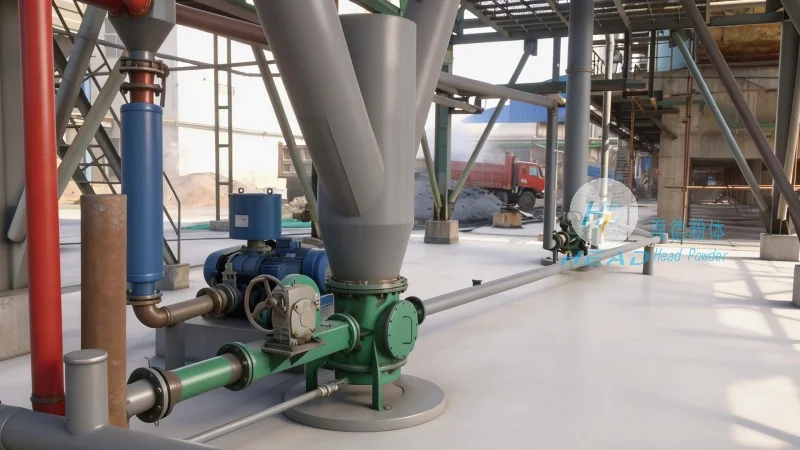
Technical Advantages of Fine Powder Pneumatic Conveying Lines
Fine powder pneumatic conveying lines offer several technical advantages over traditional material handling methods, such as belt conveyors or bucket elevators. One of the primary benefits is the ability to handle fine powders without generating excessive dust, which is a significant advantage in industries where dust control is a regulatory requirement. The enclosed system design minimizes the risk of material loss and contamination, ensuring that the product remains pure and free from foreign particles. Another advantage is the flexibility of the system, which can be easily modified or expanded to accommodate changes in production needs. The system can handle a wide range of fine powders, from dry powders to those with a high moisture content, making it versatile for various industrial applications. Furthermore, the operation of pneumatic conveying lines is relatively simple and requires minimal maintenance, reducing the overall operational costs. The energy efficiency of the system, particularly when using high-efficiency blowers, also contributes to lower operational expenses and a smaller environmental footprint.
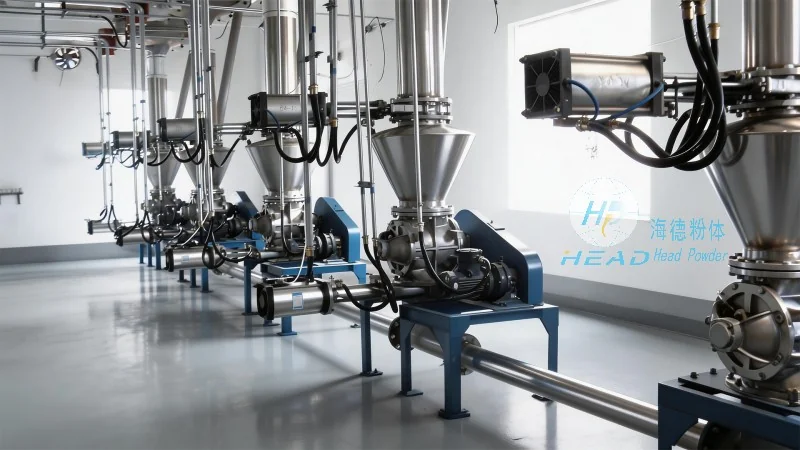
Applications and Industries Benefiting from Fine Powder Pneumatic Conveying
Fine powder pneumatic conveying lines are widely used in various industries that handle fine powders. These include the pharmaceutical industry, where the transfer of active pharmaceutical ingredients (APIs) and excipients requires strict dust control and purity standards. The food and beverage industry also benefits from these systems, as they handle ingredients like flour, sugar, and spices while maintaining hygiene and preventing contamination. The chemical industry uses pneumatic conveying lines to transport various chemicals, including powders and granules, ensuring safe and efficient material handling. Additionally, the cement and construction industries rely on these systems for the transfer of cement powders and other building materials. Each of these industries benefits from the advantages of fine powder pneumatic conveying, including improved product quality, reduced downtime, and enhanced safety.
Conclusion and Company Overview
Fine powder material pneumatic conveying lines are a critical component in modern industrial material handling, offering efficient, reliable, and dust-controlled solutions for the transfer of fine powders. The operation process, which involves feeding, conveying, and discharging, is designed to ensure optimal performance and product quality. The working principles, based on air movement and particle entrainment, are carefully engineered to maintain the integrity of the material and minimize operational issues. The technical advantages of these systems, including dust control, flexibility, and energy efficiency, make them a preferred choice for industries dealing with fine powders. As a leading provider in this field, Shandong HeadPowder Engineering Co., Ltd. specializes in designing and manufacturing high-quality fine powder pneumatic conveying lines tailored to the specific needs of various industries. With a focus on innovation and customer satisfaction, HeadPowder ensures that their systems meet the highest standards of performance and reliability, helping businesses achieve their production goals while maintaining compliance with industry regulations. Based in Shandong, China, HeadPowder leverages its expertise and experience to deliver solutions that enhance operational efficiency and product quality for clients worldwide.