

Operation Process and Working Principle of Pneumatic Conveying Lines for Seasoning Materials
For businesses in the food processing and seasoning industry, efficient material handling is crucial to maintaining production efficiency and product quality. The pneumatic conveying line is a key piece of equipment designed specifically for transporting dry powders and granules, such as spices, seasonings, and other similar materials. This article will explore the operation process and working principle of a pneumatic conveying line for seasoning materials, highlighting how it enhances operational efficiency and reliability in material transport.
Introduction to Pneumatic Conveying Lines for Seasoning Materials
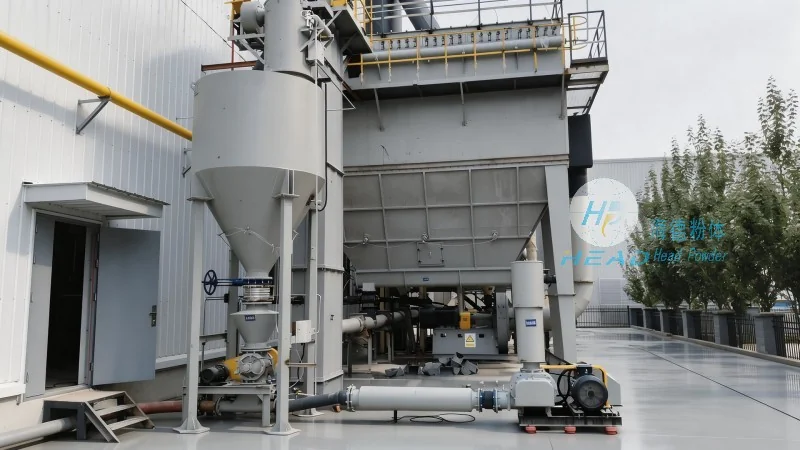
The pneumatic conveying line, developed by Shandong HeadPowder Engineering Co., Ltd., is engineered to handle the unique challenges of transporting delicate and sensitive seasoning materials. Unlike traditional mechanical conveyors, which may cause product degradation or contamination, pneumatic systems use air pressure to move materials through a sealed pipeline system. This method ensures that the quality of the seasoning products is preserved throughout the transport process. The system is designed with components that are easy to clean and maintain, making it suitable for food-grade applications where hygiene is paramount.
Key Components of the Pneumatic Conveying Line
The pneumatic conveying line consists of several essential components that work in tandem to achieve efficient material transport. These components include the hopper, which serves as the material storage and feeding unit; the air compressor, which generates the necessary air pressure to move the materials; the conveying pipeline, which forms the main transport path; the control valve, which regulates the flow of air and material; and the discharge unit, which delivers the material to the final destination. Each component is carefully selected and integrated to ensure optimal performance and minimal downtime.
The Operation Process of the Pneumatic Conveying Line
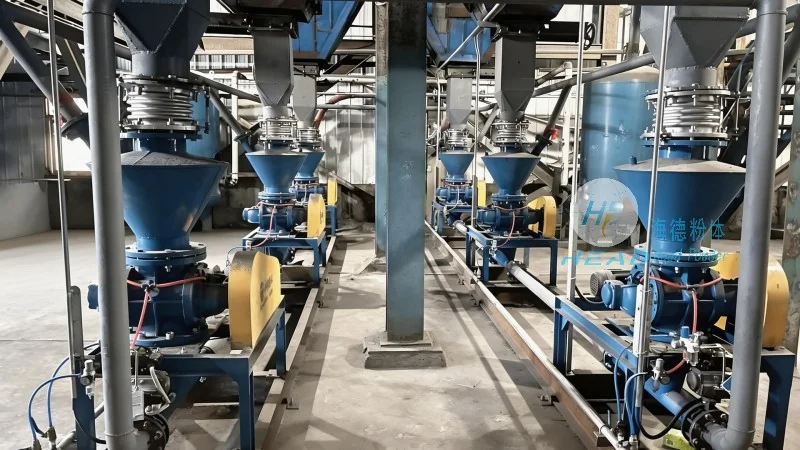
The operation process of the pneumatic conveying line for seasoning materials begins with the loading of the seasoning into the hopper. The material is then fed into the conveying pipeline under the control of the feeding mechanism. Simultaneously, the air compressor generates high-pressure air, which is introduced into the pipeline. The air and material mixture travels through the pipeline, with the air pressure propelling the material forward. The control valve adjusts the air flow rate to maintain a consistent material flow rate, preventing blockages or uneven transport. The material is then discharged from the pipeline at the destination point, such as a storage silo or packaging line. The entire process is automated, with sensors and controls monitoring the system to ensure smooth operation and detect any potential issues.
Working Principle of the Pneumatic Conveying Line
The working principle of the pneumatic conveying line is based on the principle of fluid dynamics and air pressure. The system operates by creating a pressure differential between the inlet and outlet of the pipeline. The air compressor supplies compressed air to the inlet, which creates a high-pressure environment. As the air flows through the pipeline, it entrains the seasoning particles, forming a slurry-like mixture. The air pressure propels this mixture towards the discharge point. The velocity of the air and the size of the particles determine the conveying capacity and efficiency of the system. The design of the pipeline, including the angle and diameter, is optimized to minimize pressure loss and ensure efficient transport. The control system adjusts the air pressure and flow rate to maintain the optimal conveying conditions, ensuring that the material is transported without degradation or loss.
Benefits of Using Pneumatic Conveying Lines for Seasoning Materials
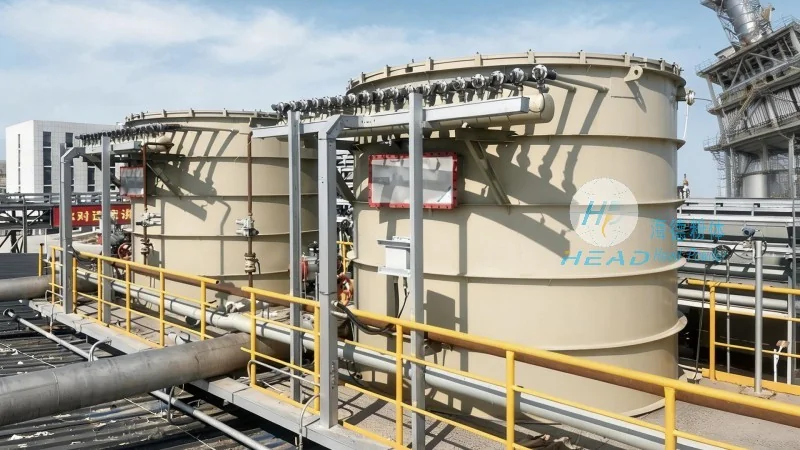
Implementing a pneumatic conveying line for seasoning materials offers several significant benefits. First, it enhances operational efficiency by reducing the time and labor required for material transport. The automated system minimizes manual handling, which reduces the risk of product contamination and improves overall productivity. Second, the sealed pipeline system prevents dust and moisture from entering the material, preserving its quality and extending its shelf life. Third, the system is highly flexible, allowing for easy integration with existing production lines and adjustments to accommodate different material types or quantities. Finally, the low maintenance requirements and long service life of the equipment make it a cost-effective solution for businesses in the seasoning industry.
Conclusion
In conclusion, the pneumatic conveying line for seasoning materials is a highly effective and reliable solution for material transport in the food processing industry. Developed by Shandong HeadPowder Engineering Co., Ltd., this system combines advanced technology with robust design to ensure efficient and hygienic transport of delicate seasoning products. By understanding the operation process and working principle of the system, businesses can make informed decisions about implementing this technology to enhance their operational efficiency and product quality. The benefits of using a pneumatic conveying line extend beyond just material transport, contributing to overall business success in the competitive seasoning market.